ReadWriteThink - Powered by NCTE
  • About
  • Classroom Resources
    • Lesson Plans
    • Teaching Comics
    • Teaching With Primary Resources
    • Calendar
    • Printouts
    • Student Interactives
  • Collections
    • Assessment
    • Authors
    • Booklists
    • Media Literacy
    • Poetry
    • Primary Sources
    • Writing
  • Professional Development
    • Strategy Guides
    • Professional Library
    • Meetings & Events
  • Join NCTE
  • Contact Us
  • About
  • Classroom Resources
    • Lesson Plans
    • Teaching Comics
    • Teaching With Primary Resources
    • Calendar
    • Printouts
    • Student Interactives
  • Collections
    • Assessment
    • Authors
    • Booklists
    • Media Literacy
    • Poetry
    • Primary Sources
    • Writing
  • Professional Development
    • Strategy Guides
    • Professional Library
    • Meetings & Events
  • Join NCTE
  • Contact Us
  • Facebook
  • Twitter
  • Instagram
  • Pinterest
  • YouTube

Breadcrumb

  1. Home

Type

  • (-) Standard Lesson

Grades

  • 1 (33)
  • 3 (28)
  • 4 (29)
  • 5 (28)
  • 6 (28)
  • 7 (30)
  • 8 (30)
  • 9 (14)
  • 10 (14)
  • 11 (13)
  • 12 (13)
  • K (29)
  • (-) 2 (34)

Learning Objectives

  • (-) Vocabulary (34)
  • collaboration (38)
  • Comprehension (47)
  • critical thinking (17)
  • digital literacy (5)
  • Grammar (8)
  • inquiry / research (17)
  • listening (20)
  • literary analysis (11)
  • Media literacy (4)
  • metacognition (3)
  • multicultural awareness (3)
  • multimodal literacy (8)
  • oral communication (15)
  • phonological awareness (25)
  • print awareness (14)
  • reading fluency (16)
  • reading genres (14)
  • Spelling (19)
  • text structure / story structure (19)
  • writing genres (21)
  • writing process (38)

Topics

  • arts
  • careers
  • community
  • ELL
  • Family
  • fiction
  • Mathematics
  • Mobile Learning
  • nonfiction
  • poetry
  • science
  • seasons / holidays
  • social studies / history
Digging Up Details on Worms: Using the Language of Science in an Inquiry Study
Grades
K - 2
|
Lesson Plan
|
Standard Lesson
Digging Up Details on Worms: Using the Language of Science in an Inquiry Study
This lesson, in which students research worms in order to create a classroom habitat, incorporates reading and writing across content areas as well as math and science activities.
Our Community: Creating ABC Books as Assessment
Grades
K - 2
|
Lesson Plan
|
Standard Lesson
Our Community: Creating ABC Books as Assessment
Students create alphabet books, which are used as an integrated assessment with science, health, social studies, and any other content area. This lesson plans looks at the theme of community.
Grades
1 - 2
|
Lesson Plan
|
Standard Lesson
Acrostic Poems: All About Me and My Favorite Things

Students create acrostic poems using their names and the names of things that are important to them.

Writing Acrostic Poems with Thematically Related Texts in the Content Areas
Grades
2 - 5
|
Lesson Plan
|
Standard Lesson
Writing Acrostic Poems with Thematically Related Texts in the Content Areas
Students read thematically related texts, scaffolded from simple to complex, to help them gather necessary concept vocabulary and background knowledge in a content area. They then write acrostic poems to organize and present their learning in a creative way.
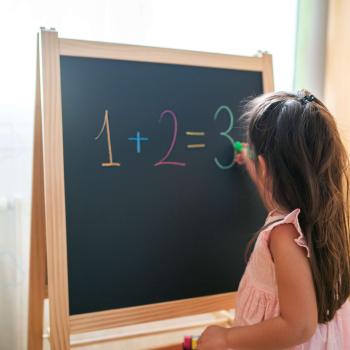
Draw a Math Story: From the Concrete to the Symbolic
Grades
1 - 2
|
Lesson Plan
|
Standard Lesson
Draw a Math Story: From the Concrete to the Symbolic
Students create math stories by first drawing, then writing, and finally using math symbols to show addition or subtraction.

Persuasive Writing: What Can Writing in Family Message Journals Do for Students?
Grades
K - 2
|
Lesson Plan
|
Standard Lesson
Persuasive Writing: What Can Writing in Family Message Journals Do for Students?
This lesson engages children in using writing to their families as a persuasive tool to get what they want and need.
Family Message Journals Teach Many Purposes for Writing
Grades
K - 2
|
Lesson Plan
|
Standard Lesson
Family Message Journals Teach Many Purposes for Writing
This lesson encourages children to explore authentic reasons for writing by writing messages to their family in a family message journal.

Grades
K - 2
|
Lesson Plan
|
Standard Lesson
Using Songwriting to Build Awareness of Beginning Letter Sounds
"Bessie bird lives in a barn" in this lesson in which students create alliterative animal songs to help them learn letter names and consonant sounds and build phonemic awareness.
Grades
K - 2
|
Lesson Plan
|
Standard Lesson
The Big Green Monster Teaches Phonics in Reading and Writing
A big green monster helps students build their reading fluency and word recognition skills through choral reading, literacy center activities, and writing stories.
Word Sorts for Beginning and Struggling Readers
Grades
K - 2
|
Lesson Plan
|
Standard Lesson
Word Sorts for Beginning and Struggling Readers
Students are introduced to short-vowel word families and learn to sort words alone and with a partner using the Word Family Sort activity.
Grades
K - 2
|
Lesson Plan
|
Standard Lesson
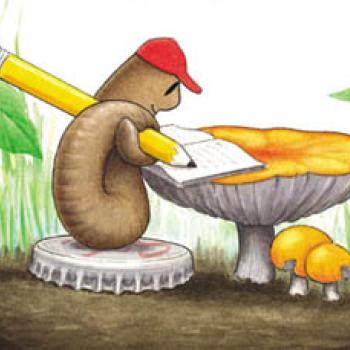
Fact or Fiction: Learning About Worms Using Diary of a Worm
Students often believe that fiction writers make everything up, seldom realizing how research worms its way into entertaining writing. In this lesson, students read Diary of a Worm to find out how fact merges with fiction.
Going on a Shape Hunt: Integrating Math and Literacy
Grades
K - 2
|
Lesson Plan
|
Standard Lesson
Going on a Shape Hunt: Integrating Math and Literacy
Students participate in a scavenger hunt for shapes; reading, writing, and discussion of shapes encourage literacy and math skills.

Using Personal Connections to Build an Understanding of Emotions
Grades
K - 2
|
Lesson Plan
|
Standard Lesson
Using Personal Connections to Build an Understanding of Emotions
What makes you happy? What makes you sad? Connecting words to feelings enriches vocabulary and helps with concept development.

Going Digital: Using e-Book Readers to Enhance the Reading Experience
Grades
2 - 4
|
Lesson Plan
|
Standard Lesson
Going Digital: Using e-Book Readers to Enhance the Reading Experience
Students use various tools and features of digital readers to develop vocabulary, support comprehension, respond to text, improve fluency, and enhance the reading experience.
Using American Sign Language to Improve Comprehension and Vocabulary
Grades
1 - 3
|
Lesson Plan
|
Standard Lesson
Using American Sign Language to Improve Comprehension and Vocabulary
American Sign Language is combined with the hilarious poetry and pictures of Sam's Sandwich, a lift-the-flap book, to engage all types of learners in acquiring key vocabulary.
Shared Poetry Reading: Teaching Print Concepts, Rhyme, and Vocabulary
Grades
K - 2
|
Lesson Plan
|
Standard Lesson
Shared Poetry Reading: Teaching Print Concepts, Rhyme, and Vocabulary
The rhyme and reason behind this lesson is that students will need to develop important reading skills to increase their reading fluency.
Learning About Word Families with <em>Click, Clack, Moo</em>
Grades
K - 2
|
Lesson Plan
|
Standard Lesson
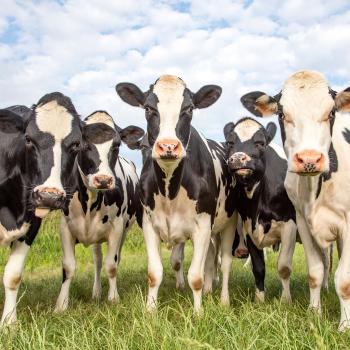
Learning About Word Families with Click, Clack, Moo

Using text from Doreen Cronin's Click, Clack, Moo: Cows That Type as shared readings, first-grade students learn word families and how to decode new words in a word family.

Word Study with <em>Henry and Mudge</em>
Grades
K - 3
|
Lesson Plan
|
Standard Lesson
Word Study with Henry and Mudge

Henry and Mudge is used in this lesson to build students' word recognition through rereading, high-frequency word banks, word studies, and writing.

Combining Read-Alouds With Economics in the Primary Grades
Grades
K - 2
|
Lesson Plan
|
Standard Lesson
Combining Read-Alouds With Economics in the Primary Grades
Students learn that what you read in books can really add up when they analyze literary texts for economic concepts.
Using Greeting Cards to Motivate Students and Enhance Literacy Skills
Grades
K - 2
|
Lesson Plan
|
Standard Lesson
Using Greeting Cards to Motivate Students and Enhance Literacy Skills
Imagination and illustration are the key in this lesson in which students read and create their own greeting cards.

Pagination

  • Page 1
  • Page 2
  • Next page ››
  • Last page Last »

Explore Resources by Grade

  • KindergartenK
  • 1-2
  • 3-4
  • 5-6
  • 7-8
  • 9-10
  • 11-12

RWT-logo

Powered By NCTE

Footer 1 Menu

  • About
  • Classroom Resources
  • Professional Development
  • Collections
  • Contact Us

Footer 2 Menu

  • National Council of Teachers of English
  • Contribute to RWT
  • FAQs
  • Join NCTE

Footer 3 Menu

  • Legal Notices
  • Privacy Policy
  • Promotional Materials
  • Site Demonstrations

Want to stay in touch with RWT and NCTE? Sign up here!

  • Facebook
  • Twitter
  • Instagram
  • Pinterest
  • YouTube

© NCTE 2026. All rights reserved