ReadWriteThink - Powered by NCTE
  • About
  • Classroom Resources
    • Lesson Plans
    • Teaching Comics
    • Teaching With Primary Resources
    • Calendar
    • Printouts
    • Student Interactives
  • Collections
    • Assessment
    • Authors
    • Booklists
    • Media Literacy
    • Poetry
    • Primary Sources
    • Writing
  • Professional Development
    • Strategy Guides
    • Professional Library
    • Meetings & Events
  • Join NCTE
  • Contact Us
  • About
  • Classroom Resources
    • Lesson Plans
    • Teaching Comics
    • Teaching With Primary Resources
    • Calendar
    • Printouts
    • Student Interactives
  • Collections
    • Assessment
    • Authors
    • Booklists
    • Media Literacy
    • Poetry
    • Primary Sources
    • Writing
  • Professional Development
    • Strategy Guides
    • Professional Library
    • Meetings & Events
  • Join NCTE
  • Contact Us
  • Facebook
  • Twitter
  • Instagram
  • Pinterest
  • YouTube

Breadcrumb

  1. Home

Type

  • Classroom Resources
  • Professional Development

Grades

  • 1 (40)
  • 2 (41)
  • 3 (110)
  • 5 (152)
  • 6 (175)
  • 7 (193)
  • 8 (197)
  • 9 (193)
  • 10 (189)
  • 11 (187)
  • 12 (187)
  • K (30)
  • (-) 4 (120)

Learning Objectives

  • (-) metacognition (120)
  • collaboration (167)
  • Comprehension (173)
  • critical thinking (221)
  • digital literacy (41)
  • Grammar (16)
  • inquiry / research (130)
  • listening (69)
  • literary analysis (92)
  • Media literacy (53)
  • multicultural awareness (37)
  • multimodal literacy (73)
  • oral communication (72)
  • phonological awareness (11)
  • print awareness (27)
  • reading fluency (30)
  • reading genres (74)
  • Spelling (14)
  • text structure / story structure (99)
  • Vocabulary (68)
  • writing genres (126)
  • writing process (131)

Topics

  • arts
  • careers
  • community
  • drama
  • ELL
  • Family
  • fiction
  • Mathematics
  • Mobile Learning
  • nonfiction
  • poetry
  • science
  • seasons / holidays
  • social action
  • social studies / history
  • Sports
  • STEM
Diarist Samuel Pepys was born.
Grades
3 - 12
|
Calendar Activity
|
Historical Figure & Event
Diarist Samuel Pepys was born.
Students write diary entries and revisit the entries as if it were a hundred years from now. Students then brainstorm and write paragraphs about life in the 21st century.

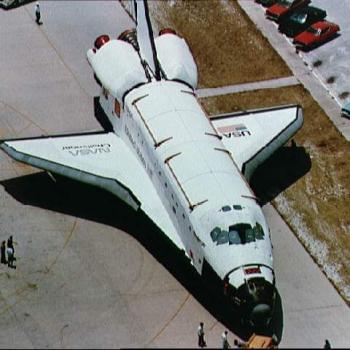
The Space Shuttle <em>Challenger</em> exploded in 1986.
Grades
3 - 12
|
Calendar Activity
|
Historical Figure & Event
The Space Shuttle Challenger exploded in 1986.

Students interview a parent or another adult about the Challenger and hypothesize about differences. Students can also write about the Columbia disaster in 2003.

Gold was discovered in California in 1848.
Grades
3 - 12
|
Calendar Activity
|
Historical Figure & Event
Gold was discovered in California in 1848.
Students read letters from the Gold Rush and follow up by writing an imaginary letter to a family member about their experience using the Letter Generator.
On this day in 1910, animal rights activist Joy Adamson was born.
Grades
K - 6
|
Calendar Activity
|
Historical Figure & Event
On this day in 1910, animal rights activist Joy Adamson was born.
A KWL chart is used to organize information about lions. Persuasive letters are written lobbying for programs and resources to protect these animals.
Grades
1 - 6
|
Calendar Activity
|
Author & Text
The Beverly Cleary Sculpture Garden was dedicated on October 13, 1995.
Students select characters that they believe are the most memorable from Cleary's books and write short persuasive essays to explain their choices.
Barbara Park, author of the Junie B. Jones series, was born on this day.
Grades
1 - 6
|
Calendar Activity
|
Author & Text
Barbara Park, author of the Junie B. Jones series, was born on this day.
Students write their own "Junie B." stories, based on the Junie B. Jones series, after brainstorming issues they've experienced during the school year.
Coretta Scott King was born on this day in 1927.
Grades
3 - 12
|
Calendar Activity
|
Author & Text
Coretta Scott King was born on this day in 1927.
Students do a book report assignment based on a current or past winner of the Coretta Scott King Book Award.
Get ready to go back to school!
Grades
3 - 6
|
Calendar Activity
|
Holiday & School Celebration
Get ready to go back to school!

Students share details about their lives with one another using the interactive Graphic Map and share their memories in small groups or with the whole class.
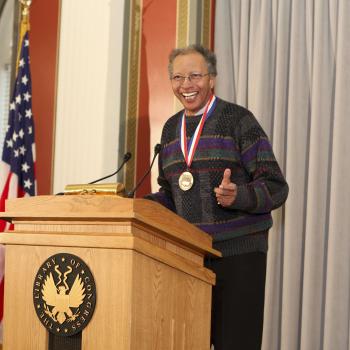
Walter Dean Myers, author of the Printz Award-winning novel <em>Monster</em>, was born in 1937.
Grades
3 - 12
|
Calendar Activity
|
Author & Text
Walter Dean Myers, author of the Printz Award-winning novel Monster, was born in 1937.
Students discuss how the form of a film script affects the story, why the author may have selected this writing style, and write a story using a similar format.
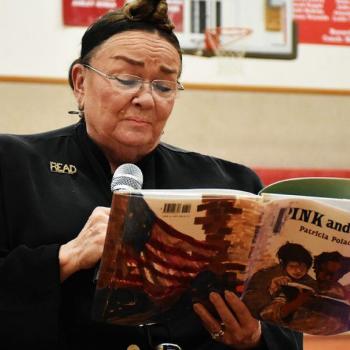
Children's author Patricia Polacco was born in 1944.
Grades
3 - 8
|
Calendar Activity
|
Author & Text
Children's author Patricia Polacco was born in 1944.
Students share family stories of their own by writing original poems and reviewing parts of speech using the Diamante Poems tool.
Today is Chris Van Allsburg's birthday.
Grades
3 - 12
|
Calendar Activity
|
Author & Text
Today is Chris Van Allsburg's birthday.
Students explore varying points of view, one of Van Allsburg's common themes, by rewriting a traditional story.
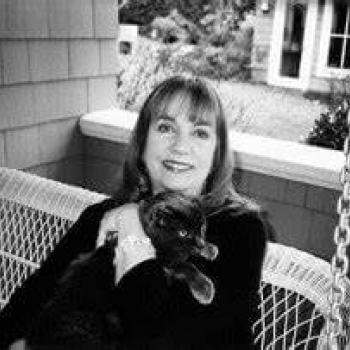
Celebrate Cynthia Rylant's birthday!
Grades
K - 8
|
Calendar Activity
|
Author & Text
Celebrate Cynthia Rylant's birthday!
Students work in small groups or as a class to map the plot of a selected Cynthia Rylant story and create original literary works using the plot diagrams.
Children's publisher John Newbery was born in 1713.
Grades
3 - 8
|
Calendar Activity
|
Author & Text
Children's publisher John Newbery was born in 1713.
Each student chooses a book that is special and writes a short story about why it deserves special mention. Students can plan the pages of their own stories and then make a Stapleless Book or use the ReadWriteThink Printing Press.
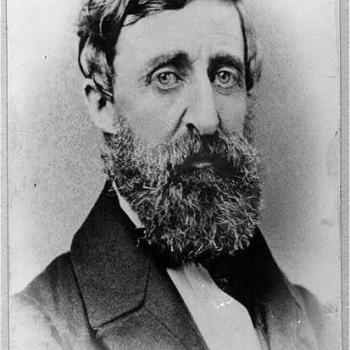
Henry David Thoreau was born in 1817.
Grades
1 - 12
|
Calendar Activity
|
Author & Text
Henry David Thoreau was born in 1817.
Students make mental "snapshots" of a natural setting, then capture the details of their setting by writing and then creating a class booklet of the nature walk.

It's Independence Day!  Or is it?
Grades
3 - 12
|
Calendar Activity
|
Historical Figure & Event
It's Independence Day! Or is it?
Students consider why there are so many different dates associated with the Declaration of Independence and why the nation's birthday is celebrated on July 4.
Annual fence-painting contests take place in Hannibal, Missouri.
Grades
3 - 8
|
Calendar Activity
|
Author & Text
Annual fence-painting contests take place in Hannibal, Missouri.
A scene from one of Twain's works is chosen and students map the story setting using the Story Map. Setting is then discussed as a class.
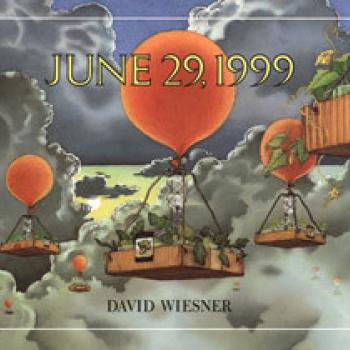
David Wiesner's book <em>June 29, 1999</em> showcases this day.
Grades
3 - 6
|
Calendar Activity
|
Author & Text
David Wiesner's book June 29, 1999 showcases this day.
Students explore the delightful illustrations in Wiesner's book and identify elements that make the emotions in the story obvious to someone reading the book.
Charles Lindbergh began his transatlantic flight in 1927.
Grades
3 - 12
|
Calendar Activity
|
Historical Figure & Event
Charles Lindbergh began his transatlantic flight in 1927.
Students consider what is meant by the phrase "Human Hero," think of people who fit into the category, and read a biography of a selected hero.
Teacher Appreciation Week honors our teachers.
Grades
3 - 12
|
Calendar Activity
|
Holiday & School Celebration
Teacher Appreciation Week honors our teachers.

In celebration of Teacher Appreciation Week, students read a book about a teacher and follow up with an activity related to the book using the Venn Diagram, Letter Generator, Story Map, or Essay Map.
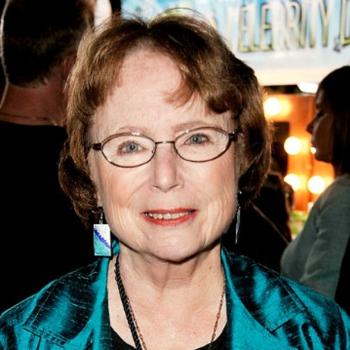
LoisDuncan
Grades
3 - 12
|
Calendar Activity
|
Author & Text
Author Lois Duncan was born on this date in 1934.

Mysteries are shared with students for them to solve and brainstorm the attributes of a good mystery. Small groups then compose short mysteries using the Mystery Cube.

Pagination

  • First page « First
  • Previous page ‹‹
  • Page 1
  • Page 2
  • Page 3
  • Page 4
  • Page 5
  • Page 6
  • Next page ››
  • Last page Last »

Explore Resources by Grade

  • KindergartenK
  • 1-2
  • 3-4
  • 5-6
  • 7-8
  • 9-10
  • 11-12

RWT-logo

Powered By NCTE

Footer 1 Menu

  • About
  • Classroom Resources
  • Professional Development
  • Collections
  • Contact Us

Footer 2 Menu

  • National Council of Teachers of English
  • Contribute to RWT
  • FAQs
  • Join NCTE

Footer 3 Menu

  • Legal Notices
  • Privacy Policy
  • Promotional Materials
  • Site Demonstrations

Want to stay in touch with RWT and NCTE? Sign up here!

  • Facebook
  • Twitter
  • Instagram
  • Pinterest
  • YouTube

© NCTE 2026. All rights reserved