It's not easy surviving fourth grade (or third or fifth)! In this lesson, students brainstorm survival tips for future fourth graders and incorporate those tips into an essay.

How-To Writing: Motivating Students to Write for a Real Purpose

Delicious, Tasty, Yummy: Enriching Writing with Adjectives and Synonyms
Students thoroughly explore identifying synonyms and adjectives before using them to add variety and interest to their own writing.

What's in a Mystery? Exploring and Identifying Mystery Elements
Students identify the characteristics of mystery writing, outline a mystery story using a graphic organizer, write and revise their own mystery story, edit each other's work, and share their mysteries.

Dancing Minds and Shouting Smiles: Teaching Personification Through Poetry
Students learn about personification by reading and discussing poems and then brainstorm nouns and verbs to create personification in their own poems.
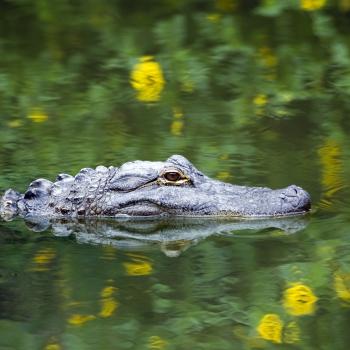
Alliteration All Around
Students learn about alliteration, and then practice using alliteration in acrostic poems, tongue twisters, alphabet books, and number books.
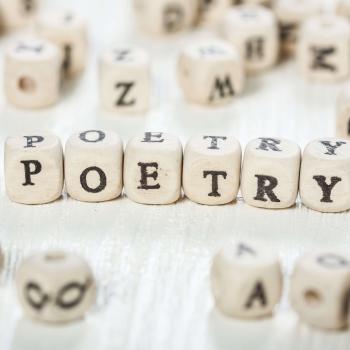
All About Alliteration: Responding to Literature Through a Poetry Link
Studied students stupefy! Students learn about alliteration by listening to an alliterative read-aloud and apply the knowledge they gain to the creation of their own poem and illustration.

Theme Poems: Writing Extraordinary Poems About Ordinary Objects
Students select a familiar object online, build a bank of words related to the object, and write theme poems that are printed and displayed in class.

Reading, Writing, Haiku Hiking! A Class Book of Picturesque Poems
Students learn haiku
write descriptive poems
and share with the class.
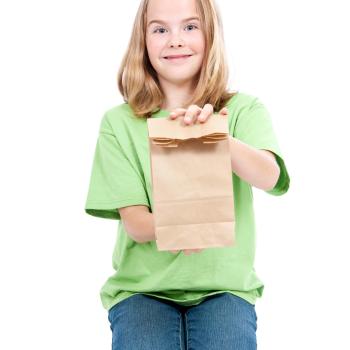
BioBags: Linking Literature and Life
Students create BioBags, a collection of texts that mark special times in their lives. BioBags provide a way for students to share a variety of events and texts.

Get Cooking With Words! Creating a Recipe Using Procedural Writing
Students participate in read-alouds of books that exemplify effective word choice, explore how to choose words to best communicate an idea, and then write explicit instructions for a recipe.

This is My Story: Encouraging Students to Use a Unique Voice
What did the wolf think of Red Riding Hood? Once Upon a Fairy Tale offers his side of the story and more, providing vivid examples of how voice enlivens narrative. After comparing versions of the story, students apply the concept of voice to Fractured Fairy Tales and other writing activities.

Traveling Terrain: Comprehending Nonfiction Text on the Web
Students locate specific information, identify text features of nonfiction text, and write to generalize information on related topics.
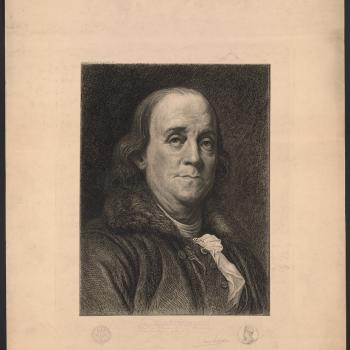
History Comes Alive: Developing Fluency and Comprehension Using Social Studies
Let the power of imagination and inference serve as a "time machine" to bring Benjamin Franklin into the classroom! History and science come to life in a dialogue with Franklin the inventor, developed through lesson activities that incorporate research, imagination, writing, visual arts, and drama.

Once They're Hooked, Reel Them In: Writing Good Endings
It's important to "hook" readers at a story's beginning, but it's equally important to keep them interested. In this lesson, students learn to write effective conclusions to their own stories.
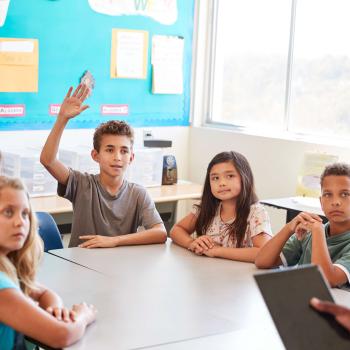
Building a Learning Community: Crafting Rules for the Classroom
Students will learn to mind their ps and qs in this lesson on etiquette and appropriate behavior in the classroom.
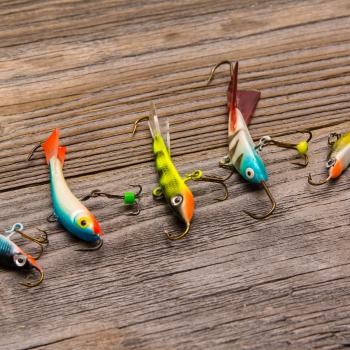
Fishing for Readers: Identifying and Writing Effective Opening "Hooks"
Good writers "hook" their readers in the very first sentences. In this lesson, students learn how to cast an attention-grabbing hook in their writing to effectively draw in readers' attention.

Exploring Cause and Effect Using Expository Texts About Natural Disasters
Students explore the nature and structure of expository texts that focus on cause and effect and apply what they learned using graphic organizers and writing paragraphs to outline cause-and-effect relationships.

Can You Convince Me? Developing Persuasive Writing
Through a classroom game and resource handouts, students learn about the techniques used in persuasive oral arguments and apply them to independent persuasive writing activities.
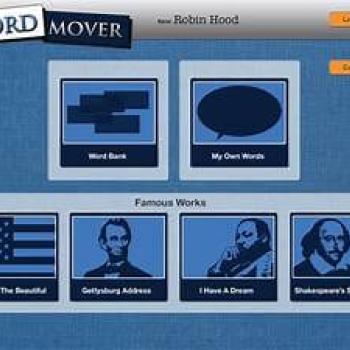
Word Mover
Word Mover allows children and teens to create "found poetry" by choosing from word banks and existing famous works; additionally, users can add new words to create a piece of poetry by moving/manipulating the text.
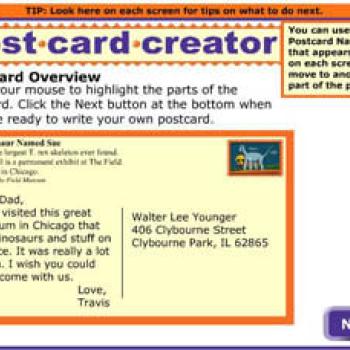
Postcard Creator
The Postcard Creator helps students learn to identify all the typical parts of a postcard, and then generate their own postcard messages by typing information into letter templates. After printing their texts, students can illustrate the front of their postcards in a variety of ways, including drawing, collage, and stickers.