ReadWriteThink - Powered by NCTE
  • About
  • Classroom Resources
    • Lesson Plans
    • Teaching Comics
    • Teaching With Primary Resources
    • Calendar
    • Printouts
    • Student Interactives
  • Collections
    • Assessment
    • Authors
    • Booklists
    • Media Literacy
    • Poetry
    • Primary Sources
    • Writing
  • Professional Development
    • Strategy Guides
    • Professional Library
    • Meetings & Events
  • Join NCTE
  • Contact Us
  • About
  • Classroom Resources
    • Lesson Plans
    • Teaching Comics
    • Teaching With Primary Resources
    • Calendar
    • Printouts
    • Student Interactives
  • Collections
    • Assessment
    • Authors
    • Booklists
    • Media Literacy
    • Poetry
    • Primary Sources
    • Writing
  • Professional Development
    • Strategy Guides
    • Professional Library
    • Meetings & Events
  • Join NCTE
  • Contact Us
  • Facebook
  • Twitter
  • Instagram
  • Pinterest
  • YouTube

Breadcrumb

  1. Home

Type

  • Classroom Resources
  • Professional Development

Grades

  • 1 (87)
  • 2 (91)
  • 3 (161)
  • 4 (167)
  • 6 (177)
  • 7 (179)
  • 8 (183)
  • 9 (191)
  • 10 (188)
  • 11 (187)
  • 12 (185)
  • K (76)
  • (-) 5 (184)

Learning Objectives

  • (-) collaboration (184)
  • Comprehension (187)
  • critical thinking (270)
  • digital literacy (50)
  • Grammar (19)
  • inquiry / research (150)
  • listening (78)
  • literary analysis (101)
  • Media literacy (71)
  • metacognition (152)
  • multicultural awareness (41)
  • multimodal literacy (91)
  • oral communication (85)
  • phonological awareness (10)
  • print awareness (34)
  • reading fluency (30)
  • reading genres (83)
  • Spelling (14)
  • text structure / story structure (104)
  • Vocabulary (73)
  • writing genres (146)
  • writing process (144)

Topics

  • arts
  • careers
  • community
  • drama
  • ELL
  • Family
  • fiction
  • Mathematics
  • Mobile Learning
  • nonfiction
  • poetry
  • science
  • seasons / holidays
  • social action
  • social studies / history
  • Sports
  • STEM
Grades
3 - 5
|
Lesson Plan
|
Standard Lesson
Investigating Junk Mail: Negotiating Critical Literacy at the Mailbox
Students increase their media literacy skills by critically examining and revising junk mail.

Grades
3 - 5
|
Lesson Plan
|
Minilesson
Choosing Clear and Varied Dialogue Tags: A Minilesson
In this minilesson, students explore the use of dialogue tags such as "he said" or "she answered" in picture books and novels, discussing their purpose, form, and style.
Comics in the Classroom as an Introduction to Genre Study
Grades
3 - 5
|
Lesson Plan
|
Standard Lesson
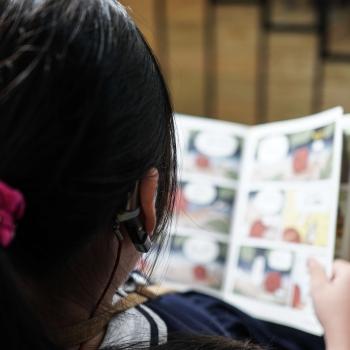
Comics in the Classroom as an Introduction to Genre Study
Multidimensional, challenging, and popular with students, comics provide an excellent way to introduce the concept of genres.
Experiencing Haiku Through Mindfulness, Movement & Music
Grades
5 - 8
|
Lesson Plan
|
Unit
Experiencing Haiku Through Mindfulness, Movement & Music
By being present and mindful on nature walks, students write haiku using vivid sensory language; and explore body movement, music and art as visual and kinesthetic representations of their poetry.
Name Tag Glyphs
Grades
2 - 5
|
Lesson Plan
|
Standard Lesson
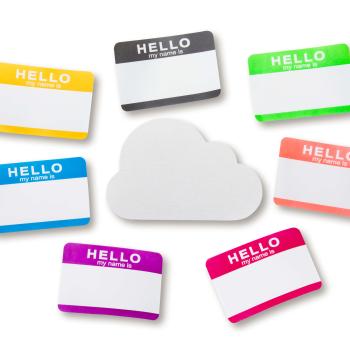
Name Tag Glyphs
In this lesson, students practice a way to communicate without words by using a glyph. They create a name card using information about themselves. Students also interpret glyphs made by others.
Digitally Telling the Story of Greek Figures
Grades
5 - 8
|
Lesson Plan
|
Standard Lesson
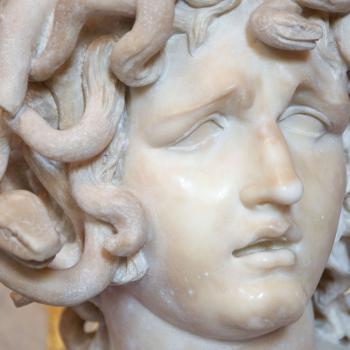
Digitally Telling the Story of Greek Figures
In this lesson students research Greek gods, heroes, and creatures and then share their findings through digital storytelling.
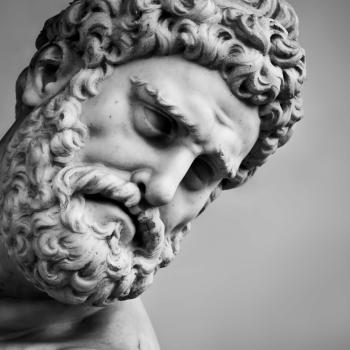
Audience & Purpose: Evaluating Disney's Changes to the Hercules Myth
Grades
5 - 8
|
Lesson Plan
|
Standard Lesson
Audience & Purpose: Evaluating Disney's Changes to the Hercules Myth
What drives changes to classic myths and fables? In this lesson students evaluate the changes Disney made to the myth of "Hercules" in order to achieve their audience and purpose.
Vocabulary Solutions: A Mixture of Science, Conversation, and Writing
Grades
3 - 5
|
Lesson Plan
|
Standard Lesson
Vocabulary Solutions: A Mixture of Science, Conversation, and Writing
In this lesson, students conduct a science experiment and later discuss the events of the lab during shared writing. Students explain the procedure in their own words and then revise to include content specific vocabulary. Finally, students reflect on new words added to their writing using the Trading Card Creator interactive.
Using Collaborative Reasoning to Support Critical Thinking
Grades
3 - 5
|
Lesson Plan
Using Collaborative Reasoning to Support Critical Thinking
Students will participate in Collaborative Reasoning in small groups to discuss and think critically about issues of social justice and diversity by reading current events informational articles.

Analyzing First-Person Narration in Sharon Draper's <i>Out of My Mind</i>
Grades
5 - 8
|
Lesson Plan
|
Standard Lesson
Analyzing First-Person Narration in Sharon Draper's Out of My Mind
Students explore the different facets of complexity in the compelling first-person narrator in Sharon Draper's Out of My Mind.
Exploring Perspectives on Desegregation Using <i>Brown Girl Dreaming</i>
Grades
5 - 9
|
Lesson Plan
|
Standard Lesson
Exploring Perspectives on Desegregation Using Brown Girl Dreaming
Students read and discuss a selection of poems from Jacqueline Woodson's Brown Girl Dreaming to explore varying views on the process of desegregation in America.
Charlotte is Wise, Patient, and Caring: Adjectives and Character Traits
Grades
3 - 5
|
Lesson Plan
|
Standard Lesson
Charlotte is Wise, Patient, and Caring: Adjectives and Character Traits
Students find examples of adjectives in a shared reading. Then students "become" major characters in a book and describe themselves and other characters, using powerful adjectives.

Myth and Truth: Independence Day
Grades
3 - 5
|
Lesson Plan
|
Standard Lesson
Myth and Truth: Independence Day
By exploring myths and truths surrounding Independence Day, students think critically about commonly believed stories regarding the beginning of the Revolutionary War and the Independence Day holiday.

Research Building Blocks: Notes, Quotes, and Fact Fragments
Grades
3 - 5
|
Lesson Plan
|
Minilesson
Research Building Blocks: Notes, Quotes, and Fact Fragments
Students are guided through the process of taking notes while reading factual information, then turning those notes into new sentences and paragraphs written in their own words.
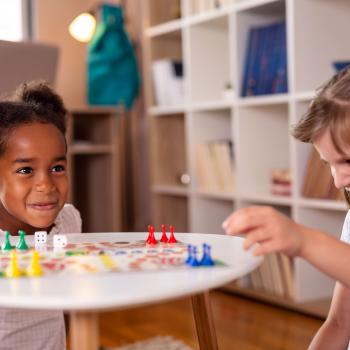
Technical Reading and Writing Using Board Games
Grades
3 - 5
|
Lesson Plan
|
Standard Lesson
Technical Reading and Writing Using Board Games
Students celebrate a novel they have read and get hands-on experience with technical writing by creating a board game based on the novel and writing the instructions for it.

Using Picture Books to Teach Setting Development in Writing Workshop
Grades
3 - 5
|
Lesson Plan
|
Standard Lesson
Using Picture Books to Teach Setting Development in Writing Workshop
Students use a graphic organizer to analyze setting development in picture books. They then apply what they have learned to their own writing.
Letter Poems Deliver: Experimenting with Line Breaks in Poetry Writing
Grades
3 - 5
|
Lesson Plan
|
Standard Lesson
Letter Poems Deliver: Experimenting with Line Breaks in Poetry Writing
Students explore letter poems and experiment with writing letters as poems, using the placement of line breaks to enhance rhythm, sound, meaning, and appearance.
What Makes Poetry? Exploring Line Breaks
Grades
3 - 5
|
Lesson Plan
|
Minilesson
What Makes Poetry? Exploring Line Breaks
Students read various poems and explore why lines are broken where they are and how they affect rhythm, sound, meaning, and appearance in poetry.
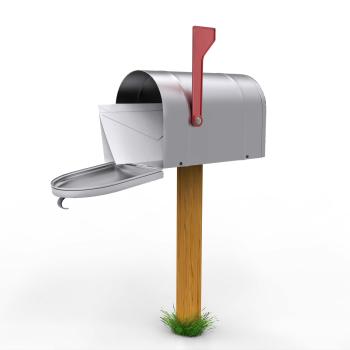
Who's Got Mail? Using Literature to Promote Authentic Letter Writing
Grades
3 - 5
|
Lesson Plan
|
Standard Lesson
Who's Got Mail? Using Literature to Promote Authentic Letter Writing
Students discuss and chart letter elements and write their own letters to adults at school, reinforcing letter-writing skills beyond the classroom lesson.

Book Clubs: Reading for Fun
Grades
3 - 5
|
Lesson Plan
|
Recurring Lesson
Book Clubs: Reading for Fun
This lesson describes how small groups of students can plan meetings to discuss what they've read in a "just for fun" book club they've organized—and that they control.

Pagination

  • First page « First
  • Previous page ‹‹
  • Page 1
  • Page 2
  • Page 3
  • Page 4
  • Page 5
  • Page 6
  • Page 7
  • Page 8
  • Page 9
  • …
  • Next page ››
  • Last page Last »

Explore Resources by Grade

  • KindergartenK
  • 1-2
  • 3-4
  • 5-6
  • 7-8
  • 9-10
  • 11-12

RWT-logo

Powered By NCTE

Footer 1 Menu

  • About
  • Classroom Resources
  • Professional Development
  • Collections
  • Contact Us

Footer 2 Menu

  • National Council of Teachers of English
  • Contribute to RWT
  • FAQs
  • Join NCTE

Footer 3 Menu

  • Legal Notices
  • Privacy Policy
  • Promotional Materials
  • Site Demonstrations

Want to stay in touch with RWT and NCTE? Sign up here!

  • Facebook
  • Twitter
  • Instagram
  • Pinterest
  • YouTube

© NCTE 2026. All rights reserved