Students read and discuss literature about intolerance and diversity. They work with a partner to write two-voice poems that illustrate situations of intolerance at their school and suggest a step toward acceptance.
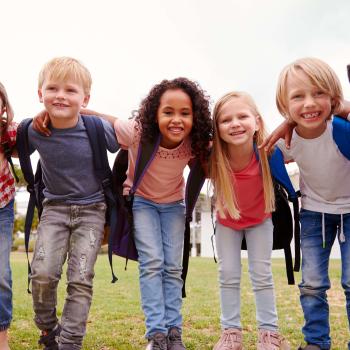
Moving Toward Acceptance Through Picture Books and Two-Voice Texts

Genre Study: A Collaborative Approach
Students explore multiple genres through genre studies. They record evidence of genre characteristics on bookmarks as they read, and finish by giving a book review for their classmates.
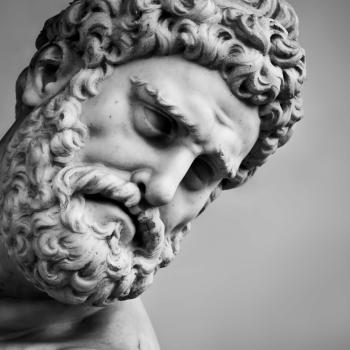
Audience & Purpose: Evaluating Disney's Changes to the Hercules Myth
What drives changes to classic myths and fables? In this lesson students evaluate the changes Disney made to the myth of "Hercules" in order to achieve their audience and purpose.

Boars and Baseball: Making Connections
In this lesson, students will make text-to-self, text-to-text, and text-to-world connections after reading In the Year of the Boar and Jackie Robinson. After sharing and discussing connections, students choose and plan a project that makes a personal connection to the text.

Exploring Perspectives on Desegregation Using Brown Girl Dreaming
Students read and discuss a selection of poems from Jacqueline Woodson's Brown Girl Dreaming to explore varying views on the process of desegregation in America.
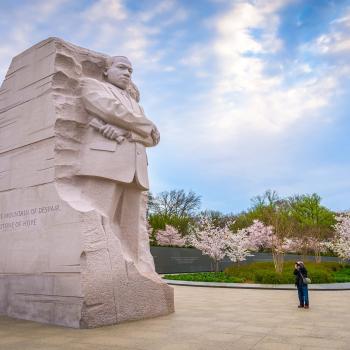
How Big Are Martin's Big Words? Thinking Big about the Future
Inspired by the book Martin's Big Words, students explore information on Dr. King to think about his "big" words, then they write about their own "big" words and dreams.
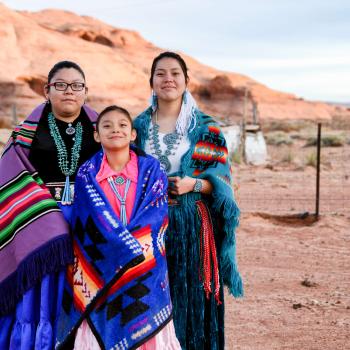
Native Americans Today
This lesson challenges students' views of Native Americans as a vanished people by asking them to compare their prior knowledge with information they gather while reading about contemporary Native Americans.

Fairy Tales from Life
Picture books provide the basis for an analysis of fairy tale elements before students write their own original tales.

Guided Comprehension: Making Connections Using a Double-Entry Journal
Based on the Guided Comprehension Model by Maureen McLaughlin and Mary Beth Allen, this lesson helps students learn three types of connections (text-to-text, text-to-self, and text-to-world) using a double-entry journal.

Website Planning in a Bilingual Classroom
Students complete a family survey and plan a website to share the responses, increasing their understanding and appreciation of their own families and cultures, and their classmates as well.

Cultural Connections and Writing for Change
A little understanding can go a long way. After learning about difficulties that Palestinian youths face, students will write a letter to an official discussing these issues.

Promoting Cultural Values Through Alphabet Books
C is for Culture in this lesson in which students research a culture different from their own and compile an alphabet book that showcases cultural symbols for each letter of the alphabet.

Behind the Scenes With Cinderella
Cinderella without castles, coaches, or ball gowns? Students use versions of Cinderella to explore how the setting of a storytime, place, and cultureaffects the characters and plot.

Using Historical Fiction to Learn About the Civil War
Students in grades 4 and 5 discuss inferential comprehension and visualization as they use a think-aloud questioning strategy to develop a deeper understanding of a historical novel.

Pourquoi Stories: Creating Tales to Tell Why
Where did the stars come from? What makes lightning and thunder? Pourquoi tales are narratives developed by various cultures around the world to explain natural phenomena. Students study three tales and learn about their cultures of origin, then work cooperatively to write and present an original pourquoi tale.

Alaska Native Stories: Using Narrative to Introduce Expository Text
Tradition and technology come together in this lesson in which students learn about Alaskan animals through Native American tales and their own online research.

Exploring World Cultures Through Folk Tales
Journey around the world with students as they read a Japanese, African, or Welsh folk tale, create a visual depiction of the tale, research the tale's culture, and present findings.

My Family Traditions: A Class Book and a Potluck Lunch
After analyzing Family Pictures/Cuadros de Familia by Carmen Lomas Garza, students create a class book with artwork and information about their ancestry, traditions, and recipes, followed by a potluck lunch.

Storytelling in the Social Studies Classroom
People make the past come alive as students research and then share stories about famous Americans who promoted democratic ideals.
Flying to Freedom: Tar Beach and The People Could Fly
Students look to the past and use historical context to compare and contrast two characters from folktales.