Students analyze characterization by creating their own superheroes or super-villains,
complete with related gadgets and settings.
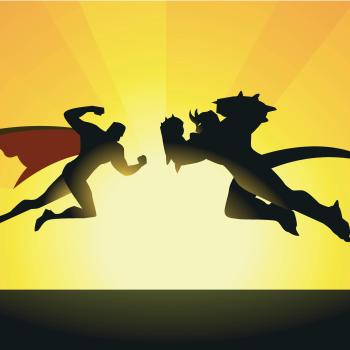
Fantastic Characters: Analyzing and Creating Superheroes and Villains

Songs of Our Lives: Using Lyrics to Write Stories
Students learn about the life and music of John Lennon, write a short story from their lives integrating lyrics from some of their favorite songs, and create a class book of stories.

The Mysteries of Harris Burdick: Using Illustrations to Guide Writing
Students use illustrations from The Mysteries of Harris Burdick as a guide to write mysteries
and then present their stories to the class for students to discuss to which illustration each
story corresponds.

Texting a Response to Lord of the Flies
Students use Lord of the Flies to explore communication styles and techniques by writing text messages from one of the novel's characters to an imagined audience off the island.

Grocery Store Scavenger Hunt: Researching Nutrition to Advertise for Health
After researching nutrition and analyzing food advertisements, students work in cooperative groups to create their own advertisements for food products.
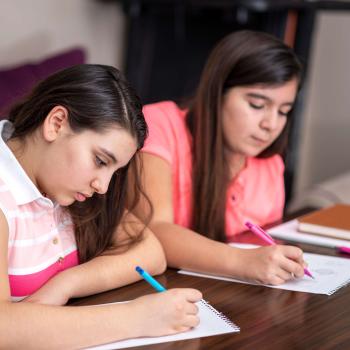
Letters and Learning Genre
Using their prior knowledge of books containing letters, students show their understanding of genre by rewriting a story and reflecting on how traditional stories differs from stories told in letters.

Comparing and Contrasting: Picturing an Organizational Pattern
Using picture books as mentor texts, students learn effective strategies for organizing information that compares and contrasts. Students can then apply appropriate organizational strategies to their own papers.
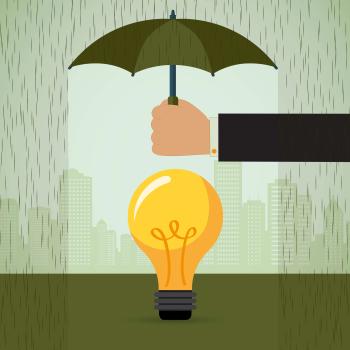
Campaigning for Fair Use: Public Service Announcements on Copyright Awareness
Students explore a range of resources on fair use and copyright then design their own audio public service announcements (PSAs), to be broadcast over the school's public address system.

Plot Structure: A Literary Elements Mini-Lesson
Students learn that the plot structure described by Freytag's Pyramid is actually quite familiar as they diagram the plots of a familiar story, a television show, and a narrative poem.

On a Musical Note: Exploring Reading Strategies by Creating a Soundtrack
Students create a soundtrack for a novel that they have read, as they engage in such traditional reading strategies as predicting, visualizing, and questioning.
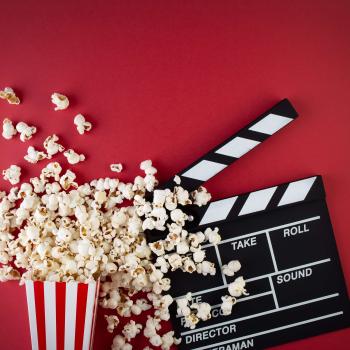
You Know the Movie is Coming—Now What?
In this lesson, students read a literary text with the eye of a director, selecting scenes from the text and putting a cinematic spin on them.

Book Report Alternative: Rewind the Plot!
In this alternative to the traditional book report, students report on their novel choices by rewinding the plot.

Blending the Past with Today's Technology: Using Prezi to Prepare for Historical Fiction
To prepare for literature circles featuring historical novels, students research the decades of the 1930s to the 1990s and share their information using Prezi, a web application for creating multimedia presentations.

Vote for Me! Making Presidential Commercials Using Avatars
After researching political platforms of past presidents through primary sources and other resources, students create commercials for these presidents using Voki, an online web tool that produces speaking avatars.

Book Report Alternative: Getting Acquainted with Farcebook
In this alternative to the traditional book report, students report on their novel choices using Facebook-like pages.
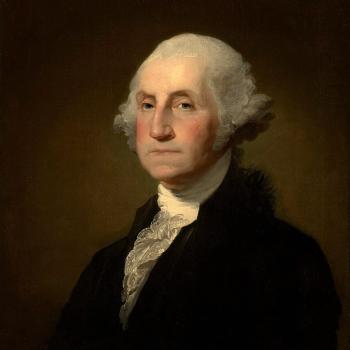
What Did George Post Today? Learning About People of the American Revolution Through Facebook
After researching famous people of the American Revolution, students create Facebook-like PowerPoint presentations to share their knowledge with classmates.
Book Report Alternative: Glog That Book!
In this alternative book report, students identify the elements of fiction in books they have read by creating glogs, interactive multimedia posters, and then share their glogs.
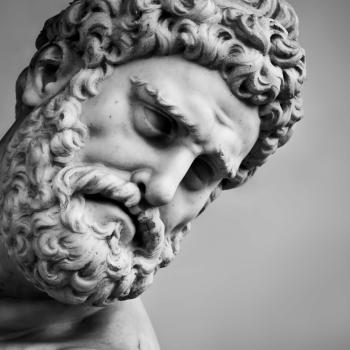
Audience & Purpose: Evaluating Disney's Changes to the Hercules Myth
What drives changes to classic myths and fables? In this lesson students evaluate the changes Disney made to the myth of "Hercules" in order to achieve their audience and purpose.

Developing Citizenship Through Rhetorical Analysis
Students analyze rhetorical strategies in online editorials, building knowledge of strategies and awareness of local and national issues. This lesson teaches students connections between subject, writer, and audience and how rhetorical strategies are used in everyday writing.

Captioning the Civil Rights Movement: Reading the Images, Writing the Words
Teachers guide students to carefully view images from the Civil Rights Movement and write captions that accurately describe the images and/or their probable purposes.