ReadWriteThink - Powered by NCTE
  • About
  • Classroom Resources
    • Lesson Plans
    • Teaching Comics
    • Teaching With Primary Resources
    • Calendar
    • Printouts
    • Student Interactives
  • Collections
    • Assessment
    • Authors
    • Booklists
    • Media Literacy
    • Poetry
    • Primary Sources
    • Writing
  • Professional Development
    • Strategy Guides
    • Professional Library
    • Meetings & Events
  • Join NCTE
  • Contact Us
  • About
  • Classroom Resources
    • Lesson Plans
    • Teaching Comics
    • Teaching With Primary Resources
    • Calendar
    • Printouts
    • Student Interactives
  • Collections
    • Assessment
    • Authors
    • Booklists
    • Media Literacy
    • Poetry
    • Primary Sources
    • Writing
  • Professional Development
    • Strategy Guides
    • Professional Library
    • Meetings & Events
  • Join NCTE
  • Contact Us
  • Facebook
  • Twitter
  • Instagram
  • Pinterest
  • YouTube

Breadcrumb

  1. Home

Type

  • Classroom Resources
  • Professional Development

Grades

  • 1 (89)
  • 2 (98)
  • 3 (172)
  • 4 (173)
  • 5 (187)
  • 6 (222)
  • 9 (214)
  • 10 (212)
  • 11 (211)
  • 12 (210)
  • K (72)
  • (-) 8 (224)

Learning Objectives

  • (-) Comprehension (224)
  • collaboration (183)
  • critical thinking (353)
  • digital literacy (89)
  • Grammar (23)
  • inquiry / research (184)
  • listening (77)
  • literary analysis (146)
  • Media literacy (119)
  • metacognition (197)
  • multicultural awareness (65)
  • multimodal literacy (139)
  • oral communication (107)
  • phonological awareness (2)
  • print awareness (36)
  • reading fluency (16)
  • reading genres (145)
  • Spelling (14)
  • text structure / story structure (109)
  • Vocabulary (81)
  • writing genres (175)
  • writing process (158)

Topics

  • arts
  • careers
  • community
  • drama
  • ELL
  • Family
  • fiction
  • Mathematics
  • Mobile Learning
  • nonfiction
  • poetry
  • science
  • seasons / holidays
  • social action
  • social studies / history
  • Sports
  • STEM
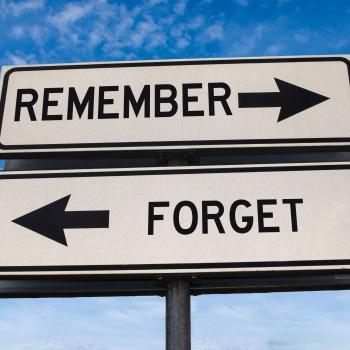
The Mysteries of Memory: Memorization Techniques That Work
Grades
6 - 8
|
Lesson Plan
|
Standard Lesson
The Mysteries of Memory: Memorization Techniques That Work
Students learn techniques that can aid in memorizing information, play online memory games, and participate in a class memory game to develop and share their own memory strategies.
Improve Comprehension: A Word Game Using Root Words and Affixes
Grades
6 - 8
|
Lesson Plan
|
Standard Lesson
Improve Comprehension: A Word Game Using Root Words and Affixes
Students study common root words and affixes, improve their comprehension and spelling, and make a card game in which they form words with a prefix, root word, and suffix.

Crit Lit for Kids: From Critical Consciousness to Service Learning
Grades
6 - 8
|
Lesson Plan
|
Unit
Crit Lit for Kids: From Critical Consciousness to Service Learning
Students take their ideas from the classroom page to the community pavement when they participate in a service-learning project based on their multimedia presentations.
Guided Comprehension in Action: Teaching Summarizing With the Bio-Cube
Grades
6 - 8
|
Lesson Plan
|
Recurring Lesson
Guided Comprehension in Action: Teaching Summarizing With the Bio-Cube

Students learn the ins and outs of writing biographies by researching a contemporary or historical figure and writing a summary.

Using the Check and Line Method to Enhance Reading Comprehension
Grades
6 - 8
|
Lesson Plan
|
Minilesson
Using the Check and Line Method to Enhance Reading Comprehension
Do your students skim assigned text material without even engaging their brains? The Check and Line method encourages students to think about what they are reading and monitor their own comprehension of the information.

Lights, Camera, Action: Interviewing a Book Character
Grades
6 - 8
|
Lesson Plan
|
Unit
Lights, Camera, Action: Interviewing a Book Character
Students get the inside scoop on a story when they create interview questions and answers for characters in the books they read.

Building Reading Comprehension Through Think-Alouds
Grades
6 - 8
|
Lesson Plan
|
Standard Lesson
Building Reading Comprehension Through Think-Alouds
Students learn components of think-alouds and type-of-text interactions through teacher modeling. In the process, students develop the ability to use think-alouds to aid in reading comprehension tasks.

Fighting Injustice by Studying Lessons of the Past
Grades
6 - 8
|
Lesson Plan
|
Unit
Fighting Injustice by Studying Lessons of the Past
Social injustice occurs every day all over the world. In this lesson, students research a few historical examples of social injustice, including the Holocaust, the Trail of Tears, and Japanese internment.

Grades
6 - 8
|
Lesson Plan
|
Unit
The Big, Bad Wolf...Is This a Fact?
Reading is revamped in this lesson in which students use a multimedia approach to study the books by Seymour Simon.
Scaffolding Comprehension Strategies Using Graphic Organizers
Grades
3 - 8
|
Lesson Plan
|
Standard Lesson
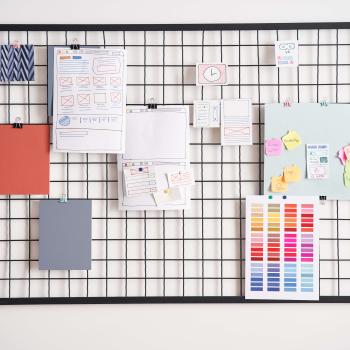
Scaffolding Comprehension Strategies Using Graphic Organizers

Students learn collaborative strategic reading (CSR). During and after reading, students apply four reading strategies—preview, click and clunk, get the gist, and wrap-up—and use graphic organizers for scaffolding.
Compare and Contrast Electronic Text With Traditionally Printed Text
Grades
6 - 8
|
Lesson Plan
|
Standard Lesson
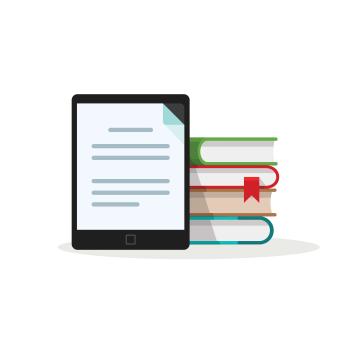
Compare and Contrast Electronic Text With Traditionally Printed Text
Students become familiar with the similarities and differences between electronic and printed text by comparing the textual aids included in a textbook with those of an educational website.

Finding Figurative Language in <em>The Phantom Tollbooth</em>
Grades
6 - 8
|
Lesson Plan
|
Standard Lesson
Finding Figurative Language in The Phantom Tollbooth
Students examine figurative language in The Phantom Tollbooth and create a chart representing the literal and figurative meanings of words and phrases.
In the Poet's Shoes: Performing Poetry and Building Meaning
Grades
6 - 8
|
Lesson Plan
|
Unit
In the Poet's Shoes: Performing Poetry and Building Meaning
Students take poetic license when they interpret William Carlos William's poem "The Red Wheelbarrow" to help create a poem of their own.
Media Literacy: Examining the World of Television Teens
Grades
6 - 8
|
Lesson Plan
|
Standard Lesson
Media Literacy: Examining the World of Television Teens
Pop culture and the classroom collide in this lesson when students go behind the scenes to analyze a television series for characterization to use in an original television show proposal.

Exploring Author's Voice Using Jane Addams Award-Winning Books
Grades
6 - 8
|
Lesson Plan
|
Unit
Exploring Author's Voice Using Jane Addams Award-Winning Books
History has many faces in this lesson in which students read Jane Addams Award-winning books to learn about peace, social justice, world community, and equality.
Grades
6 - 8
|
Lesson Plan
|
Standard Lesson
The Reading Performance: Understanding Fluency Through Oral Interpretation
Students discuss prosody, gain a new appreciation for literature intended for oral performance, and participate in activities that instill the value of technology in shaping their appreciation of literature.
Using a Word Journal to Create a Personal Dictionary
Grades
6 - 8
|
Lesson Plan
|
Recurring Lesson
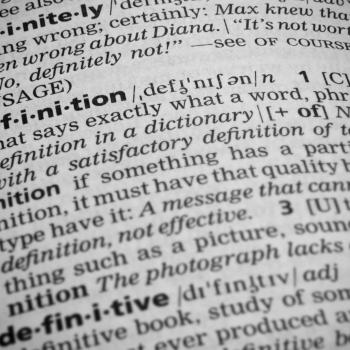
Using a Word Journal to Create a Personal Dictionary
Students will be the definition of vocabulary experts as they use the skills they learn in this lesson to track, define, and ultimately master unfamiliar words.
Grades
3 - 12
|
Student Interactive
|
Organizing & Summarizing
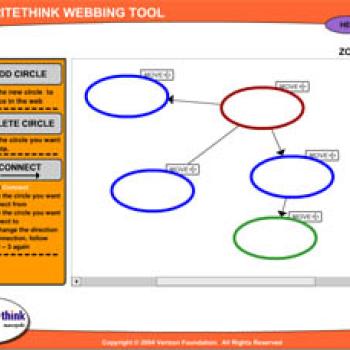
ReadWriteThink Webbing Tool

The Webbing Tool provides a free-form graphic organizer for activities that ask students to pursue hypertextual thinking and writing.

Hero's Journey
Grades
6 - 12
|
Student Interactive
|
Inquiry & Analysis
Hero's Journey

Students can use this tool to learn about the elements of the hero's journey, analyze a text that follows the hero's journey pattern, or start creating a hero story of their own.
Profile Publisher
Grades
6 - 12
|
Student Interactive
|
Writing & Publishing Prose
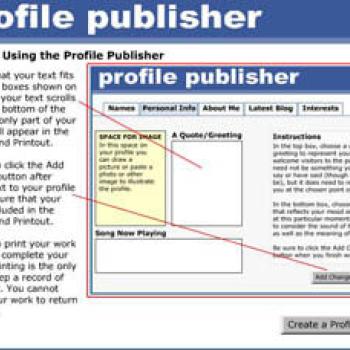
Profile Publisher

Students use the Profile Publisher to draft online social networking profiles, yearbook profiles, and newspaper or magazine profiles for themselves, other real or fictional characters.

Pagination

  • First page « First
  • Previous page ‹‹
  • …
  • Page 4
  • Page 5
  • Page 6
  • Page 7
  • Page 8
  • Page 9
  • Page 10
  • Page 11
  • Page 12
  • Next page ››
  • Last page Last »

Explore Resources by Grade

  • KindergartenK
  • 1-2
  • 3-4
  • 5-6
  • 7-8
  • 9-10
  • 11-12

RWT-logo

Powered By NCTE

Footer 1 Menu

  • About
  • Classroom Resources
  • Professional Development
  • Collections
  • Contact Us

Footer 2 Menu

  • National Council of Teachers of English
  • Contribute to RWT
  • FAQs
  • Join NCTE

Footer 3 Menu

  • Legal Notices
  • Privacy Policy
  • Promotional Materials
  • Site Demonstrations

Want to stay in touch with RWT and NCTE? Sign up here!

  • Facebook
  • Twitter
  • Instagram
  • Pinterest
  • YouTube

© NCTE 2026. All rights reserved