Students compare the sinking of the Edmund Fitzgerald with the song, "The Wreck of the Edmund Fitzgerald," then create their own poetry about a historical event.

Making History Come Alive Through Poetry and Song

Talking Poetry with Blabberize
Students will be motivated to share their poetry through an online tool the features recording and animation.
Blending the Past with Today's Technology: Using Prezi to Prepare for Historical Fiction
To prepare for literature circles featuring historical novels, students research the decades of the 1930s to the 1990s and share their information using Prezi, a web application for creating multimedia presentations.

Vote for Me! Making Presidential Commercials Using Avatars
After researching political platforms of past presidents through primary sources and other resources, students create commercials for these presidents using Voki, an online web tool that produces speaking avatars.

Animate that Haiku!
Following the traditional form of the haiku, students publish their own haikus using Animoto, an online web tool to produce slideshows that blend text and music.

Glogging About Natural Disasters
After researching various natural disasters, students share their findings with each other using glogs, or through poster presentations.

Experiencing Haiku Through Mindfulness, Movement & Music
By being present and mindful on nature walks, students write haiku using vivid sensory language; and explore body movement, music and art as visual and kinesthetic representations of their poetry.
Book Report Alternative: Glog That Book!
In this alternative book report, students identify the elements of fiction in books they have read by creating glogs, interactive multimedia posters, and then share their glogs.

Not Your Usual History Lesson: Writing Historical Markers
Students will develop their summarizing skills while learning about local history. They will learn to consider audience while selecting topics, conducting research and interviews, and writing historical markers for their town.
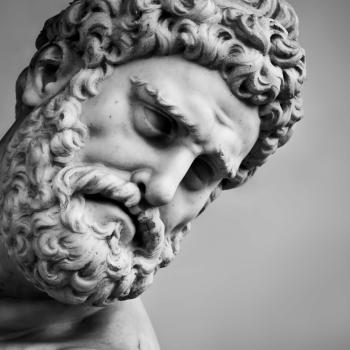
Audience & Purpose: Evaluating Disney's Changes to the Hercules Myth
What drives changes to classic myths and fables? In this lesson students evaluate the changes Disney made to the myth of "Hercules" in order to achieve their audience and purpose.

Sí, Se Puede: Making a Difference, One Letter at a Time
After reading the book ¡Si, Se Puede!/Yes, We Can!: Janitor Strike in L.A., students learn about labor unions, strikes, and organizing for change. Students interview staff members in their school to learn about their daily work life, and write persuasive advocacy letters.
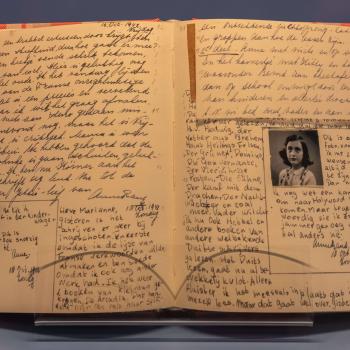
Writing for Audience: The Revision Process in The Diary of Anne Frank
After reading or viewing The Diary of Anne Frank, students will make connections between audience and purpose and revise a journal entry with an outside audience in mind.

Developing Citizenship Through Rhetorical Analysis
Students analyze rhetorical strategies in online editorials, building knowledge of strategies and awareness of local and national issues. This lesson teaches students connections between subject, writer, and audience and how rhetorical strategies are used in everyday writing.

Captioning the Civil Rights Movement: Reading the Images, Writing the Words
Teachers guide students to carefully view images from the Civil Rights Movement and write captions that accurately describe the images and/or their probable purposes.
Understanding Irony
This lesson enables students to define the three types of irony, identify and differentiate among examples of the types of irony, and demonstrate their understanding of each type.

A Picture IS Worth a Thousand Words: Using Infographics to Illustrate How-to Writing
Students write step-by-step instructions on topics of their own choosing. Then using Piktochart, students create their own infographics to illustrate their instructions.

Picture This: Combining Infographics and Argumentative Writing
After researching topics that the students have chosen, students write argumentative essays. Then, using Piktochart, students create their own infographics to illustrate their research.

Picture This: Using Instagram to Report
After taking a field trip that students document using mobile app Instagram, students become new reporters as they use the interactive Printing Press to tell about their experiences.

Aim for the Heart: Using Haiku to Identify Theme
Using haiku, students focus on themes in literature and demonstrate their understanding of an author's message. Writing haiku to accompany an analytical paper hones analytical skills and fosters creative expression.
Summarizing with Haikus
Using the Haiku Poem App or the Haiku Poem Interactive, students summarize papers they have written using the traditional format of a haiku.