ReadWriteThink - Powered by NCTE
  • About
  • Classroom Resources
    • Lesson Plans
    • Teaching Comics
    • Teaching With Primary Resources
    • Calendar
    • Printouts
    • Student Interactives
  • Collections
    • Assessment
    • Authors
    • Booklists
    • Media Literacy
    • Poetry
    • Primary Sources
    • Writing
  • Professional Development
    • Strategy Guides
    • Professional Library
    • Meetings & Events
  • Join NCTE
  • Contact Us
  • About
  • Classroom Resources
    • Lesson Plans
    • Teaching Comics
    • Teaching With Primary Resources
    • Calendar
    • Printouts
    • Student Interactives
  • Collections
    • Assessment
    • Authors
    • Booklists
    • Media Literacy
    • Poetry
    • Primary Sources
    • Writing
  • Professional Development
    • Strategy Guides
    • Professional Library
    • Meetings & Events
  • Join NCTE
  • Contact Us
  • Facebook
  • Twitter
  • Instagram
  • Pinterest
  • YouTube

Breadcrumb

  1. Home

Type

  • (-) Classroom Resources
    • Calendar Activity
    • Lesson Plan
    • Printout
    • Student Interactive
    • Teaching Comics

Grades

  • 1 (220)
  • 2 (228)
  • 3 (417)
  • 4 (431)
  • 5 (483)
  • 6 (512)
  • 7 (521)
  • 8 (526)
  • 10 (525)
  • 11 (514)
  • 12 (511)
  • K (190)
  • (-) 9 (532)

Learning Objectives

  • collaboration (170)
  • Comprehension (156)
  • critical thinking (310)
  • digital literacy (58)
  • Grammar (13)
  • inquiry / research (140)
  • listening (68)
  • literary analysis (179)
  • Media literacy (121)
  • metacognition (145)
  • multicultural awareness (52)
  • multimodal literacy (121)
  • oral communication (86)
  • phonological awareness (3)
  • print awareness (30)
  • reading fluency (7)
  • reading genres (76)
  • Spelling (4)
  • text structure / story structure (75)
  • Vocabulary (39)
  • writing genres (166)
  • writing process (145)

Topics

  • arts
  • careers
  • community
  • drama
  • ELL
  • Family
  • fiction
  • Mathematics
  • Mobile Learning
  • nonfiction
  • poetry
  • science
  • seasons / holidays
  • social action
  • social studies / history
  • Sports
  • STEM
Grades
9 - 12
|
Lesson Plan
|
Unit
Giving Voice to Students Through "This I Believe" Podcasts
Students write and record their own essays for a class blog by first completing a series of activities designed to get them thinking and writing about their experiences.

Grades
9 - 12
|
Lesson Plan
|
Unit
That's Not Fair! Examining Civil Liberties With the U.S. Supreme Court
Students have the right to have fun in this lesson in which they create a PowerPoint presentation about civil rights and the Supreme Court.

Seuss and Silverstein: Posing Questions, Presenting Points
Grades
9 - 12
|
Lesson Plan
|
Standard Lesson
Seuss and Silverstein: Posing Questions, Presenting Points

Students will enjoy this blast from the past as they read the works of Dr. Seuss and Shel Silverstein to analyze the way social issues are addressed in selected works.

The Peace Journey: Using Process Drama in the Classroom
Grades
9 - 12
|
Lesson Plan
|
Standard Lesson
The Peace Journey: Using Process Drama in the Classroom

What does peace mean to you? In this lesson, students attempt to answer this question as they write and perform a short skit that reflects their ideas of peace.

Grades
9 - 12
|
Lesson Plan
|
Unit
I've Got the Literacy Blues
Students will be singing the blues in this lesson in which they identify themes from "The Gift of the Magi" and write and present blues poetry based on those themes.

Grades
9 - 12
|
Lesson Plan
|
Standard Lesson
Exploring Disability Using Multimedia and the B-D-A Reading Strategy
History takes on new dimensions in this interactive multimedia lesson that emphasizes the B-D-A approach to research as students investigate the experiences of people with disabilities since the early 1800s.
Grades
9
|
Lesson Plan
|
Standard Lesson
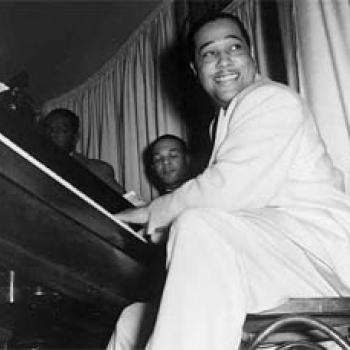
A Harlem Renaissance Retrospective: Connecting Art, Music, Dance, and Poetry

Students research, evaluate, and synthesize information about the Harlem Renaissance from varied resources, create an exhibit, and highlight connections across disciplines (i.e., art, music, and poetry) using a Venn diagram.
Grades
9 - 12
|
Lesson Plan
|
Standard Lesson
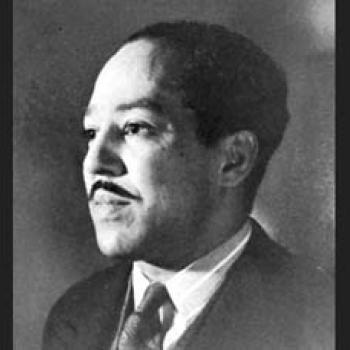
Discovering a Passion for Poetry With Langston Hughes
Through a study of Langston Hughes' poetry, students connect his writing to his place in history.
Grades
9 - 12
|
Lesson Plan
|
Minilesson
Manipulating Sentences to Reinforce Grammar Skills
Students manipulate sentences from books or magazines to examine changes in meaning and parts of speech.
Exploring Cross-Age Tutoring Activities With Lewis and Clark
Grades
9 - 12
|
Lesson Plan
|
Standard Lesson
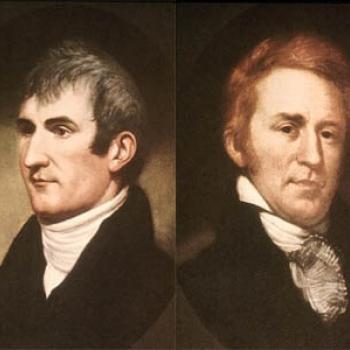
Exploring Cross-Age Tutoring Activities With Lewis and Clark
Interaction and adventure draws high school and elementary school students together as they analyze stories about the Lewis and Clark expedition.
Magazine Redux: An Exercise in Critical Literacy
Grades
9 - 12
|
Lesson Plan
|
Standard Lesson
Magazine Redux: An Exercise in Critical Literacy
Paper and pixels get compared in this lesson in which students compare both printed and online versions of a magazine.

Critical Reading: Two Stories, Two Authors, Same Plot?
Grades
9 - 12
|
Lesson Plan
|
Standard Lesson
Critical Reading: Two Stories, Two Authors, Same Plot?
Students make predictions about the stories and analyze story elements, compare and contrast the different stories, distinguish between fact and opinion, and draw conclusions supported by evidence from their readings.
Analyzing the Purpose and Meaning of Political Cartoons
Grades
9 - 12
|
Lesson Plan
|
Standard Lesson
Analyzing the Purpose and Meaning of Political Cartoons
It is important for students to know how to evaluate messages conveyed by the news media. Exploration of the artistic techniques used in political cartoons leads to critical questioning.
Identifying and Understanding the Fallacies Used in Advertising
Grades
9 - 12
|
Lesson Plan
|
Standard Lesson
Identifying and Understanding the Fallacies Used in Advertising
Students examine the fallacies that surround them every day, deconstruct fallacious images and messages in advertisements, and demonstrate their understanding of the fallacies through multimedia presentations.
Word Maps: Developing Critical and Analytical Thinking About Literary Characters
Grades
9 - 12
|
Lesson Plan
|
Standard Lesson
Word Maps: Developing Critical and Analytical Thinking About Literary Characters
Students read "After Twenty Years" by O. Henry, use a word map to identify characters' qualities or traits, discuss the characters' feelings and actions, and reflect upon these in journals.
A Biography Study: Using Role-Play to Explore Authors' Lives
Grades
9 - 12
|
Lesson Plan
|
Standard Lesson
A Biography Study: Using Role-Play to Explore Authors' Lives
Students read biographies and explore websites of selected American authors and then role-play as the authors.

Behind the Masks: Exploring Culture Through Art and Poetry
Grades
9 - 12
|
Lesson Plan
|
Unit
Behind the Masks: Exploring Culture Through Art and Poetry
Students research mask-making from various cultures, highlight the masks' connections to cultural practices, compose poetry to reveal their understanding, analyze their own culture, and create personal masks and poetry.

A High-Interest Novel Helps Struggling Readers Confront Bullying in Schools
Grades
9 - 12
|
Lesson Plan
|
Unit
A High-Interest Novel Helps Struggling Readers Confront Bullying in Schools
Students read a work of realistic fiction about bullying and gain understanding through writing, Readers Theatre, and discussion.
Fairy Tale Autobiographies
Grades
5 - 9
|
Lesson Plan
|
Standard Lesson
Fairy Tale Autobiographies
Students read and analyze fairy tales from several cultures, identifying common elements. Choosing common situations, students write original fairy tales, using picture books as models and a peer review process.

Reading Movies and TV: Learning the "Language" of Moving-Image Texts
Grades
5 - 12
|
Lesson Plan
|
Minilesson
Reading Movies and TV: Learning the "Language" of Moving-Image Texts
Introduce students to the idea that movies and TV have their own language and grammar, which gives them special ways of telling their stories.

Pagination

  • First page « First
  • Previous page ‹‹
  • …
  • Page 11
  • Page 12
  • Page 13
  • Page 14
  • Page 15
  • Page 16
  • Page 17
  • Page 18
  • Page 19
  • …
  • Next page ››
  • Last page Last »

Explore Resources by Grade

  • KindergartenK
  • 1-2
  • 3-4
  • 5-6
  • 7-8
  • 9-10
  • 11-12

RWT-logo

Powered By NCTE

Footer 1 Menu

  • About
  • Classroom Resources
  • Professional Development
  • Collections
  • Contact Us

Footer 2 Menu

  • National Council of Teachers of English
  • Contribute to RWT
  • FAQs
  • Join NCTE

Footer 3 Menu

  • Legal Notices
  • Privacy Policy
  • Promotional Materials
  • Site Demonstrations

Want to stay in touch with RWT and NCTE? Sign up here!

  • Facebook
  • Twitter
  • Instagram
  • Pinterest
  • YouTube

© NCTE 2026. All rights reserved