Using Beloved as a model of a work with multiple narrative perspectives, students use a visualizing activity and close reading to consider ways in which subjective values shape contradictory representations.
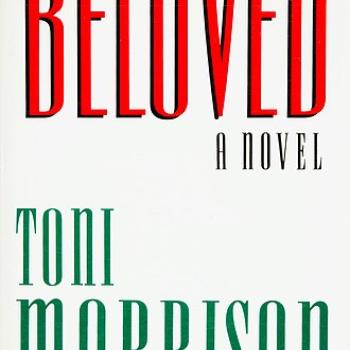
Narrative Structure and Perspectives in Toni Morrison's Beloved
There Are No Small Parts: Minor Characters in David Copperfield
This lesson capitalizes on students' interest in social networking by asking students to build an online profile for a minor character in Charles Dickens' David Copperfield.

Joining the Conversation about Young Adult Literature
Students create a persuasive case calling for the adoption of a particular young adult literature title into their school's language arts curriculum by writing letters or speeches.
Preparing for the Journey: An Introduction to the Hero Myth
Students read a variety of picture books that contain elements of the hero's journey and use an online interactive tool to analyze the stories.
Looking for the Byronic Hero Using Twilight's Edward Cullen
Using the character of Edward Cullen from the Twilight series, this lesson introduces the Byronic hero and asks students to compare the Byronic hero to the traditional hero and villain.

Teaching Student Annotation: Constructing Meaning Through Connections
Students examine text closely and create annotations to make personal and meaningful connections with the work.
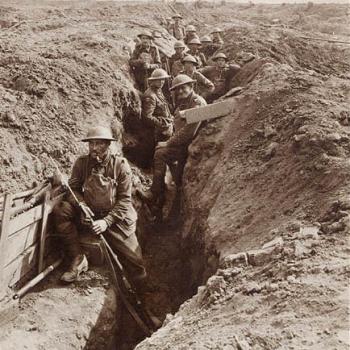
Exploring Irony in the Conclusion of All Quiet on the Western Front
After reading All Quiet on the Western Front, students discuss the novel's ironic ending, then compose alternate titles and endings for the book, and design new book covers.
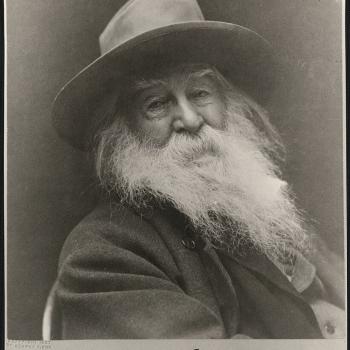
Walt Whitman as a Model Poet: "I Hear My School Singing"
Students first analyze Walt Whitman's "I Hear America Singing," then use Whitman's poem as a model as they create their own list poems.
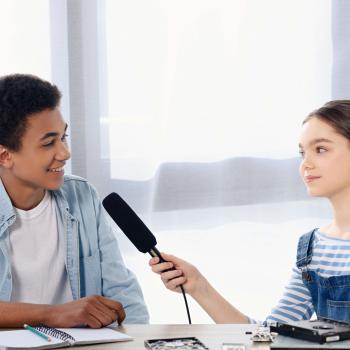
The Feature Story—Fifteen Minutes (and 500 Words) of Fame!
Students learn how to differentiate between a news story and a feature story by writing a profile of a classmate.

Stairway to Heaven: Examining Metaphor in Popular Music
Students explore figurative language by examining the lyrics of popular songs.

Judging a Book by its Cover: The Art and Imagery of The Great Gatsby
Students explore The Great Gatsby's allusion to art and its use of visual imagery and conclude their study by designing their own cover for the novel.

Preparing a Character for a New Job: Character Analysis through Job Placement
Working as career counselors for a literary character, students find a job for the character, prepare a resume, and design questions and answers to prepare them for a job interview.

Analyzing Character in Hamlet through Epitaphs
Students create epitaphs for characters from a tragedy, such as Hamlet.

From Friedan Forward—Considering a Feminist Perspective
Students write letters expressing personal views on issues like equal pay, equal education/employment opportunity, and gender rolesand receive these letters six years later.
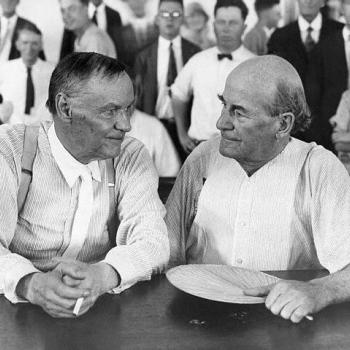
Exploring Audience and Purpose with a Single Issue
Students explore the concepts of audience and purpose by focusing on an issue that divided Americans in 1925, the debate of evolution versus creationism raised by the Scopes Monkey Trial.

Communicating on Local Issues: Exploring Audience in Persuasive Letter Writing
Students will research a local issue, and then write letters to two different audiences, asking readers to take a related action or adopt a specific position on the issue.

A Poem of Possibilities: Thinking about the Future
After reading John Updike's "Ex-Basketball Player," students write poems describing themselves five years in the future. The teacher takes the poems and mails them to students in five years.

Blogtopia: Blogging about Your Own Utopia
Students work together to create their own utopias, using blogs as the primary source of publication.

From Dr. Seuss to Jonathan Swift: Exploring the History behind the Satire
Use Dr. Seuss's The Butter Battle Book as an accessible introduction to satire. Reading, discussing, and researching this picture book paves the way for a deeper understanding of Gulliver's Travels.

Persuading an Audience: Writing Effective Letters to the Editor
Students use persuasive writing and an understanding of the characteristics of letters to the editor to compose effective letters to the editor on topics of interest to them.