Students craft comic scripts using clear, descriptive, and detailed writing that shows (illustrates) and tells (directs). After peers create an artistic interpretation of the script, students revise their original scripts.
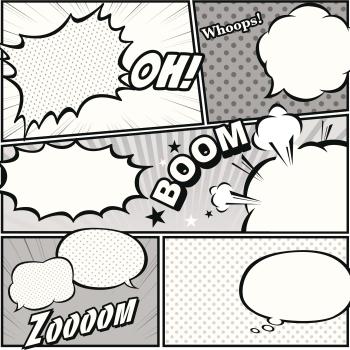
The Comic Book Show and Tell

Defining Literacy in a Digital World
Through listing and observation, students identify the many texts that they read and composeincluding books and magazines, television shows, movies, audio broadcasts, hypertexts, and animations.

Exploring Language and Identity: Amy Tan's "Mother Tongue" and Beyond
Students explore the idea of "different Englishes" by reading Amy Tan's "Mother Tongue" and writing literacy narratives about their own use of different language for different audiences and purposes.

Writing about Writing: An Extended Metaphor Assignment
After discussing the poem "The Writer" by Richard Wilbur, students analyze their own writing habits and create an extended metaphor describing themselves as writers.

Draft Letters: Improving Student Writing through Critical Thinking
Draft letters ask students to think critically about their writing on a specific assignment before submitting their work to a reader. This lesson explains and provides models for the strategy.
Audio Broadcasts and Podcasts: Oral Storytelling and Dramatization
After exploring Orson Welles' 1938 broadcast of H. G. Wells' War of the Worlds, students create their own audio dramatization of a text they have read.

Put That on the List: Collaboratively Writing a Catalog Poem
Using the structure of a list poem, students combine creative expression with poetic techniques and language exploration in order to write group poems about what really matters in their lives.

Myth and Truth: The Gettysburg Address
By exploring myths and truths surrounding Abraham Lincoln's Gettysburg Address, students think critically about commonly believed stories regarding this famous speech from the Civil War era.

So What Do You Think? Writing a Review
Writing a review of an author's work challenges students to develop their critical thinking skills. It provides an opportunity for students to speak their mindsand to enjoy being heard.

Copyright Infringement or Not? The Debate over Downloading Music
This lesson takes advantage of students' interest in music and audio sharing. Students investigate multiple perspectives in the music downloading debate and develop a persuasive argument for a classroom debate.

Naming in a Digital World: Creating a Safe Persona on the Internet
Students explore naming conventions in digital and non-digital settings then choose and explain specific names and profiles to represent themselves online.

Literary Parodies: Exploring a Writer's Style through Imitation
This lesson asks students to analyze the features of a poet's work then create their own poems based on the original model.

Paying Attention to Technology: Reviewing a Technology
Students read and analyze technology reviews to establish the characteristics of the genre. They then compose their own reviews on a technology of their choice.
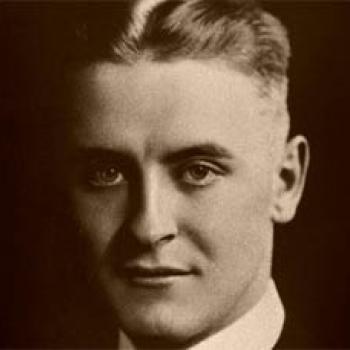
Connotation, Character, and Color Imagery in The Great Gatsby
Students explore the connotations of the colors associated with the characters in F. Scott Fitzgerald's The Great Gatsby.

Building Vietnam War Scavenger Hunts through Web-Based Inquiry
Students research the effects of the Vietnam war on a specific group of people who were involved. They then create Internet scavenger hunts to share with the class.
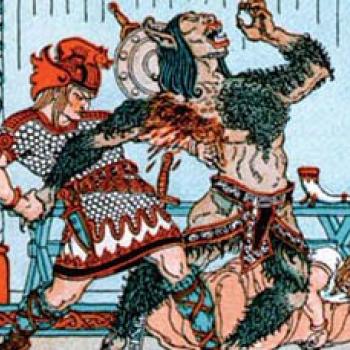
Reading Literature in Translation: Beowulf as a Case Study
Using several translations of the same passage of Beowulf, this lesson introduces students to the idea that translation is not an objective practice, but that it involves "imaginative reconstruction."

Literary Scrapbooks Online: An Electronic Reader-Response Project
Students capture scraps of information from a variety of Web resources and use them to create an electronic scrapbook. Emphasis is placed on evaluating and citing resources.
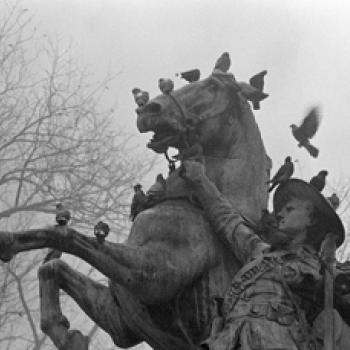
Heroes Are Made of This: Studying the Character of Heroes
Designed to explore the hero and the heroic in literature, this unit asks students to discuss their ideas of heroism and analyze heroes in literature.

The Year I Was Born: An Autobiographical Research Project
Students explore the year they were born through interviews and research, and then weave the details into a newspaper or booklet, written from another person's point of view.

Exploring Literature through Letter-Writing Groups
Students discuss literature through a series of letter exchanges, as a one-time assignment or throughout the year with the students discussing, and making connections among, a number of literary works.