ReadWriteThink - Powered by NCTE
  • About
  • Classroom Resources
    • Lesson Plans
    • Teaching Comics
    • Teaching With Primary Resources
    • Calendar
    • Printouts
    • Student Interactives
  • Collections
    • Assessment
    • Authors
    • Booklists
    • Media Literacy
    • Poetry
    • Primary Sources
    • Writing
  • Professional Development
    • Strategy Guides
    • Professional Library
    • Meetings & Events
  • Join NCTE
  • Contact Us
  • About
  • Classroom Resources
    • Lesson Plans
    • Teaching Comics
    • Teaching With Primary Resources
    • Calendar
    • Printouts
    • Student Interactives
  • Collections
    • Assessment
    • Authors
    • Booklists
    • Media Literacy
    • Poetry
    • Primary Sources
    • Writing
  • Professional Development
    • Strategy Guides
    • Professional Library
    • Meetings & Events
  • Join NCTE
  • Contact Us
  • Facebook
  • Twitter
  • Instagram
  • Pinterest
  • YouTube

Breadcrumb

  1. Home

Type

  • (-) Classroom Resources
    • Calendar Activity
    • Lesson Plan
    • Printout
    • Student Interactive
    • Teaching Comics

Grades

  • 1 (220)
  • 2 (228)
  • 3 (417)
  • 4 (431)
  • 5 (483)
  • 6 (512)
  • 7 (521)
  • 8 (526)
  • 9 (532)
  • 10 (525)
  • 11 (514)
  • K (190)
  • (-) 12 (511)

Learning Objectives

  • collaboration (164)
  • Comprehension (153)
  • critical thinking (298)
  • digital literacy (55)
  • Grammar (13)
  • inquiry / research (134)
  • listening (63)
  • literary analysis (178)
  • Media literacy (116)
  • metacognition (140)
  • multicultural awareness (50)
  • multimodal literacy (109)
  • oral communication (80)
  • phonological awareness (3)
  • print awareness (28)
  • reading fluency (7)
  • reading genres (75)
  • Spelling (4)
  • text structure / story structure (73)
  • Vocabulary (38)
  • writing genres (156)
  • writing process (134)

Topics

  • arts
  • careers
  • community
  • drama
  • ELL
  • Family
  • fiction
  • Mathematics
  • Mobile Learning
  • nonfiction
  • poetry
  • science
  • seasons / holidays
  • social action
  • social studies / history
  • Sports
  • STEM
Compare and Contrast Rubric
Grades
3 - 12
|
Printout
|
Assessment Tool
Compare and Contrast Rubric
Students and teachers can use this rubric when doing writing that compares and contrasts two things, as well as when assessing the writing.
Book Review Template
Grades
K - 12
|
Printout
|
Writing Starter
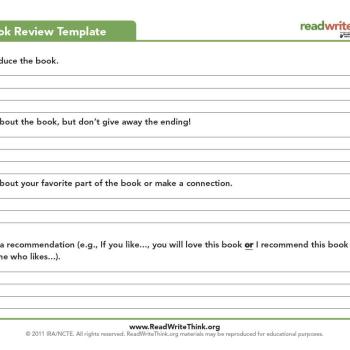
Book Review Template
Students can use this template as a means of communicating about a book that they have read.
Compare and Contrast Chart
Grades
3 - 12
|
Printout
|
Graphic Organizer
Compare and Contrast Chart
This organizer can be used to help students explain similarities and differences between two things or ideas. After this organizer has been completed, it could easily be developed into a classroom discussion or writing topic on the information gathered.
Conflict Map
Grades
3 - 12
|
Printout
|
Graphic Organizer
Conflict Map
Ask students to remember a story with no problem or conflict. That would be difficult to do! With this printout, students learn to examine the critical plot element of conflict.
Venn Diagram, 2 Circles
Grades
K - 12
|
Printout
|
Graphic Organizer
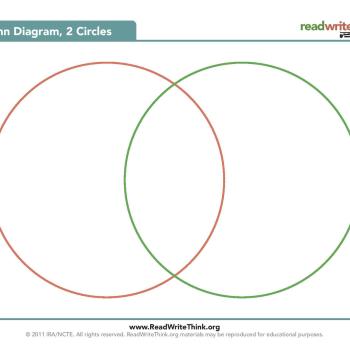
Venn Diagram, 2 Circles
Students use this graphic organizer to describe similarities and differences between two objects.
Essay Map
Grades
3 - 12
|
Printout
|
Graphic Organizer
Essay Map
Use this graphic organizer to develop an outline for an essay that includes an introductory statement, main ideas, supporting details, and a conclusion.
6 - 12

The Major Impact of Minor Characters in the Lives of Immigrant Heroes

Teaching Comics
9 - 12

Picture an American

Teaching Comics
Translating Poetry into Comics
9 - 12

From Verse to Visual: Translating Poetry into Comics

Teaching Comics
6 - 12

Create a Comic Book Vignette of Immigration to the US

Teaching Comics
6 - 12

Write an Illustrated “I Am” Poem in Comic-Book Style

Teaching Comics
9 - 12

Show, Don’t Tell: Implied Meaning and Subtext with Evidence

Teaching Comics
6 - 12

A Different Point of View for a Comic

After reading Great Immigrants, Great Americans: The Comic Book, students will revise a comic from the perspective of another character in the original story, allowing the new narrator to be the main character.

Teaching Comics
6 - 12

Questions All Around: A Collection of Questions for Graphic Novel Stories from Great Immigrants, Great Americans

Teaching Comics
9 - 12

Understanding Immigrants Through Comics: Great Immigrants, Great Americans Unit

Teaching Comics
6 - 12

Comics as a Gateway to Stronger Writing

Teaching Comics
6 - 12

The Value that Immigrants Bring to Our Community: A Socratic Seminar

Teaching Comics
9 - 12

Dear Great Immigrant, Dear Great American Comic Letter

Teaching Comics
6 - 12

Multimodal Text Sets Strategy Guide

Teaching Comics
Tracking the Ways Writers Develop Heroes and Villains
Grades
9 - 12
|
Lesson Plan
|
Unit
Tracking the Ways Writers Develop Heroes and Villains
Everyone knows that Star Wars character Darth Vader is a villain. This lesson asks students to explore how they know such things about heroes and villains they encounter in texts.

Pagination

  • First page « First
  • Previous page ‹‹
  • …
  • Page 7
  • Page 8
  • Page 9
  • Page 10
  • Page 11
  • Page 12
  • Page 13
  • Page 14
  • Page 15
  • …
  • Next page ››
  • Last page Last »

Explore Resources by Grade

  • KindergartenK
  • 1-2
  • 3-4
  • 5-6
  • 7-8
  • 9-10
  • 11-12

RWT-logo

Powered By NCTE

Footer 1 Menu

  • About
  • Classroom Resources
  • Professional Development
  • Collections
  • Contact Us

Footer 2 Menu

  • National Council of Teachers of English
  • Contribute to RWT
  • FAQs
  • Join NCTE

Footer 3 Menu

  • Legal Notices
  • Privacy Policy
  • Promotional Materials
  • Site Demonstrations

Want to stay in touch with RWT and NCTE? Sign up here!

  • Facebook
  • Twitter
  • Instagram
  • Pinterest
  • YouTube

© NCTE 2026. All rights reserved