ReadWriteThink - Powered by NCTE
  • About
  • Classroom Resources
    • Lesson Plans
    • Teaching Comics
    • Teaching With Primary Resources
    • Calendar
    • Printouts
    • Student Interactives
  • Collections
    • Assessment
    • Authors
    • Booklists
    • Media Literacy
    • Poetry
    • Primary Sources
    • Writing
  • Professional Development
    • Strategy Guides
    • Professional Library
    • Meetings & Events
  • Join NCTE
  • Contact Us
  • About
  • Classroom Resources
    • Lesson Plans
    • Teaching Comics
    • Teaching With Primary Resources
    • Calendar
    • Printouts
    • Student Interactives
  • Collections
    • Assessment
    • Authors
    • Booklists
    • Media Literacy
    • Poetry
    • Primary Sources
    • Writing
  • Professional Development
    • Strategy Guides
    • Professional Library
    • Meetings & Events
  • Join NCTE
  • Contact Us
  • Facebook
  • Twitter
  • Instagram
  • Pinterest
  • YouTube

Breadcrumb

  1. Home

Type

  • Classroom Resources
  • Professional Development

Grades

  • 1 (108)
  • 2 (117)
  • 3 (206)
  • 4 (208)
  • 5 (229)
  • 6 (257)
  • 7 (258)
  • 8 (259)
  • 9 (255)
  • 10 (253)
  • 11 (252)
  • 12 (250)
  • K (89)

Learning Objectives

  • (-) Comprehension (508)
  • (-) listening (182)
  • collaboration (458)
  • critical thinking (649)
  • digital literacy (154)
  • Grammar (57)
  • inquiry / research (350)
  • literary analysis (367)
  • Media literacy (205)
  • metacognition (302)
  • multicultural awareness (113)
  • multimodal literacy (260)
  • oral communication (224)
  • phonological awareness (61)
  • print awareness (89)
  • reading fluency (67)
  • reading genres (290)
  • Spelling (51)
  • text structure / story structure (242)
  • Vocabulary (191)
  • writing genres (382)
  • writing process (421)

Topics

  • arts
  • careers
  • community
  • drama
  • ELL
  • Family
  • fiction
  • Mathematics
  • Mobile Learning
  • nonfiction
  • poetry
  • science
  • seasons / holidays
  • social action
  • social studies / history
  • Sports
  • STEM
Grades
K - 2
|
Lesson Plan
|
Recurring Lesson
Learning Centers: From Shared to Independent Practice
Seven blind mice—see how they spend each day of the week in this lesson that uses the book Seven Blind Mice to guide students through shared reading, writing, and listening activities.

Readers Theatre
Grades
3 - 5
|
Lesson Plan
|
Recurring Lesson
Readers Theatre
Students develop scripts, perform, and use their voices to depict characters from texts, giving them the opportunity to develop fluency and further enhance comprehension of what they are reading.

Acquiring New Vocabulary Through Book Discussion Groups
Grades
3 - 5
|
Lesson Plan
|
Recurring Lesson
Acquiring New Vocabulary Through Book Discussion Groups

This lesson employs direct instruction and small-group discussion to help students learn new vocabulary skills while reading Patricia Polacco's Pink and Say.

Using Prediction as a Prereading Strategy
Grades
3 - 5
|
Lesson Plan
|
Standard Lesson
Using Prediction as a Prereading Strategy
Students learn about and apply the prediction strategy while reading a trade book. They use response journals to record questions and responses based on prereading predictions.
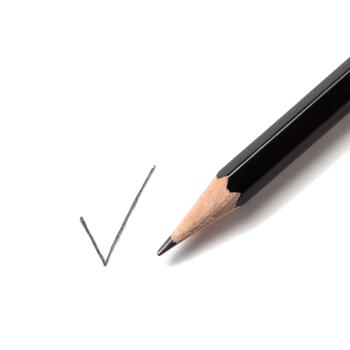
Using the Check and Line Method to Enhance Reading Comprehension
Grades
6 - 8
|
Lesson Plan
|
Minilesson
Using the Check and Line Method to Enhance Reading Comprehension
Do your students skim assigned text material without even engaging their brains? The Check and Line method encourages students to think about what they are reading and monitor their own comprehension of the information.
Cowboys and Castles: Interacting With Fractured Texas Tales
Grades
K - 2
|
Lesson Plan
|
Standard Lesson
Cowboys and Castles: Interacting With Fractured Texas Tales
What do cowboy hats have to do with fairy tales? Two traditional fairy tales and their Texas-based counterparts set the stage for five different ways to respond to text.

Poetry Portfolios: Using Poetry to Teach Reading
Grades
K - 2
|
Lesson Plan
|
Standard Lesson
Poetry Portfolios: Using Poetry to Teach Reading
Teach your students about sentence structure, rhyming words, sight words, vocabulary, and print concepts using a weekly poem.

QARs + Tables = Successful Comprehension of Math Word Problems
Grades
3 - 5
|
Lesson Plan
|
Standard Lesson
QARs + Tables = Successful Comprehension of Math Word Problems
Using census data for an example, students use the question-answer relationship (QAR) strategy to understand and solve word problems that refer to tables and other graphics.

Lights, Camera, Action: Interviewing a Book Character
Grades
6 - 8
|
Lesson Plan
|
Unit
Lights, Camera, Action: Interviewing a Book Character
Students get the inside scoop on a story when they create interview questions and answers for characters in the books they read.

Building Reading Comprehension Through Think-Alouds
Grades
6 - 8
|
Lesson Plan
|
Standard Lesson
Building Reading Comprehension Through Think-Alouds
Students learn components of think-alouds and type-of-text interactions through teacher modeling. In the process, students develop the ability to use think-alouds to aid in reading comprehension tasks.

Using a Predictable Text to Teach High-Frequency Words
Grades
K - 2
|
Lesson Plan
|
Standard Lesson
Using a Predictable Text to Teach High-Frequency Words
After reading an engaging yet predictable text about a child looking for his cat, students use a similar format and high-frequency words to craft tales about their own lost pets.

Fighting Injustice by Studying Lessons of the Past
Grades
6 - 8
|
Lesson Plan
|
Unit
Fighting Injustice by Studying Lessons of the Past
Social injustice occurs every day all over the world. In this lesson, students research a few historical examples of social injustice, including the Holocaust, the Trail of Tears, and Japanese internment.

Building Phonemic Awareness With Phoneme Isolation
Grades
K - 2
|
Lesson Plan
|
Recurring Lesson
Building Phonemic Awareness With Phoneme Isolation
Students improve phonemic awareness through games and chants that help them isolate beginning and ending sounds and connect them with their written symbols (graphemes).
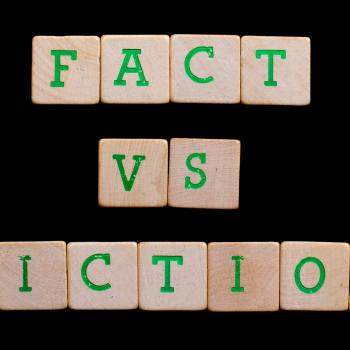
Multimedia Responses to Content Area Topics Using Fact-"Faction"-Fiction
Grades
3 - 5
|
Lesson Plan
|
Standard Lesson
Multimedia Responses to Content Area Topics Using Fact-"Faction"-Fiction

Students climb into the mind of a spider in this lesson that asks them to compose a spider diary using spider facts, fiction, and "faction"—fiction that sounds like fact.

Gingerbread Phonics
Grades
K - 2
|
Lesson Plan
|
Standard Lesson
Gingerbread Phonics
"Run, run, as fast as you can." Students use this refrain from The Gingerbread Man to learn letter-sound correspondence. Students use their new skills to write an online story.
Grades
6 - 8
|
Lesson Plan
|
Unit
The Big, Bad Wolf...Is This a Fact?
Reading is revamped in this lesson in which students use a multimedia approach to study the books by Seymour Simon.
Traveling Terrain: Comprehending Nonfiction Text on the Web
Grades
3 - 5
|
Lesson Plan
|
Standard Lesson
Traveling Terrain: Comprehending Nonfiction Text on the Web
Students locate specific information, identify text features of nonfiction text, and write to generalize information on related topics.
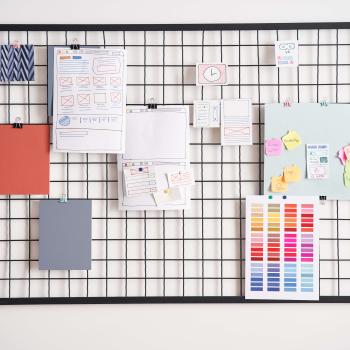
Scaffolding Comprehension Strategies Using Graphic Organizers
Grades
3 - 8
|
Lesson Plan
|
Standard Lesson
Scaffolding Comprehension Strategies Using Graphic Organizers

Students learn collaborative strategic reading (CSR). During and after reading, students apply four reading strategies—preview, click and clunk, get the gist, and wrap-up—and use graphic organizers for scaffolding.
Peace Poems and Picasso Doves: Literature, Art, Technology, and Poetry
Grades
3 - 5
|
Lesson Plan
|
Unit
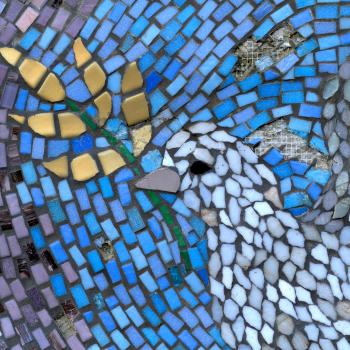
Peace Poems and Picasso Doves: Literature, Art, Technology, and Poetry

Students apply think-aloud strategies to reading and to composition of artwork and poetry. They research symbols of peace as they prewrite, compose, and publish their poetry.

Exploring World Cultures Through Folk Tales
Grades
3 - 5
|
Lesson Plan
|
Standard Lesson
Exploring World Cultures Through Folk Tales
Journey around the world with students as they read a Japanese, African, or Welsh folk tale, create a visual depiction of the tale, research the tale's culture, and present findings.

Pagination

  • First page « First
  • Previous page ‹‹
  • …
  • Page 18
  • Page 19
  • Page 20
  • Page 21
  • Page 22
  • Page 23
  • Page 24
  • Page 25
  • Page 26
  • …
  • Next page ››
  • Last page Last »

Explore Resources by Grade

  • KindergartenK
  • 1-2
  • 3-4
  • 5-6
  • 7-8
  • 9-10
  • 11-12

RWT-logo

Powered By NCTE

Footer 1 Menu

  • About
  • Classroom Resources
  • Professional Development
  • Collections
  • Contact Us

Footer 2 Menu

  • National Council of Teachers of English
  • Contribute to RWT
  • FAQs
  • Join NCTE

Footer 3 Menu

  • Legal Notices
  • Privacy Policy
  • Promotional Materials
  • Site Demonstrations

Want to stay in touch with RWT and NCTE? Sign up here!

  • Facebook
  • Twitter
  • Instagram
  • Pinterest
  • YouTube

© NCTE 2026. All rights reserved