ReadWriteThink - Powered by NCTE
  • About
  • Classroom Resources
    • Lesson Plans
    • Teaching Comics
    • Teaching With Primary Resources
    • Calendar
    • Printouts
    • Student Interactives
  • Collections
    • Assessment
    • Authors
    • Booklists
    • Media Literacy
    • Poetry
    • Primary Sources
    • Writing
  • Professional Development
    • Strategy Guides
    • Professional Library
    • Meetings & Events
  • Join NCTE
  • Contact Us
  • About
  • Classroom Resources
    • Lesson Plans
    • Teaching Comics
    • Teaching With Primary Resources
    • Calendar
    • Printouts
    • Student Interactives
  • Collections
    • Assessment
    • Authors
    • Booklists
    • Media Literacy
    • Poetry
    • Primary Sources
    • Writing
  • Professional Development
    • Strategy Guides
    • Professional Library
    • Meetings & Events
  • Join NCTE
  • Contact Us
  • Facebook
  • Twitter
  • Instagram
  • Pinterest
  • YouTube

Breadcrumb

  1. Home

Type

  • Classroom Resources
  • Professional Development

Grades

  • 1 (105)
  • 2 (114)
  • 3 (209)
  • 4 (212)
  • 5 (233)
  • 6 (313)
  • 7 (314)
  • 8 (314)
  • 9 (313)
  • 10 (311)
  • 11 (307)
  • 12 (306)
  • K (91)

Learning Objectives

  • (-) Comprehension (508)
  • (-) reading genres (290)
  • collaboration (458)
  • critical thinking (649)
  • digital literacy (154)
  • Grammar (57)
  • inquiry / research (350)
  • listening (182)
  • literary analysis (367)
  • Media literacy (205)
  • metacognition (302)
  • multicultural awareness (113)
  • multimodal literacy (260)
  • oral communication (224)
  • phonological awareness (61)
  • print awareness (89)
  • reading fluency (67)
  • Spelling (51)
  • text structure / story structure (242)
  • Vocabulary (191)
  • writing genres (382)
  • writing process (421)

Topics

  • arts
  • careers
  • community
  • drama
  • ELL
  • Family
  • fiction
  • Mathematics
  • Mobile Learning
  • nonfiction
  • poetry
  • science
  • seasons / holidays
  • social action
  • social studies / history
  • Sports
  • STEM
<em>The New York Times</em> used the slogan "All the News That's Fit to Print."
Grades
7 - 12
|
Calendar Activity
|
Historical Figure & Event
The New York Times used the slogan "All the News That's Fit to Print."
After discussing newspapers and their different points of view, students choose a current event, read editorials on the event, and share them with the class to identify the editor's point of view.
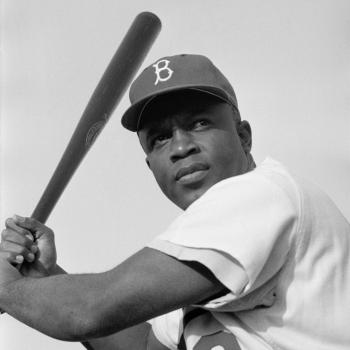
Jackie Robinson was born on this day in 1919.
Grades
7 - 12
|
Calendar Activity
|
Historical Figure & Event
Jackie Robinson was born on this day in 1919.
Students read messages sent to the White House from Jackie Robinson and discuss his role as an athlete and a civil rights activist, as well as the role of athletes in society.
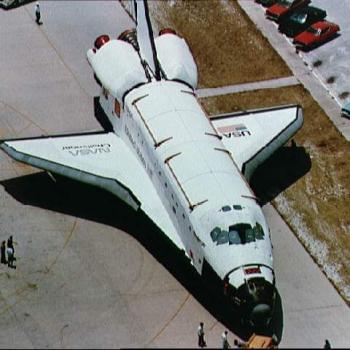
The Space Shuttle <em>Challenger</em> exploded in 1986.
Grades
3 - 12
|
Calendar Activity
|
Historical Figure & Event
The Space Shuttle Challenger exploded in 1986.

Students interview a parent or another adult about the Challenger and hypothesize about differences. Students can also write about the Columbia disaster in 2003.

Today is the birthday of Lewis Carroll, author of <em>Alice in Wonderland</em>.
Grades
3 - 6
|
Calendar Activity
|
Author & Text
Today is the birthday of Lewis Carroll, author of Alice in Wonderland.
After reading one of Carroll's chapters, students plan an unbirthday party and do activities and preparation for the event.
Gold was discovered in California in 1848.
Grades
3 - 12
|
Calendar Activity
|
Historical Figure & Event
Gold was discovered in California in 1848.
Students read letters from the Gold Rush and follow up by writing an imaginary letter to a family member about their experience using the Letter Generator.
Poe's "The Raven" was published in 1845.
Grades
7 - 12
|
Calendar Activity
|
Author & Text
Poe's "The Raven" was published in 1845.
As Poe's "The Raven" is read aloud, students note their reactions and discuss the changes or development of their first impressions as the poem continues.
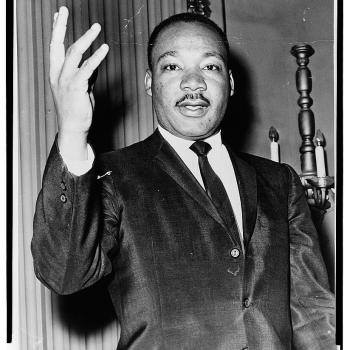
In 1929, Martin Luther King, Jr. was born on this day.
Grades
7 - 12
|
Calendar Activity
|
Historical Figure & Event
In 1929, Martin Luther King, Jr. was born on this day.
Students study Martin Luther King Jr.'s "I Have a Dream" speech and work in groups to create a mural that depicts Dr. King's vision of peace.
Judy Blume was born in 1938.
Grades
3 - 6
|
Calendar Activity
|
Author & Text
Judy Blume was born in 1938.
Students work with a partner or individually to create cartoons of their favorite scenes from Tales of a Fourth Grade Nothing.
Jane Yolen was born in 1939.
Grades
1 - 5
|
Calendar Activity
|
Author & Text
Jane Yolen was born in 1939.
Students read one of Jane Yolen's books, retell the story in the form of a puppet show, research animals in the book, and document their findings with the Animal Study interactive tool.
Grades
1 - 6
|
Calendar Activity
|
Author & Text
The Beverly Cleary Sculpture Garden was dedicated on October 13, 1995.
Students select characters that they believe are the most memorable from Cleary's books and write short persuasive essays to explain their choices.
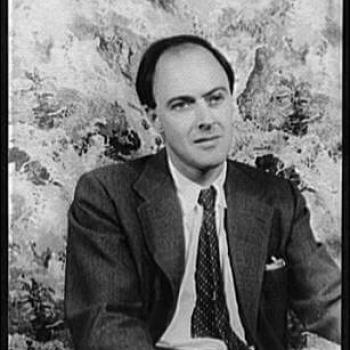
Roald Dahl was born on this day in 1916.
Grades
3 - 6
|
Calendar Activity
|
Author & Text
Roald Dahl was born on this day in 1916.

Students adapt a Roald Dahl story to picture book format and share their books and add them to the classroom library. Additionally, they compare a book version and film version of one of Dahl's works.

Coretta Scott King was born on this day in 1927.
Grades
3 - 12
|
Calendar Activity
|
Author & Text
Coretta Scott King was born on this day in 1927.
Students do a book report assignment based on a current or past winner of the Coretta Scott King Book Award.
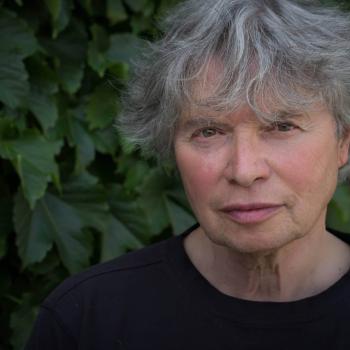
Avi was born in 1937.
Grades
5 - 12
|
Calendar Activity
|
Author & Text
Avi was born in 1937.
After reading Nothing But the Truth, students explore a current event topic and write their own short work of fiction in a similar multigenre format.
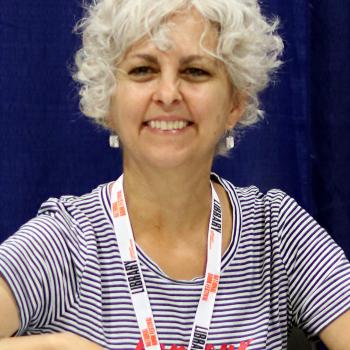
Celebrate Kate DiCamillo's birthday today.
Grades
3 - 6
|
Calendar Activity
|
Author & Text
Celebrate Kate DiCamillo's birthday today.
After examining the characters in one of DiCamillo's stories, students write original short stories featuring animals as central characters.
Celebrate Children's Authors and Illustrators Week
Grades
3 - 12
|
Calendar Activity
|
Literacy-Related Event
Celebrate Children's Authors and Illustrators Week
Students "step into the shoes" of their favorite author by reading several of their books, conducting research, and preparing displays and presentations for the class.
Karen Hesse, author of the Newbery-winning verse novel <em>Out of the Dust</em>, was born in 1952.
Grades
7 - 12
|
Calendar Activity
|
Author & Text
Karen Hesse, author of the Newbery-winning verse novel Out of the Dust, was born in 1952.

Students write original short works of historical fiction in verse format, modeling the style Hesse used to write Out of the Dust.

Science-fiction author Ray Bradbury was born in 1920.
Grades
7 - 12
|
Calendar Activity
|
Author & Text
Science-fiction author Ray Bradbury was born in 1920.
Students do a Bradbury author study and then create flyers to advertise their favorite story using the ReadWriteThink Printing Press.
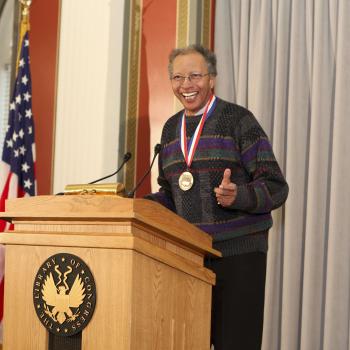
Walter Dean Myers, author of the Printz Award-winning novel <em>Monster</em>, was born in 1937.
Grades
3 - 12
|
Calendar Activity
|
Author & Text
Walter Dean Myers, author of the Printz Award-winning novel Monster, was born in 1937.
Students discuss how the form of a film script affects the story, why the author may have selected this writing style, and write a story using a similar format.

Paperback books were first introduced in 1935.
Grades
3 - 8
|
Calendar Activity
|
Literacy-Related Event
Paperback books were first introduced in 1935.
Independent reading is promoted among students by organizing a paperback book swap in the classroom or with other classes at the same grade level.
Author of <em>Tuck Everlasting</em>, Natalie Babbitt, was born in 1932.
Grades
9 - 12
|
Calendar Activity
|
Author & Text
Author of Tuck Everlasting, Natalie Babbitt, was born in 1932.
Students research the concept of immortality from beliefs around the world and compose a short story, myth, or poem that addresses immortality.

Pagination

  • First page « First
  • Previous page ‹‹
  • …
  • Page 26
  • Page 27
  • Page 28
  • Page 29
  • Page 30
  • Page 31
  • Page 32
  • Page 33
  • Page 34
  • Next page ››
  • Last page Last »

Explore Resources by Grade

  • KindergartenK
  • 1-2
  • 3-4
  • 5-6
  • 7-8
  • 9-10
  • 11-12

RWT-logo

Powered By NCTE

Footer 1 Menu

  • About
  • Classroom Resources
  • Professional Development
  • Collections
  • Contact Us

Footer 2 Menu

  • National Council of Teachers of English
  • Contribute to RWT
  • FAQs
  • Join NCTE

Footer 3 Menu

  • Legal Notices
  • Privacy Policy
  • Promotional Materials
  • Site Demonstrations

Want to stay in touch with RWT and NCTE? Sign up here!

  • Facebook
  • Twitter
  • Instagram
  • Pinterest
  • YouTube

© NCTE 2026. All rights reserved