Frogs often appear as the main character in fiction stories, but what do students really know about frogs? Students find out in this lesson in which they research real-life frogs.
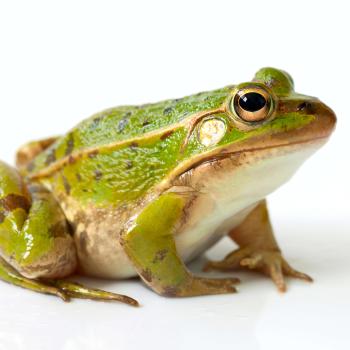
The Frog Beyond the Fairy Tale Character: Searching Informational Texts
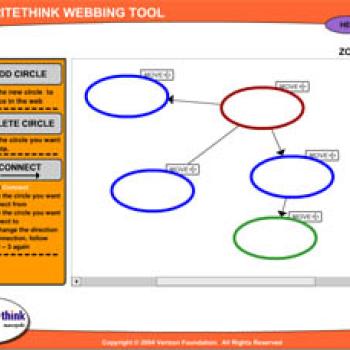
ReadWriteThink Webbing Tool
The Webbing Tool provides a free-form graphic organizer for activities that ask students to pursue hypertextual thinking and writing.
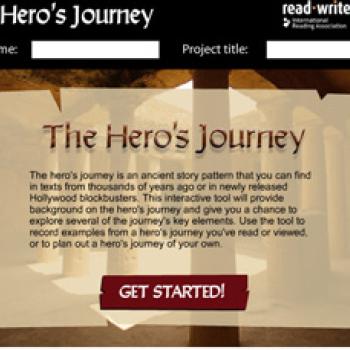
Hero's Journey
Students can use this tool to learn about the elements of the hero's journey, analyze a text that follows the hero's journey pattern, or start creating a hero story of their own.
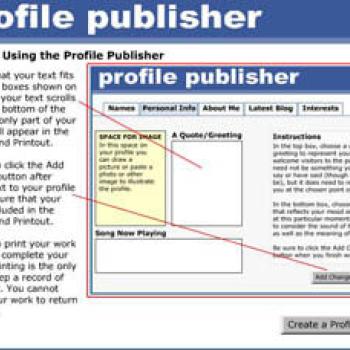
Profile Publisher
Students use the Profile Publisher to draft online social networking profiles, yearbook profiles, and newspaper or magazine profiles for themselves, other real or fictional characters.
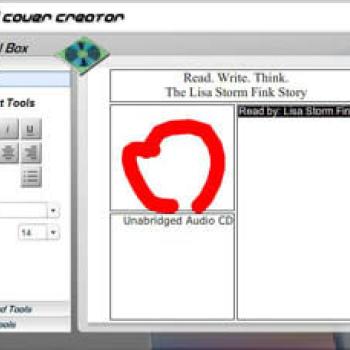
CD/DVD Cover Creator
The CD/DVD Cover Creator allows users to type and illustrate CD and DVD covers and related booklets for liner notes and other information. Students can use the tool to create covers for books, music, and films that they explored as well as to create covers for media they compose individually or as a class.
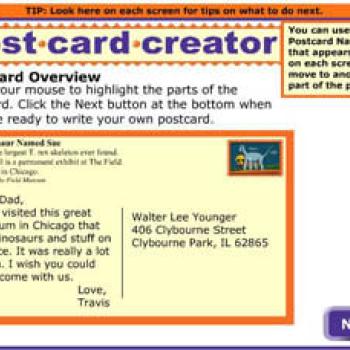
Postcard Creator
The Postcard Creator helps students learn to identify all the typical parts of a postcard, and then generate their own postcard messages by typing information into letter templates. After printing their texts, students can illustrate the front of their postcards in a variety of ways, including drawing, collage, and stickers.
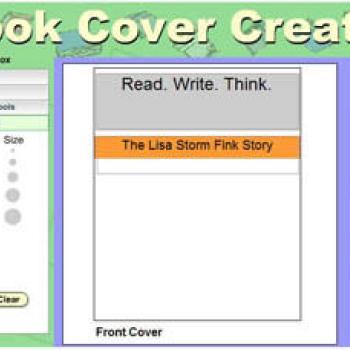
Book Cover Creator
The Book Cover Creator is designed to allow users to type and illustrate front book covers, front and back covers, and full dust jackets. Students can use the tool to create new covers for books that they read as well as to create covers for books they write individually or as a class.
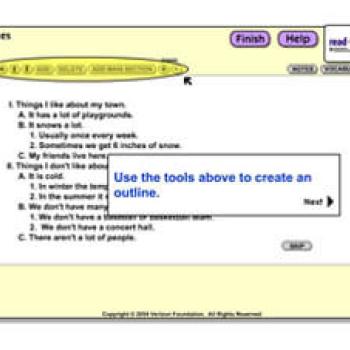
ReadWriteThink Notetaker
Useful for a wide variety of reading and writing activities, this outlining tool allows students to organize up to five levels of information.
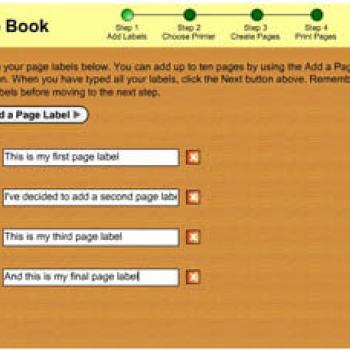
Flip Book
The Flip Book is designed to allow users to type and illustrate tabbed flip books up to ten pages long. Students and teachers can use the flip book for taking notes while reading, making picture books, collecting facts, or creating question and answer booklets.
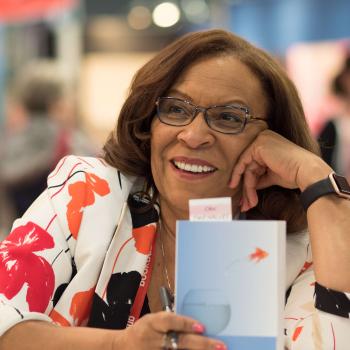
Sharon Draper was born on this day in 1952.
Students read a book from one of Draper's trilogies and then meet to discuss their book with students have read the other two books.
The Charlotte Huck Award for Outstanding Fiction for Children is announced today.
Students read and discuss an award-winning book before writing their own story that demonstrates compassion.

Celebrate Digital Learning Day today.
Students reflect on recent learning and the role digital tools and media have played in supporting or enhancing it.

Celebrate John Venn's Birthday!
Students celebrate the birth of English logician, philosopher, and creator of the Venn Diagram by building community within the classroom by comparing and contrasting likes, dislikes, and characteristics about one another.

Today is World Read Aloud Day.
Students celebrate the power of words by reading aloud to their classmates and spreading the word of global literacy to their friends and family.

Author Laurie Halse Anderson was born today.
Laurie Halse Anderson, the New York Times-bestselling author who is known for tackling tough subjects with humor and sensitivity, was born on this day in 1961.

Memorial Day is observed in the United States today.
Observed on the last Monday of May, Memorial Day honors the men and women who died while serving in the United States military. In addition to having celebrations with family and friends, many people visit cemeteries and memorials and place flags on the grave sites of fallen servicemen and women.

Poet Nikki Giovanni was born in 1943.
Using the poem "My First Memory (of Librarians)," students connect memory, their senses, and the language of poetry.

Gwendolyn Brooks published Bronzeville Boys and Girls in 1956.
After students have read and discussed several poems from Brooks' collection, they create a poetry anthology for their own family, neighborhood, or classroom.

President Barack Obama was born today in 1961.
Students are introduced to a passage by President Barack Obama in his book Dreams from My Father and are encouraged to engage in an examination of the ways they are portrayed by the media.
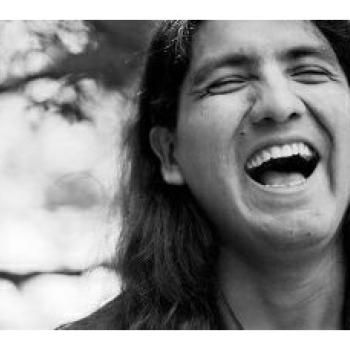
Sherman Alexie was born in 1966.
Students imagine they have been asked to participate in a museum exhibit, take photos/videos of a significant location, and write or record reflections. Students can also create an exhibit from something they have read.