Students explore Native American heritage through the study of pourquoi tales, write their own original pourquoi tales, and use the ReadWriteThink Printing Press to publish them.

November is National American Indian Heritage Month.
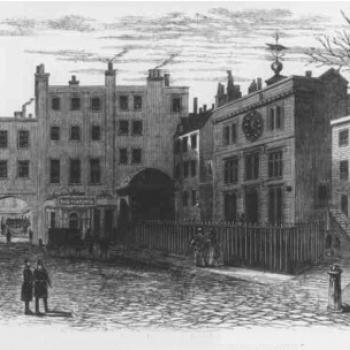
Scotland Yard was established this day in 1829.
Students explore the resources on the Scotland Yard website and compare the advice given to London's citizens to the advice available from the local police department.

F. Scott Fitzgerald, author of The Great Gatsby, was born in 1896.
After reading The Great Gatsby, students work in pairs, select a chapter from the novel, and rewrite it from the point of view of a different character.
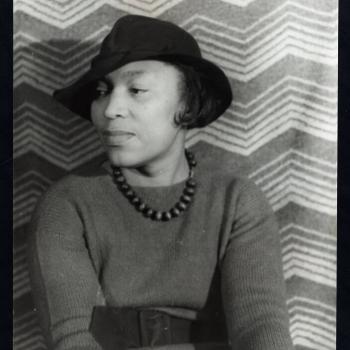
Their Eyes Were Watching God was published in 1937.
Students brainstorm the kinds of stories they know and where these stories come from. Students return to these questions as they begin reading Hurston's novel.

In 1952, Paul Fleischman was born on this day.
Some of Fleishman's memories in his essay "My House of Voices" are shared with the class. Students then write a descriptive essay that gives a tour of the voices in their homes, school, etc.

Explore and Write About Nature
In this activity, children look closely at living things in their natural environments and then make books about what they see.

Create Trading Cards for Favorite Characters
Use the online Trading Card Creator tool to have children make cards describing their favorite characters from the books on their reading list.

Blast Off to Learn New Words
Boost vocabulary by taking an imaginary trip into space. After a lunar "landing," children return to Earth with a galaxy of new words.

MyTube: Make a Video Public Service Announcement
Invite teens to explore issues that are important to them, and then write a script and film a video public service announcement.

Create a Career Blog
This activity invites children and teens to explore various careers and then write about what they might want to be when they grow up in a blog.
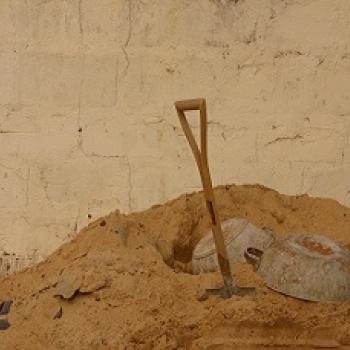
Become a Young Archaeologist
Want to visit a museum without leaving your computer? Virtually dig for famous historical artifacts from around the world found in the British Museum.

Amazing Biographies: Writing About People Who Change the World
After reading about historical figures and other important people that have changed the world, children choose someone that they consider to be "amazing"—either someone they've heard about or someone they know—and create a book page that highlights this person.
It's Raining Cats and Dogs! Make a Children's Book about the Weather
Kids learn about weather sayings throughout history while writing and illustrating a book for younger children.
Unveiling Idioms: A Game of Concentration
Brainstorm popular expressions with friends and family, then explore their meanings through game play and writing/drawing/cut-and-paste activities.

Follow the Word Trail: Organize a Treasure Hunt
Create a treasure hunt out of word-puzzle clues hidden around the home or yard.

Send a Smile: Make a Card for a Special Occasion
Everyone loves getting a greeting card, especially if it's homemade. Make a funny or thoughtful greeting card or invitation with pictures and a poem, joke, or riddle.

The Natural World as Inspiration: An Outdoor Art Show
Children incorporate materials from outdoors with paints or crayons to create pieces of art to display on their clotheslines, fences, or porches for a neighborhood art show.

Get ready to celebrate Banned Books Week!
Students brainstorm reasons why certain books might have been banned and discuss common reasons why books are challenged.
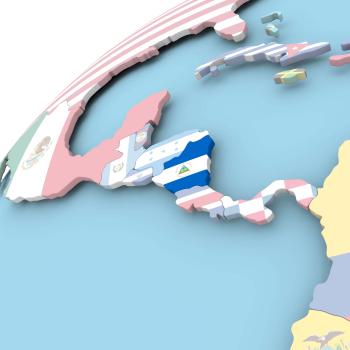
Hispanic Heritage Month begins today.
Students brainstorm all the various aspects of Latinx culture and compile topics to research. Groups then research topics and present their information to the class.
On the Road author Jack Kerouac embarked on his first cross-country road trip in 1947.
Students read a section from On the Road that deals with cross-country travel and reflects Kerouac's unique writing style. Students then attempt to write a narrative using Kerouac's stream-of-consciousness style.