It's important to "hook" readers at a story's beginning, but it's equally important to keep them interested. In this lesson, students learn to write effective conclusions to their own stories.

Once They're Hooked, Reel Them In: Writing Good Endings
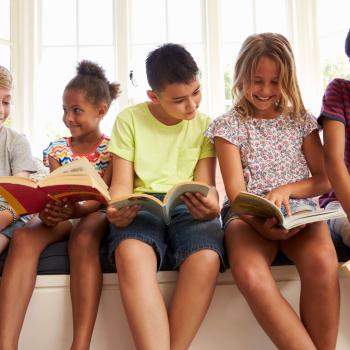
No Teachers Allowed: Student-Led Book Clubs Using QAR
Students are introduced to the Question-Answer Relationship (QAR) strategy through a read-aloud and question sort. Students then use the strategy to develop questions for a peer-led book discussion.
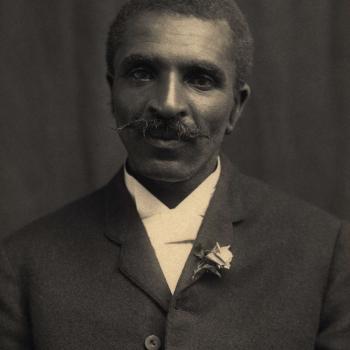
Great American Inventors: Using Nonfiction to Learn About Technology Inventions
Who are the people behind the world's greatest inventions? Students read biographies of a terrific trio of American inventors and create presentations that highlight how their inventions from the past impacted the future.

Reading Informational Texts Using the 3-2-1 Strategy
Students can count on using the 3-2-1 strategy to help them successfully comprehend and write about an informational text.

Storytelling in the Social Studies Classroom
People make the past come alive as students research and then share stories about famous Americans who promoted democratic ideals.
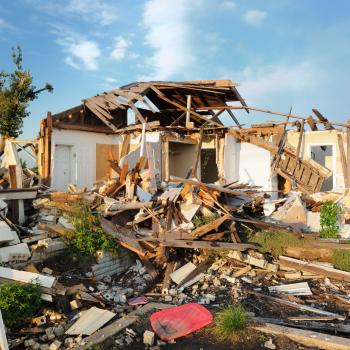
Exploring Cause and Effect Using Expository Texts About Natural Disasters
Students explore the nature and structure of expository texts that focus on cause and effect and apply what they learned using graphic organizers and writing paragraphs to outline cause-and-effect relationships.

Choosing the Right Book: Strategies for Beginning Readers
Students make purposeful choices for their reading materials, thinking about their reasons for reading a book and using strategies to match books to their abilities.
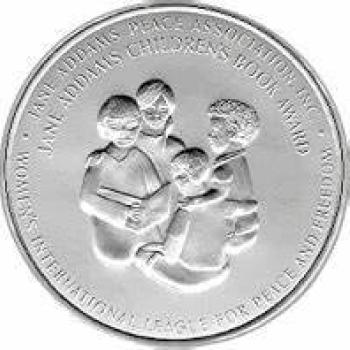
Exploring Author's Voice Using Jane Addams Award-Winning Books
History has many faces in this lesson in which students read Jane Addams Award-winning books to learn about peace, social justice, world community, and equality.
Exploring How Section Headings Support Understanding of Expository Texts
Nonfiction may be dull for some students, but this lesson helps them focus on the main ideas. Through awareness of section headings, students learn to sort and categorize main concepts.
Using a Word Journal to Create a Personal Dictionary
Students will be the definition of vocabulary experts as they use the skills they learn in this lesson to track, define, and ultimately master unfamiliar words.
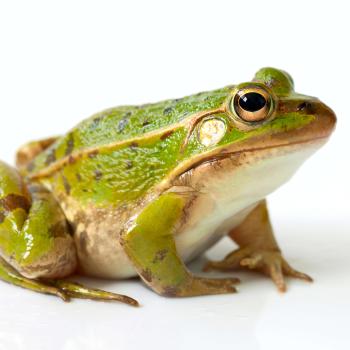
The Frog Beyond the Fairy Tale Character: Searching Informational Texts
Frogs often appear as the main character in fiction stories, but what do students really know about frogs? Students find out in this lesson in which they research real-life frogs.
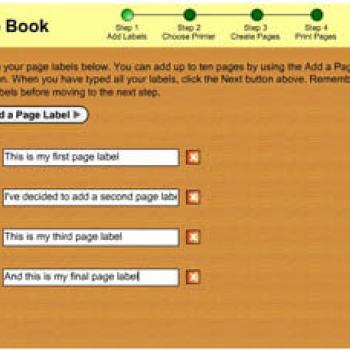
Flip Book
The Flip Book is designed to allow users to type and illustrate tabbed flip books up to ten pages long. Students and teachers can use the flip book for taking notes while reading, making picture books, collecting facts, or creating question and answer booklets.

Today is World Read Aloud Day.
Students celebrate the power of words by reading aloud to their classmates and spreading the word of global literacy to their friends and family.

Elie Wiesel was born on September 30, 1928.
Students compare and contrast two views of the Holocaust from different authors. Students may also research stories of other survivors who may or may not be published and create a presentation on this survivor.
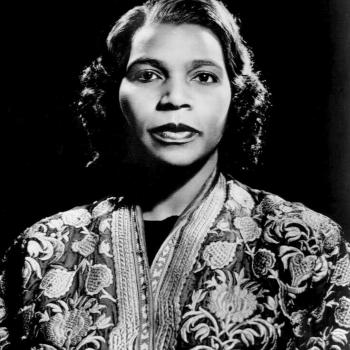
In 1939, Marian Anderson was denied permission to sing at Constitution Hall.
Students view Eleanor Roosevelt's resignation letter to the DAR in response to Andersen being denied permission to sing. Students write a letter to a newspaper editor about social injustice.

The New York Times used the slogan "All the News That's Fit to Print."
After discussing newspapers and their different points of view, students choose a current event, read editorials on the event, and share them with the class to identify the editor's point of view.
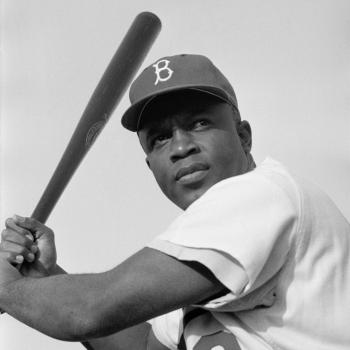
Jackie Robinson was born on this day in 1919.
Students read messages sent to the White House from Jackie Robinson and discuss his role as an athlete and a civil rights activist, as well as the role of athletes in society.
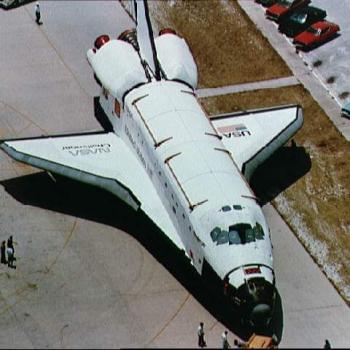
The Space Shuttle Challenger exploded in 1986.
Students interview a parent or another adult about the Challenger and hypothesize about differences. Students can also write about the Columbia disaster in 2003.

Gold was discovered in California in 1848.
Students read letters from the Gold Rush and follow up by writing an imaginary letter to a family member about their experience using the Letter Generator.
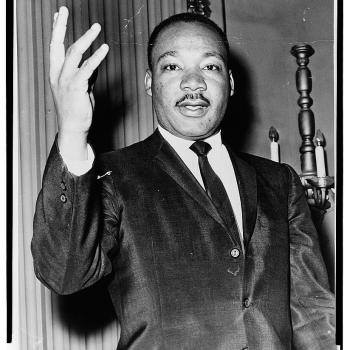
In 1929, Martin Luther King, Jr. was born on this day.
Students study Martin Luther King Jr.'s "I Have a Dream" speech and work in groups to create a mural that depicts Dr. King's vision of peace.