ReadWriteThink - Powered by NCTE
  • About
  • Classroom Resources
    • Lesson Plans
    • Teaching Comics
    • Teaching With Primary Resources
    • Calendar
    • Printouts
    • Student Interactives
  • Collections
    • Assessment
    • Authors
    • Booklists
    • Media Literacy
    • Poetry
    • Primary Sources
    • Writing
  • Professional Development
    • Strategy Guides
    • Professional Library
    • Meetings & Events
  • Join NCTE
  • Contact Us
  • About
  • Classroom Resources
    • Lesson Plans
    • Teaching Comics
    • Teaching With Primary Resources
    • Calendar
    • Printouts
    • Student Interactives
  • Collections
    • Assessment
    • Authors
    • Booklists
    • Media Literacy
    • Poetry
    • Primary Sources
    • Writing
  • Professional Development
    • Strategy Guides
    • Professional Library
    • Meetings & Events
  • Join NCTE
  • Contact Us
  • Facebook
  • Twitter
  • Instagram
  • Pinterest
  • YouTube

Breadcrumb

  1. Home

Type

  • (-) Lesson Plan
    • Minilesson
    • Recurring Lesson
    • Standard Lesson
    • Unit

Grades

  • 1 (58)
  • 2 (66)
  • 3 (104)
  • 4 (103)
  • 5 (107)
  • 6 (115)
  • 7 (102)
  • 8 (102)
  • 9 (88)
  • 10 (87)
  • 11 (87)
  • 12 (86)
  • K (50)

Learning Objectives

  • (-) Comprehension (338)
  • collaboration (353)
  • critical thinking (328)
  • digital literacy (111)
  • Grammar (45)
  • inquiry / research (208)
  • listening (107)
  • literary analysis (276)
  • Media literacy (124)
  • metacognition (118)
  • multicultural awareness (58)
  • multimodal literacy (165)
  • oral communication (148)
  • phonological awareness (47)
  • print awareness (54)
  • reading fluency (48)
  • reading genres (168)
  • Spelling (41)
  • text structure / story structure (146)
  • Vocabulary (140)
  • writing genres (247)
  • writing process (334)

Topics

  • arts
  • careers
  • community
  • drama
  • ELL
  • Family
  • fiction
  • Mathematics
  • Mobile Learning
  • nonfiction
  • poetry
  • science
  • seasons / holidays
  • social action
  • social studies / history
  • Sports
What is Poetry? Contrasting Poetry and Prose
Grades
6 - 8
|
Lesson Plan
|
Standard Lesson
What is Poetry? Contrasting Poetry and Prose

Students often find poetry frustrating and meaningless. By helping students think critically about the differences between poetry and prose, this introduction sets the stage for different strategies for comprehending poetic texts.

Jazz Up Writing Workshop: Writing Biographies of African American Jazz Musicians
Grades
2 - 3
|
Lesson Plan
|
Unit
Jazz Up Writing Workshop: Writing Biographies of African American Jazz Musicians
During writing workshop, students research, write, revise, and share their own comprehensive biographies of African American jazz musicians.

Going Digital: Using e-Book Readers to Enhance the Reading Experience
Grades
2 - 4
|
Lesson Plan
|
Standard Lesson
Going Digital: Using e-Book Readers to Enhance the Reading Experience
Students use various tools and features of digital readers to develop vocabulary, support comprehension, respond to text, improve fluency, and enhance the reading experience.
Using American Sign Language to Improve Comprehension and Vocabulary
Grades
1 - 3
|
Lesson Plan
|
Standard Lesson
Using American Sign Language to Improve Comprehension and Vocabulary
American Sign Language is combined with the hilarious poetry and pictures of Sam's Sandwich, a lift-the-flap book, to engage all types of learners in acquiring key vocabulary.

Talking About Books to Improve Comprehension
Grades
3 - 5
|
Lesson Plan
|
Recurring Lesson
Talking About Books to Improve Comprehension
This lesson is a conversation-starter! In this lesson, students learn about striking up deep-thought conversations and staying on topic in the form of a book talk.

When I Was Young In...A Literature to Language Experience
Grades
6 - 8
|
Lesson Plan
|
Unit
When I Was Young In...A Literature to Language Experience
Past meets present in this lesson in which students practice verb tense when they write personal short stories that they then publish in a flip book.

Using Children's Literature to Develop Classroom Community
Grades
3 - 6
|
Lesson Plan
|
Standard Lesson
Using Children's Literature to Develop Classroom Community
Conversation and cooperation bring out the best in students when they hold dialogues about their individual strengths, abilities, and talents.
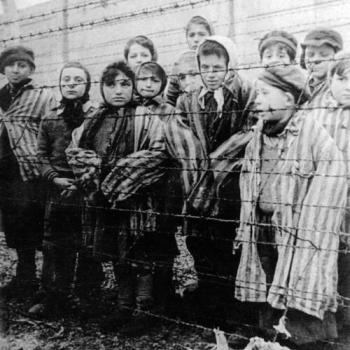
Using Technology to Analyze and Illustrate Symbolism in <em>Night</em>
Grades
6 - 8
|
Lesson Plan
|
Standard Lesson
Using Technology to Analyze and Illustrate Symbolism in Night
Images have power—they can trigger memories or symbolize abstract ideas. Students put the power of images to the test as they analyze symbolism in Night and create symbolic photomontages.
Shhh! Bear's Sleeping: Learning About Nonfiction and Fiction Using Read-Alouds
Grades
K - 2
|
Lesson Plan
|
Standard Lesson
Shhh! Bear's Sleeping: Learning About Nonfiction and Fiction Using Read-Alouds

Students explore the distinction between the fiction story Bear Snores On and the nonfiction book Every Autumn Comes the Bear.

Using Word Storms to Explore Vocabulary and Encourage Critical Thinking
Grades
3 - 5
|
Lesson Plan
|
Recurring Lesson
Using Word Storms to Explore Vocabulary and Encourage Critical Thinking
Students learn that dogs are more than just pets in this lesson, which teaches them to use research and vocabulary-acquisition strategies to learn and write about working dogs.

Nature Reflections: Interactive Language Practice for English-Language Learners
Grades
3 - 5
|
Lesson Plan
|
Unit
Nature Reflections: Interactive Language Practice for English-Language Learners
Students whose first language is not English reflect on nature through readings, a visit to a green area, and bookmaking using the writing process and peer feedback.
Learning About Research and Writing Using the American Revolution
Grades
3 - 5
|
Lesson Plan
|
Unit
Learning About Research and Writing Using the American Revolution
Students across the board will get a kick out of researching a historical figure from the American Revolution to create an acrostic poem.
Delicious, Tasty, Yummy: Enriching Writing with Adjectives and Synonyms
Grades
3 - 5
|
Lesson Plan
|
Standard Lesson
Delicious, Tasty, Yummy: Enriching Writing with Adjectives and Synonyms
Students thoroughly explore identifying synonyms and adjectives before using them to add variety and interest to their own writing.
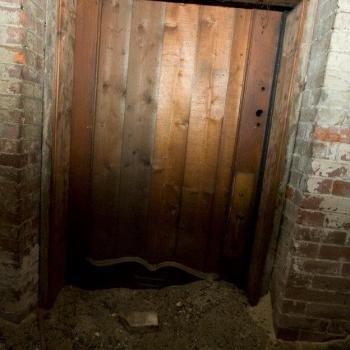
Traveling the Road to Freedom Through Research and Historical Fiction
Grades
6 - 8
|
Lesson Plan
|
Unit
Traveling the Road to Freedom Through Research and Historical Fiction
Students learn how to walk a mile in someone else's shoes by reading historical fiction about the Underground Railroad.

Dancing Minds and Shouting Smiles: Teaching Personification Through Poetry
Grades
3 - 5
|
Lesson Plan
|
Standard Lesson
Dancing Minds and Shouting Smiles: Teaching Personification Through Poetry
Students learn about personification by reading and discussing poems and then brainstorm nouns and verbs to create personification in their own poems.
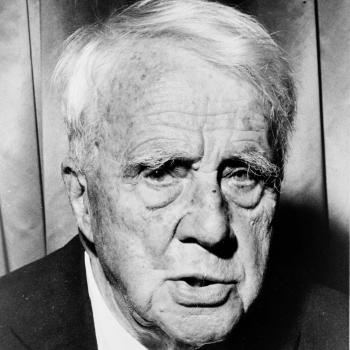
Robert Frost Prompts the Poet in <em>You</em>
Grades
6 - 8
|
Lesson Plan
|
Standard Lesson
Robert Frost Prompts the Poet in You
Students will find their inner poet laureate in this lesson that involves writing a poem in the style of Robert Frost.
Inferring How and Why Characters Change
Grades
3 - 5
|
Lesson Plan
|
Standard Lesson
Inferring How and Why Characters Change
Students will really get into character when they read short stories and analyze the how's and why's of characters' behaviors.

A Directed Listening-Thinking Activity for "The Tell-Tale Heart"
Grades
6 - 8
|
Lesson Plan
|
Standard Lesson
A Directed Listening-Thinking Activity for "The Tell-Tale Heart"
What's that sound? Students participate in a Directed Listening–Thinking Activity (DLTA) using "The Tell-Tale Heart," make predictions, and respond in the form of an acrostic poem or comic strip.
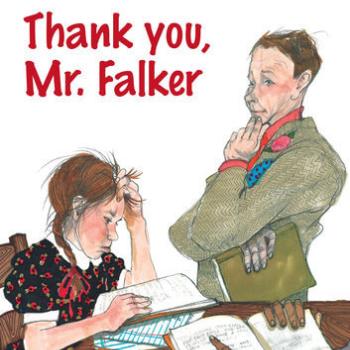
Digging Deeper: Developing Comprehension Using <em>Thank You, Mr. Falker</em>
Grades
K - 4
|
Lesson Plan
|
Standard Lesson
Digging Deeper: Developing Comprehension Using Thank You, Mr. Falker

A read-aloud of Patricia Polacco's Thank You, Mr. Falker helps promote deeper comprehension through questioning to achieve personal connections and discussions of character and theme.

The Pros and Cons of Discussion
Grades
9 - 12
|
Lesson Plan
|
Standard Lesson
The Pros and Cons of Discussion
Students use a Discussion Web to engage in meaningful discussion of the question, "Are people equal?"

Pagination

  • First page « First
  • Previous page ‹‹
  • …
  • Page 9
  • Page 10
  • Page 11
  • Page 12
  • Page 13
  • Page 14
  • Page 15
  • Page 16
  • Page 17
  • Next page ››
  • Last page Last »

Explore Resources by Grade

  • KindergartenK
  • 1-2
  • 3-4
  • 5-6
  • 7-8
  • 9-10
  • 11-12

RWT-logo

Powered By NCTE

Footer 1 Menu

  • About
  • Classroom Resources
  • Professional Development
  • Collections
  • Contact Us

Footer 2 Menu

  • National Council of Teachers of English
  • Contribute to RWT
  • FAQs
  • Join NCTE

Footer 3 Menu

  • Legal Notices
  • Privacy Policy
  • Promotional Materials
  • Site Demonstrations

Want to stay in touch with RWT and NCTE? Sign up here!

  • Facebook
  • Twitter
  • Instagram
  • Pinterest
  • YouTube

© NCTE 2026. All rights reserved