This lesson encourages students in grades 4 and 5 to think critically and write persuasively by focusing on preparing, presenting, and evaluating mock campaign speeches.

Vote for Me! Developing, Writing, and Evaluating Persuasive Speeches
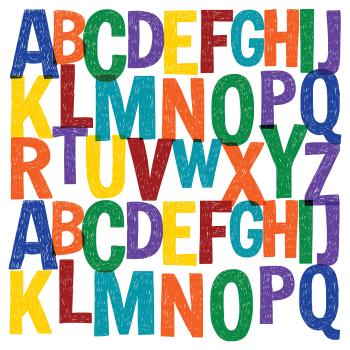
Q is for Duck: Using Alphabet Books With Struggling Writers
A is for zoo? Q is for duck? The alphabet as students know it is transformed when students create a class book that contains clever associations for each letter of the alphabet.

Junie B. Jones Introduces Literacy Mystery Boxes
Like Junie B. Jones, students will be saying "Wait till you hear this" after listening to a Junie B. story and creating mystery boxes to help retell the story.

You Can't Spell the Word Prefix Without a Prefix
Students explore the role of prefixes, as well as their origins and meanings, and examine how the understanding of prefixes can improve comprehension, decoding, and spelling.

A High-Interest Novel Helps Struggling Readers Confront Bullying in Schools
Students read a work of realistic fiction about bullying and gain understanding through writing, Readers Theatre, and discussion.

Thundering Tall Tales: Using Read-Aloud as a Springboard to Writing
Imagination and application are key to this tall tale lesson in which students take what they know about tall tales to spin a yarn of their own.

Developing Students' Critical Thinking Skills Through Whole-Class Dialogue
"That's my position and I'm sticking to it!" After reading about the Korean War, students will take a position in response to an open-ended question, support their position, and evaluate that support.

Sequencing: A Strategy to Succeed at Reading Comprehension
Did Paul Bunyan gouge out the Grand Canyon before or after he dug the Great Lakes? Students create a life-sized timeline showing the sequence of events in this tall tale.
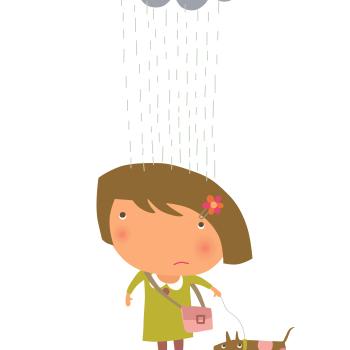
Exploring the Subtext Strategy: Thinking Beyond the Text
What is it like to have a terrible, horrible, no good, very bad day? Students find out in this lesson in which they "become" the characters in Judith Viorst's book.
Choosing, Chatting, and Collecting: Vocabulary Self-Collection Strategy
Students identify interesting words from Shakespeare's plays and add them to a classroom vocabulary collection.

Sentence Quest: Using Parts of Speech to Write Descriptive Sentences
Students learn about sentences by listing verbs, nouns, and adjectives. They use word cards to create descriptive sentences and work in groups to create the longest sentences they can.

Poetry Plus! Creating 21st Century Poems with Web Tools
This lesson encourages students to immerse themselves in poetry as they share their original poems orally and digitally with published poets and peers nationwide.

Reading Movies and TV: Learning the "Language" of Moving-Image Texts
Introduce students to the idea that movies and TV have their own language and grammar, which gives them special ways of telling their stories.

Bringing Economic Vocabulary to Life Through Video Posters
Imagine if vocabulary could come alive with the click of a button! Students create video posters to demonstrate knowledge of new economics vocabulary.

Tell Me Your Story: Video-Inspired Vocabulary Writing
Students watch a sample of artistic video clips online and respond through creative writing while using the vocabulary words they are currently studying.

Inspire Healthful Reading Using Unconventional Texts
This minilesson encourages children to seek out and appropriately react to nutrition labels and to make healthy food choices, integrating science, math, health, and literacy.

Playlist for Holden: Character Analysis With Music and Lyrics
Students compile a playlist of 10 songs representing a literary character and explain their choices based on the book's dialogue, plot, conflict, and resolution.

The Magic of Three: Techniques for the Writer's Craft
Students learn to use tricolons—a writer's technique of putting words and phrases into groups of threes—to add rhythm and power to their writing.

Going Digital: Using e-Book Readers to Enhance the Reading Experience
Students use various tools and features of digital readers to develop vocabulary, support comprehension, respond to text, improve fluency, and enhance the reading experience.

Reading Idol! Bringing Readers Theatre Center Stage in Your Classroom
Students produce a Readers Theatre performance to compete to be named the Reading Idol. Students vote on the final performances and record them as podcasts.