Students explore the menu genre by analyzing existing menus from local restaurants. They review adjectives and descriptive writing and then work in groups to create their own custom menus.
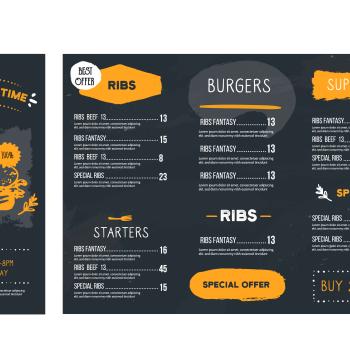
Cooking Up Descriptive Language: Designing Restaurant Menus

Developing Reading Plans to Support Independent Reading
Students analyze their past readings and use that knowledge to create reading plans for the future.

Talking, Writing, and Reasoning: Making Thinking Visible with Math Journals
Students explore how their problem-solving strategies work by writing in math journals as they work in small groups to solve a math puzzle with multiple solutions.

Choosing the Best Verb: An Active and Passive Voice Minilesson
Students explore how active and passive voices are appropriate to different audiences. They examine online resources, and then draw conclusions about verb use, which they apply to their own writing.
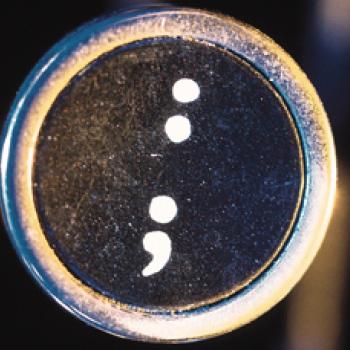
Every Punctuation Mark Matters: A Minilesson on Semicolons
Students analyze stylistic choices and grammar use in authentic writing, focusing on the use of the semicolon in Martin Luther King Jr.'s "Letter from Birmingham Jail."
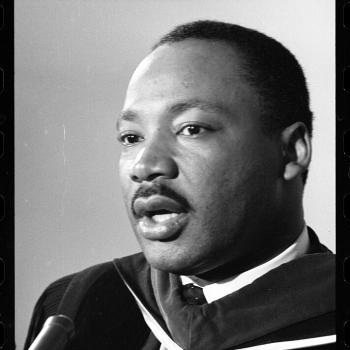
Exploring the Power of Martin Luther King, Jr.'s Words through Diamante Poetry
Students explore the ways that powerful and passionate words communicate the concepts of freedom, justice, discrimination, and the American Dream in Martin Luther King, Jr.'s "I Have a Dream" speech.

Avoiding Sexist Language by Using Gender-Fair Pronouns
Students engage in a brief writing assignment that concretely illustrates how language and gender stereotyping interact causally.

An Introduction to Julius Caesar Using Multiple-Perspective Universal Theme Analysis
This resource is an introduction to William Shakespeare's tragic play, The Tragedy of Julius Caesar, through the study of universal themes using multiple-perspective investigations of betrayal scenarios.

Chasing the Dream: Researching the Meaning of the American Dream
By conducting interviews, sharing and assessing data, and writing papers based on their authentic research, students reach their own conclusions on the meaning of the American Dream.

Talking Poetry with Blabberize
Students will be motivated to share their poetry through an online tool the features recording and animation.
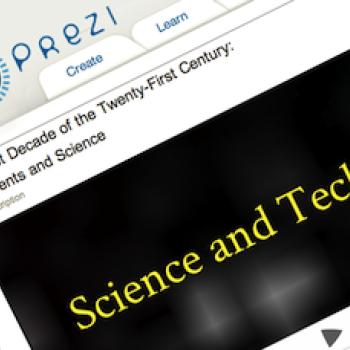
Blending the Past with Today's Technology: Using Prezi to Prepare for Historical Fiction
To prepare for literature circles featuring historical novels, students research the decades of the 1930s to the 1990s and share their information using Prezi, a web application for creating multimedia presentations.

Vote for Me! Making Presidential Commercials Using Avatars
After researching political platforms of past presidents through primary sources and other resources, students create commercials for these presidents using Voki, an online web tool that produces speaking avatars.

Book Report Alternative: Getting Acquainted with Farcebook
In this alternative to the traditional book report, students report on their novel choices using Facebook-like pages.
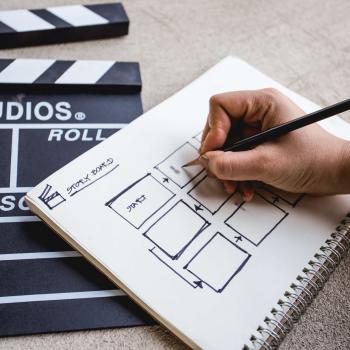
From Text to Film: Exploring Classic Literature Adaptations
Students create storyboards to compare and contrast a book and its film adaptation.

Breaking the Rules with Sentence Fragments
Though teachers usually caution students against using sentence fragments, Edgar Schuster's work demonstrates that professional writers often use fragments effectively. This lesson helps students understand that there are reasons that they can and should use sentence fragments to become effective writers.
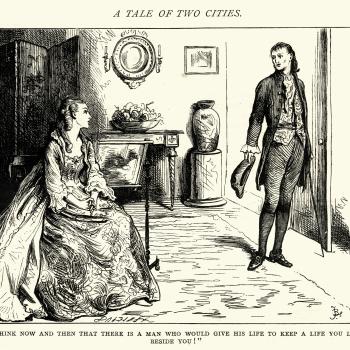
A Tale of a Few Text Messages: A Character Study of A Tale of Two Cities
Students use A Tale of Two Cities to explore relationships, plot points, character traits, and background by writing text messages between characters within the novel.

Glogging About Natural Disasters
After researching various natural disasters, students share their findings with each other using glogs, or through poster presentations.

Experiencing Haiku Through Mindfulness, Movement & Music
By being present and mindful on nature walks, students write haiku using vivid sensory language; and explore body movement, music and art as visual and kinesthetic representations of their poetry.
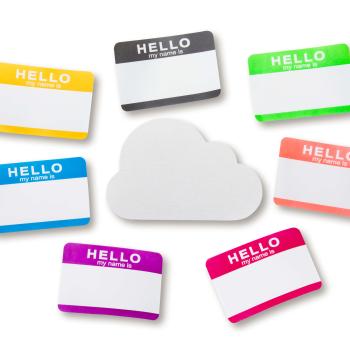
Name Tag Glyphs
In this lesson, students practice a way to communicate without words by using a glyph. They create a name card using information about themselves. Students also interpret glyphs made by others.
Book Report Alternative: Glog That Book!
In this alternative book report, students identify the elements of fiction in books they have read by creating glogs, interactive multimedia posters, and then share their glogs.