Students explore letter poems and experiment with writing letters as poems, using the placement of line breaks to enhance rhythm, sound, meaning, and appearance.

Letter Poems Deliver: Experimenting with Line Breaks in Poetry Writing
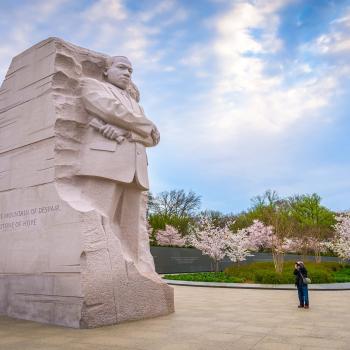
How Big Are Martin's Big Words? Thinking Big about the Future
Inspired by the book Martin's Big Words, students explore information on Dr. King to think about his "big" words, then they write about their own "big" words and dreams.
What Makes Poetry? Exploring Line Breaks
Students read various poems and explore why lines are broken where they are and how they affect rhythm, sound, meaning, and appearance in poetry.

Breaking Barriers, Building Bridges: Critical Discussion of Social Issues
Through a series of picture book read-alouds, students engage in critical discussion of complex issues of race, class, and gender.
Who's Got Mail? Using Literature to Promote Authentic Letter Writing
Students discuss and chart letter elements and write their own letters to adults at school, reinforcing letter-writing skills beyond the classroom lesson.
Family Message Journals Teach Many Purposes for Writing
This lesson encourages children to explore authentic reasons for writing by writing messages to their family in a family message journal.

She Did What? Revising for Connotation
Did she walk, skip, amble, dance? In this minilesson, students explore connotation by acting out and revising the simple sentence "She walked into the room."
Avalanche, Aztek, or Bravada? A Connotation Minilesson
Students examine familiar car names for underlying connotations then proceed through a series of steps, increasing their control over language, until they select words with powerful connotations in their own writing.
Using Repetition and Picture Cues to Foster Independent Young Readers
Kindergartners share their knowledge of letters and sounds in a large group setting, giving teachers an assessment opportunity. Each student contributes a page to make a repetitive classroom book.
Book Clubs: Reading for Fun
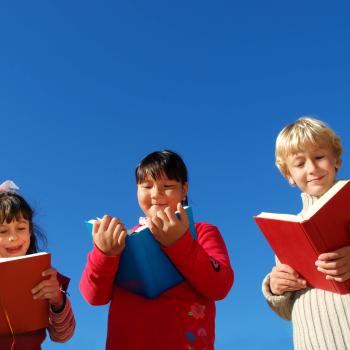
This lesson describes how small groups of students can plan meetings to discuss what they've read in a "just for fun" book club they've organizedand that they control.

Native Americans Today
This lesson challenges students' views of Native Americans as a vanished people by asking them to compare their prior knowledge with information they gather while reading about contemporary Native Americans.
Using Children's Natural Curiosity to Lead to Descriptive Writing
Inspired by the book It Begins with an A, kindergarten students are invited to turn their curiosity and guesswork into a class book, complete with illustrated objects and descriptive language

Poetry from Prose
Working in small groups, students compose found and parallel poems based on a descriptive passage they have chosen from a piece of literature they are reading.
Shared Spelling Strategies
Students increase their spelling accuracy and retention, while preserving fluency, by using sound, sight recall, and analyzing strategies instead of memorizing words, as they deal with spelling during drafting.

Learning to Learn with Miss Alaineus: A Vocabulary Disaster
Modeled on the activities in Miss Alaineus: A Vocabulary Disaster, a picture book, students combine vocabulary exploration with word play by planning their own vocabulary parade.

Get the Reel Scoop: Comparing Books to Movies
Students compare a book to its film adaptation, and then perform readers theater of a scene from the book that they feel was not well represented in the movie version.

Literature Circles with Primary Students Using Self-Selected Reading
Students respond to self-selected books in journals, and talk about their books daily in small groups. The teacher guides students by offering suggestions and writing with them in dialogue journals.

Fairy Tales from Life
Picture books provide the basis for an analysis of fairy tale elements before students write their own original tales.

Expository Escapade—Detective's Handbook
Students create a Detective's Handbook based on a detective mystery they have read. The handbooks include expository and descriptive writing, as well as a letter.
Literature Circles: Getting Started
Students practice different ways of collaborating to read a work of literature. They work in different roles as they compose and answer questions, discover new vocabulary, and examine literary elements.