Nikki Giovanni's poem "The Funeral of Martin Luther King, Jr." is paired with Dr. King's "I Have a Dream" speech, taking students on a quest through time to the Civil Rights movement.
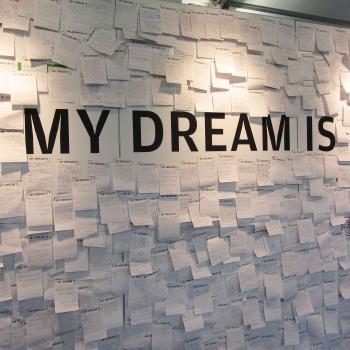
Entering History: Nikki Giovanni and Martin Luther King, Jr.
Campaigning for Fair Use: Public Service Announcements on Copyright Awareness
Students explore a range of resources on fair use and copyright then design their own audio public service announcements (PSAs), to be broadcast over the school's public address system.
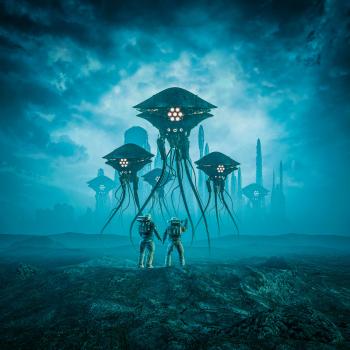
Finding the Science Behind Science Fiction through Paired Readings
Students read science fiction texts and then use nonfiction texts to extrapolate the scientific principles presented as they discuss the "what ifs" within the context of scientific principles.
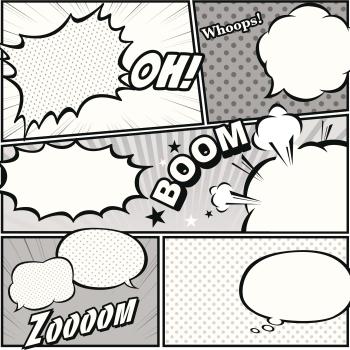
The Comic Book Show and Tell
Students craft comic scripts using clear, descriptive, and detailed writing that shows (illustrates) and tells (directs). After peers create an artistic interpretation of the script, students revise their original scripts.
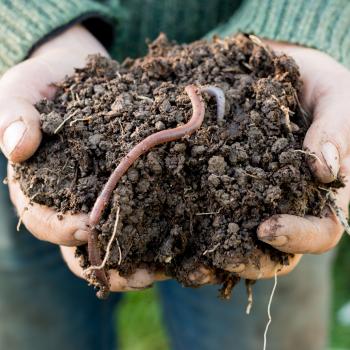
Digging Up Details on Worms: Using the Language of Science in an Inquiry Study
This lesson, in which students research worms in order to create a classroom habitat, incorporates reading and writing across content areas as well as math and science activities.
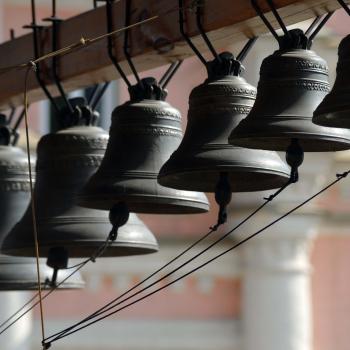
Onomatopoeia: A Figurative Language Minilesson
Clang, clash, or tinkle? Students explore the use of onomatopoeia in Edgar Allan Poe's "The Bells" before choosing their own sound words in response to specific sounds.
Audio Broadcasts and Podcasts: Oral Storytelling and Dramatization
After exploring Orson Welles' 1938 broadcast of H. G. Wells' War of the Worlds, students create their own audio dramatization of a text they have read.

Myth and Truth: The Gettysburg Address
By exploring myths and truths surrounding Abraham Lincoln's Gettysburg Address, students think critically about commonly believed stories regarding this famous speech from the Civil War era.
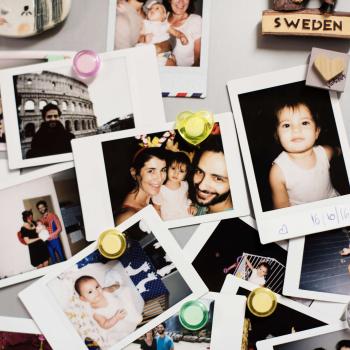
Creating Family Timelines: Graphing Family Memories and Significant Events
Students interview family members, and then create graphic family timelines based on important and memorable family events.

Copyright Infringement or Not? The Debate over Downloading Music
This lesson takes advantage of students' interest in music and audio sharing. Students investigate multiple perspectives in the music downloading debate and develop a persuasive argument for a classroom debate.
Our Community: Creating ABC Books as Assessment
Students create alphabet books, which are used as an integrated assessment with science, health, social studies, and any other content area. This lesson plans looks at the theme of community.

Focusing Reader Response Through Vocabulary Analysis
Students suggest and categorize words that they associate with a novel they have recently read, ranging from details about the plot to feelings about a character.

A Bear of a Poem: Composing and Performing Found Poetry
Children find favorite words, phrases, and sentences from familiar stories. Working together, they combine their words and phrases to create a poem. The poem is then shared as performance poetry.
Literary Characters on Trial: Combining Persuasion and Literary Analysis
Students stage a mock trial for a literary character, with groups of students acting as the prosecution, defense, and jury.
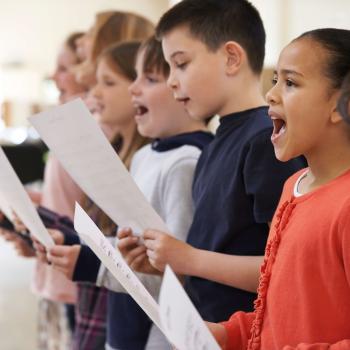
Improving Fluency through Group Literary Performance
Students participate in shared reading, choral reading, and readers theater, using books by Bill Martin, Jr. Repeated readings and literary performances help students with their reading accuracy, expression, and rate.

Literary Scrapbooks Online: An Electronic Reader-Response Project
Students capture scraps of information from a variety of Web resources and use them to create an electronic scrapbook. Emphasis is placed on evaluating and citing resources.

Investigating the Holocaust: A Collaborative Inquiry Project
Students explore a variety of resources as they learn about the Holocaust. Working collaboratively, they investigate the materials, prepare oral responses, and produce a topic-based newspaper to complete their research.
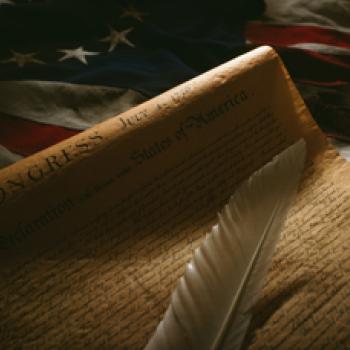
Exploring Free Speech and Persuasion with Nothing But the Truth
Students read Avi's Nothing But the Truth and examine the First Amendment and student rights, and then decide whether the rights of the novel's protagonist, Philip, are violated.

Acrostic Poems: All About Me and My Favorite Things
Students create acrostic poems using their names and the names of things that are important to them.
Making Connections to Myth and Folktale: The Many Ways to Rainy Mountain
Following the model of N. Scott Momaday's The Way To Rainy Mountain, students write three-voice narratives based on Kiowa folktales, an interview with an Elder, and personal connections to theme.