Featuring descriptions and activities for fifty exceptional titles, Mary Jo Fresch and Peggy Harkins offer a wealth of ideas for harnessing the power of picture books to improve reading and writing in the content areas.
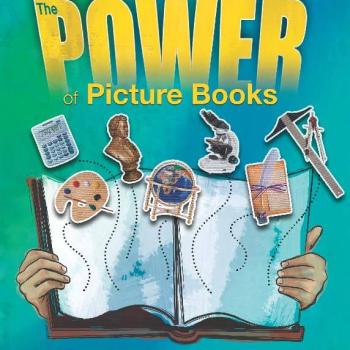
Power of Picture Books, The: Using Content Area Literature in Middle School
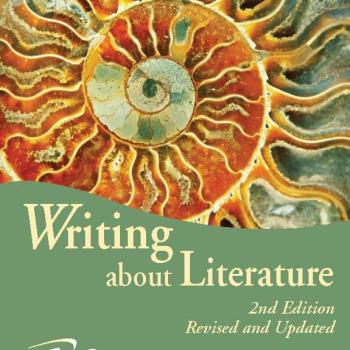
Writing about Literature, 2nd ed., Revised and Updated
This book is intended to help middle and secondary school English language arts teachers integrate literature study and composition instruction.
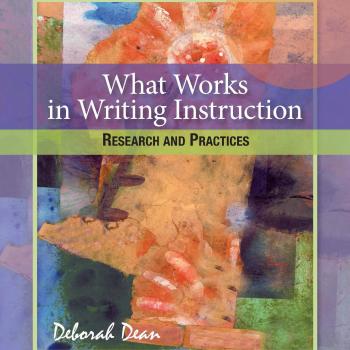
What Works in Writing Instruction: Research and Practices
Through teacher-friendly language and classroom examples, Deborah Dean takes a close look at effective, research-based practices for writing instruction.
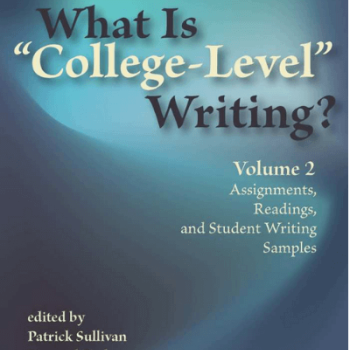
What Is "College-Level" Writing? Volume 2: Assignments, Readings, and Student Writing Samples
Edited by Patrick Sullivan, Howard Tinberg, and Sheridan Blau, this sequel to What Is "College-Level" Writing? (2006) highlights the practical aspects of teaching writing.

Tim O'Brien in the Classroom: "This too is true: Stories can save us"
As part of the NCTE High School Literature Series, Tim O'Brien in the Classroom focuses on opportunities for classroom discussion and writing assignments, including lessons, open-ended prompts, and student writing samples.
Violent Red, Ogre Green, and Delicious White: Expanding Meaning Potential through Media
This article reports on the meaning potential of daily access to drawing/writing media for widening and deepening meaning construction.
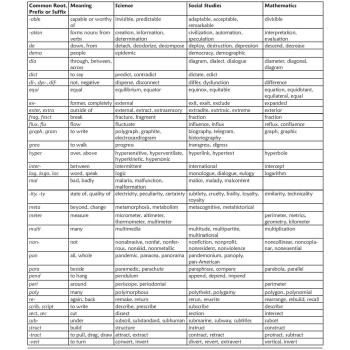
Common Content Area Roots and Affixes
This printout offers 50 or so common roots, prefixes, and affixes that give students access to hundreds of key concepts across the content areas.

I-Search Chart
As part of an I-Search writing process, this handout facilitates the formation of meaningful questions and subquestions for student inquiry.
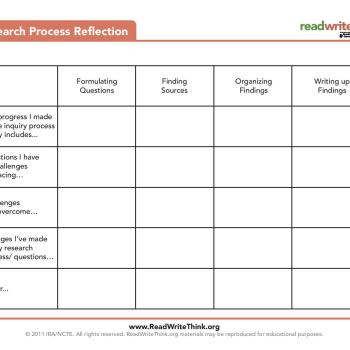
I-Search Process Reflection Chart
This chart asks students to consider their challenges and successes across the span of the research process, from question formulation to the final write-up.

Haiku Starter
This graphic organizer provides students the opportunity to brainstorm words about a given topic, count and record the syllables, and draft a haiku.

RAFT Writing Template
Students can utilize this printout to organize their writing as they learn to use the RAFT strategy. This printout enables students to clearly define their role, audience, format, and topic for writing.

Seed Discussion Organizer
Students can utilize this printout to organize their thoughts as a new concept or content is introduced through a Seed Discussion. This printout readies students to acquire new knowledge by organizing what they know and what they're prepared to learn.

Persuasion Map
Use this graphic organizer to develop a persuasive stance for an essay, speech, poster, or any type of assignment that incorporates persuasion.

Essay Rubric
This rubric delineates specific expectations about an essay assignment to students and provides a means of assessing completed student essays.

Diamante Poem
This tool will allow your students to create a diamante poem by reflecting on their knowledge of a topic and by using nouns, verbs, and adjectives in a creative manner.
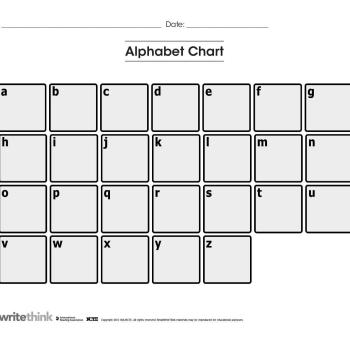
Alphabet Chart
This alphabet chart has many possibilities for helping your students learn and review their letters, sounds, phonemes, and word formations.

Essay Map
Use this graphic organizer to develop an outline for an essay that includes an introductory statement, main ideas, supporting details, and a conclusion.

Making Connections
In this strategy guide, you'll learn to model how students can make three different kinds of connections (text-to-text, text-to-self, text-to-world). Students then use this knowledge to find their own personal connections to a text.

Introducing New Content with Seed Discussions
In this strategy guide, you'll learn how to elicit ideas and conversation about new concepts or content by effectively holding a Seed Discussion in your classroom.

Brainstorming and Reviewing Using the Carousel Strategy
This strategy guide introduces Carousel Brainstorming, also known as Rotating Review, and offers suggestions to implement this technique in your classroom for brainstorming about new topics or reviewing learned information.