ReadWriteThink - Powered by NCTE
  • About
  • Classroom Resources
    • Lesson Plans
    • Teaching Comics
    • Teaching With Primary Resources
    • Calendar
    • Printouts
    • Student Interactives
  • Collections
    • Assessment
    • Authors
    • Booklists
    • Media Literacy
    • Poetry
    • Primary Sources
    • Writing
  • Professional Development
    • Strategy Guides
    • Professional Library
    • Meetings & Events
  • Join NCTE
  • Contact Us
  • About
  • Classroom Resources
    • Lesson Plans
    • Teaching Comics
    • Teaching With Primary Resources
    • Calendar
    • Printouts
    • Student Interactives
  • Collections
    • Assessment
    • Authors
    • Booklists
    • Media Literacy
    • Poetry
    • Primary Sources
    • Writing
  • Professional Development
    • Strategy Guides
    • Professional Library
    • Meetings & Events
  • Join NCTE
  • Contact Us
  • Facebook
  • Twitter
  • Instagram
  • Pinterest
  • YouTube

Breadcrumb

  1. Home

Type

  • Classroom Resources
  • Professional Development

Grades

  • 1 (105)
  • 2 (112)
  • 3 (166)
  • 4 (174)
  • 5 (198)
  • 6 (219)
  • 7 (231)
  • 8 (232)
  • 9 (239)
  • 10 (235)
  • 11 (228)
  • 12 (228)
  • K (94)

Learning Objectives

  • (-) Vocabulary (191)
  • (-) writing genres (382)
  • collaboration (458)
  • Comprehension (508)
  • critical thinking (649)
  • digital literacy (154)
  • Grammar (57)
  • inquiry / research (350)
  • listening (182)
  • literary analysis (367)
  • Media literacy (205)
  • metacognition (302)
  • multicultural awareness (113)
  • multimodal literacy (260)
  • oral communication (224)
  • phonological awareness (61)
  • print awareness (89)
  • reading fluency (67)
  • reading genres (290)
  • Spelling (51)
  • text structure / story structure (242)
  • writing process (421)

Topics

  • arts
  • careers
  • community
  • drama
  • ELL
  • Family
  • fiction
  • Mathematics
  • Mobile Learning
  • nonfiction
  • poetry
  • science
  • seasons / holidays
  • social action
  • social studies / history
  • Sports
  • STEM
Grades
6 - 8
|
Lesson Plan
|
Standard Lesson
Using the Four-Square Strategy to Define and Identify Poetic Terms
How do poets play with language? Students will explore some answers to this question as they search through poems for examples of alliteration, assonance, simile, and rhyme.

Grades
3 - 5
|
Lesson Plan
|
Standard Lesson
Figurative Language: Teaching Idioms
It's raining cats and dogs! Students explore figurative language through read-alouds, teacher modeling, and student-centered activities, further developing their understanding of the literal versus the metaphorical translations of idioms.

Grades
6 - 8
|
Lesson Plan
|
Recurring Lesson
Flip-a-Chip: Examining Affixes and Roots to Build Vocabulary

Do your students detest having to define vocabulary words? Don"t confine them to worksheets—turn the study of affixes and roots into a hands-on contest to create context-rich vocabulary puzzles.

Grades
K - 2
|
Lesson Plan
|
Standard Lesson
The Big Green Monster Teaches Phonics in Reading and Writing
A big green monster helps students build their reading fluency and word recognition skills through choral reading, literacy center activities, and writing stories.
Grades
K - 2
|
Lesson Plan
|
Unit
Teaching Audience Through Interactive Writing
Through interactive writing, students work together and then independently to create invitation letters for a group of their peers and their families.
Catching the Bug for Reading Through Interactive Read-Alouds
Grades
K - 1
|
Lesson Plan
|
Recurring Lesson
Catching the Bug for Reading Through Interactive Read-Alouds

Students learn about story structure, new vocabulary, and a variety of reading strategies by participating in an interactive read-aloud of Miss Bindergarten Stays Home From Kindergarten by Joseph Slate.

Guided Comprehension: Knowing How Words Work Using Semantic Feature Analysis
Grades
3 - 6
|
Lesson Plan
|
Recurring Lesson
Guided Comprehension: Knowing How Words Work Using Semantic Feature Analysis
Based on the Guided Comprehension Model developed by Maureen McLaughlin and Mary Beth Allen, this lesson introduces students to the comprehension strategy of knowing how words work.

Using Writing and Role-Play to Engage the Reluctant Writer
Grades
3 - 5
|
Lesson Plan
|
Standard Lesson
Using Writing and Role-Play to Engage the Reluctant Writer
What does the world look like through a javelina's eyes? Students become javelinas in this lesson when they analyze a character and write from his or her perspective.
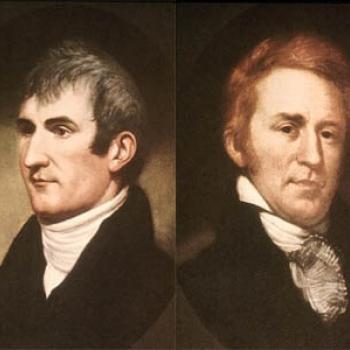
Exploring Cross-Age Tutoring Activities With Lewis and Clark
Grades
9 - 12
|
Lesson Plan
|
Standard Lesson
Exploring Cross-Age Tutoring Activities With Lewis and Clark
Interaction and adventure draws high school and elementary school students together as they analyze stories about the Lewis and Clark expedition.
Everyone Loves a Mystery: A Genre Study
Grades
6 - 8
|
Lesson Plan
|
Unit
Everyone Loves a Mystery: A Genre Study

Students track the elements of mystery stories through Directed Learning-Thinking Activities, story maps, and puzzles. Then they offer clues for other readers as they plan and write original mystery stories.

Word Sorts for Beginning and Struggling Readers
Grades
K - 2
|
Lesson Plan
|
Standard Lesson
Word Sorts for Beginning and Struggling Readers
Students are introduced to short-vowel word families and learn to sort words alone and with a partner using the Word Family Sort activity.
What Did They Say? Dialect in <em>The Color Purple</em>
Grades
9 - 12
|
Lesson Plan
What Did They Say? Dialect in The Color Purple
Y'all set down a spell and learn ‘bout dialects!" In other words, your students will use The Color Purple to explore dialect and how it reveals information about the characters.
Using Historical Fiction to Learn About the Civil War
Grades
3 - 5
|
Lesson Plan
|
Standard Lesson
Using Historical Fiction to Learn About the Civil War
Students in grades 4 and 5 discuss inferential comprehension and visualization as they use a think-aloud questioning strategy to develop a deeper understanding of a historical novel.
Grades
K - 2
|
Lesson Plan
|
Standard Lesson
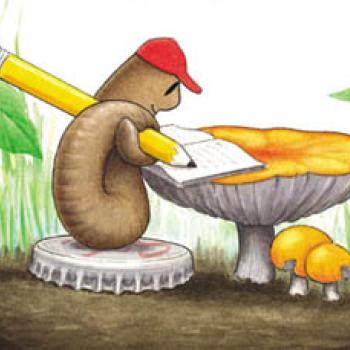
Fact or Fiction: Learning About Worms Using Diary of a Worm
Students often believe that fiction writers make everything up, seldom realizing how research worms its way into entertaining writing. In this lesson, students read Diary of a Worm to find out how fact merges with fiction.
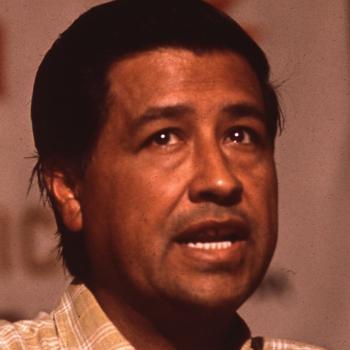
Writing Free Verse in the "Voice" of Cesar Chavez
Grades
6 - 8
|
Lesson Plan
|
Standard Lesson
Writing Free Verse in the "Voice" of Cesar Chavez
Poetry and politics combine in this lesson where students write a free verse poem in the voice of Cesar Chavez.

Going on a Shape Hunt: Integrating Math and Literacy
Grades
K - 2
|
Lesson Plan
|
Standard Lesson
Going on a Shape Hunt: Integrating Math and Literacy
Students participate in a scavenger hunt for shapes; reading, writing, and discussion of shapes encourage literacy and math skills.

Telling a Story About Me: Young Children Write Autobiographies
Grades
K - 2
|
Lesson Plan
|
Unit
Telling a Story About Me: Young Children Write Autobiographies
Students tell their life stories in this lesson about autobiographies based on family photographs.
Astronomy Poetry: Combining Poetry With the Content Areas
Grades
6 - 8
|
Lesson Plan
|
Unit
Astronomy Poetry: Combining Poetry With the Content Areas
Students' responses to this lesson will be out of this world after they've researched astronomy to write poetry and compile a poetry book.

Vote for Me! Developing, Writing, and Evaluating Persuasive Speeches
Grades
4 - 5
|
Lesson Plan
|
Standard Lesson
Vote for Me! Developing, Writing, and Evaluating Persuasive Speeches
This lesson encourages students in grades 4 and 5 to think critically and write persuasively by focusing on preparing, presenting, and evaluating mock campaign speeches.

You Can't Spell the Word <em>Prefix</em> Without a Prefix
Grades
6 - 8
|
Lesson Plan
|
Standard Lesson
You Can't Spell the Word Prefix Without a Prefix
Students explore the role of prefixes, as well as their origins and meanings, and examine how the understanding of prefixes can improve comprehension, decoding, and spelling.

Pagination

  • First page « First
  • Previous page ‹‹
  • …
  • Page 12
  • Page 13
  • Page 14
  • Page 15
  • Page 16
  • Page 17
  • Page 18
  • Page 19
  • Page 20
  • …
  • Next page ››
  • Last page Last »

Explore Resources by Grade

  • KindergartenK
  • 1-2
  • 3-4
  • 5-6
  • 7-8
  • 9-10
  • 11-12

RWT-logo

Powered By NCTE

Footer 1 Menu

  • About
  • Classroom Resources
  • Professional Development
  • Collections
  • Contact Us

Footer 2 Menu

  • National Council of Teachers of English
  • Contribute to RWT
  • FAQs
  • Join NCTE

Footer 3 Menu

  • Legal Notices
  • Privacy Policy
  • Promotional Materials
  • Site Demonstrations

Want to stay in touch with RWT and NCTE? Sign up here!

  • Facebook
  • Twitter
  • Instagram
  • Pinterest
  • YouTube

© NCTE 2026. All rights reserved