Students get the inside scoop on a story when they create interview questions and answers for characters in the books they read.
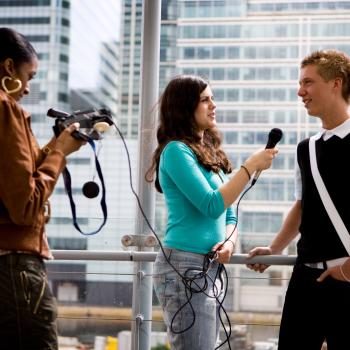
Lights, Camera, Action: Interviewing a Book Character

Alaska Native Stories: Using Narrative to Introduce Expository Text
Tradition and technology come together in this lesson in which students learn about Alaskan animals through Native American tales and their own online research.

Multimedia Responses to Content Area Topics Using Fact-"Faction"-Fiction
Students climb into the mind of a spider in this lesson that asks them to compose a spider diary using spider facts, fiction, and "faction"fiction that sounds like fact.

From Fact to Fiction: Drawing and Writing Stories
Students gather factual information about frogs and toads to create nonfiction and fiction stories. Drawing is used for prewriting.

The Big, Bad Wolf...Is This a Fact?
Reading is revamped in this lesson in which students use a multimedia approach to study the books by Seymour Simon.

Critical Media Literacy: Commercial Advertising
By looking at advertising and mass media critically, students begin to understand how the media oppresses certain groups, convinces people to purchase certain products, and influences culture.

Critical Media Literacy: TV Programs
By critically analyzing popular television programs, students develop an awareness of the messages that are portrayed through the media.

Exploring World Cultures Through Folk Tales
Journey around the world with students as they read a Japanese, African, or Welsh folk tale, create a visual depiction of the tale, research the tale's culture, and present findings.

In the Poet's Shoes: Performing Poetry and Building Meaning
Students take poetic license when they interpret William Carlos William's poem "The Red Wheelbarrow" to help create a poem of their own.
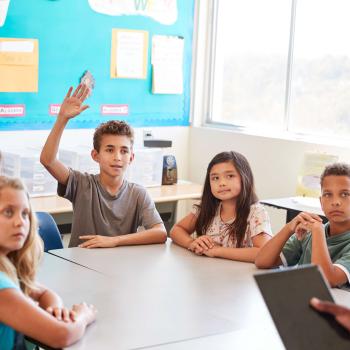
Building a Learning Community: Crafting Rules for the Classroom
Students will learn to mind their ps and qs in this lesson on etiquette and appropriate behavior in the classroom.

Is Superman Really All That Super? Critically Exploring Superheroes
What makes a superhero super? By comparing popular culture superheroes with heroic characters in children's literature, students learn to think critically about character traits, and consider how cultural perspectives influence the kinds of heroes we choose.

Digital Reflections: Expressing Understanding of Content Through Photography
Striking images can leave lasting impressions on viewers. In this lesson, students make textselfworld connections to a nature- or science-related topic as they collaboratively design a multimedia presentation.

A-Z: Learning About the Alphabet Book Genre
Students increase their understanding of alphabet books by participating in a variety of reading and writing activities.

Media Literacy: Examining the World of Television Teens
Pop culture and the classroom collide in this lesson when students go behind the scenes to analyze a television series for characterization to use in an original television show proposal.

Music and Me: Visual Representations of Lyrics to Popular Music
Students will whistle while they work on this lesson, creating a photomontage movie of their interpretation of a favorite song's lyrics that will end everyone's day on a high note.
Sharing Favorite Books Using Interactive Character Trading Cards
Using selected characters from a text of their choice, students put their literary analysis skills to work by creating fictional character trading cards.
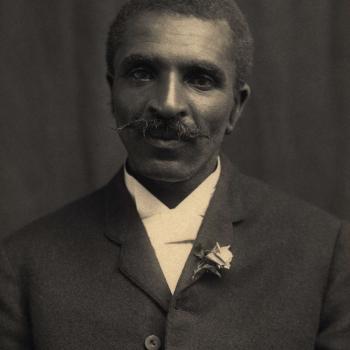
Great American Inventors: Using Nonfiction to Learn About Technology Inventions
Who are the people behind the world's greatest inventions? Students read biographies of a terrific trio of American inventors and create presentations that highlight how their inventions from the past impacted the future.

Bingo! Using Environmental Print to Practice Reading
The game Bingo is transformed in this lesson in which students use symbols and images to make connections to environmental print through the use of personalized Bingo cards.

Play Ball! Encouraging Critical Thinking Through Baseball Questions
Cooperation and critical thinking are the name of the game as students use baseball facts they find online to create trivia questions for a class Jeopardy game.