ReadWriteThink - Powered by NCTE
  • About
  • Classroom Resources
    • Lesson Plans
    • Teaching Comics
    • Teaching With Primary Resources
    • Calendar
    • Printouts
    • Student Interactives
  • Collections
    • Assessment
    • Authors
    • Booklists
    • Media Literacy
    • Poetry
    • Primary Sources
    • Writing
  • Professional Development
    • Strategy Guides
    • Professional Library
    • Meetings & Events
  • Join NCTE
  • Contact Us
  • About
  • Classroom Resources
    • Lesson Plans
    • Teaching Comics
    • Teaching With Primary Resources
    • Calendar
    • Printouts
    • Student Interactives
  • Collections
    • Assessment
    • Authors
    • Booklists
    • Media Literacy
    • Poetry
    • Primary Sources
    • Writing
  • Professional Development
    • Strategy Guides
    • Professional Library
    • Meetings & Events
  • Join NCTE
  • Contact Us
  • Facebook
  • Twitter
  • Instagram
  • Pinterest
  • YouTube

Breadcrumb

  1. Home

Type

  • Classroom Resources
  • Professional Development

Grades

  • 1 (108)
  • 2 (114)
  • 3 (185)
  • 4 (188)
  • 5 (213)
  • 6 (251)
  • 7 (256)
  • 8 (261)
  • 9 (275)
  • 10 (269)
  • 11 (260)
  • 12 (259)
  • K (98)

Learning Objectives

  • (-) multimodal literacy (260)
  • (-) writing process (421)
  • collaboration (458)
  • Comprehension (508)
  • critical thinking (649)
  • digital literacy (154)
  • Grammar (57)
  • inquiry / research (350)
  • listening (182)
  • literary analysis (367)
  • Media literacy (205)
  • metacognition (302)
  • multicultural awareness (113)
  • oral communication (224)
  • phonological awareness (61)
  • print awareness (89)
  • reading fluency (67)
  • reading genres (290)
  • Spelling (51)
  • text structure / story structure (242)
  • Vocabulary (191)
  • writing genres (382)

Topics

  • arts
  • careers
  • community
  • drama
  • ELL
  • Family
  • fiction
  • Mathematics
  • Mobile Learning
  • nonfiction
  • poetry
  • science
  • seasons / holidays
  • social action
  • social studies / history
  • Sports
  • STEM
Power Notes
Grades
Grades
6 - 12
|
Strategy Guide
Power Notes
The strategy examined in this Strategy Guide teaches students an outlining technique to help them differentiate between main ideas and details in their reading and writing.
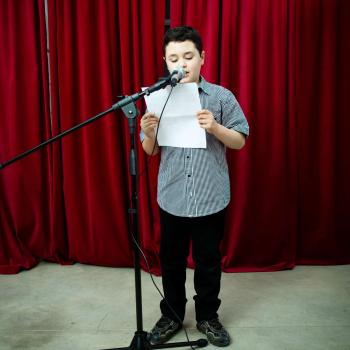
Performing Poetry
Grades
Grades
K - 5
|
Strategy Guide
Performing Poetry
Performing poetry incorporates oral reading, literature, and the performing arts. This strategy can benefit content area readers, English language learners, or learners with special needs.
Professional Knowledge for the Teaching of Writing
Grades
K - 12
|
Professional Library
|
Position Statement
Professional Knowledge for the Teaching of Writing

With full recognition that writing is an increasingly multifaceted activity, we offer several principles that should guide effective teaching practice.
New Visions for Linking Literature and Mathematics
Grades
K - 6
|
Professional Library
|
Book
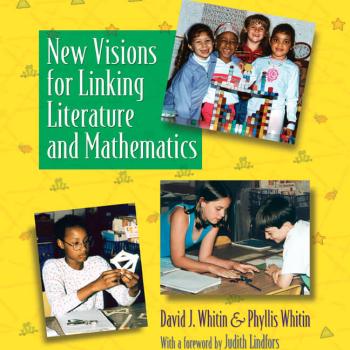
New Visions for Linking Literature and Mathematics
David and Phyllis Whitin offer K–6 teachers a wealth of ideas for integrating literature and mathematics.
Designing Writing Assignments
Grades
9 - 12
|
Professional Library
|
Book
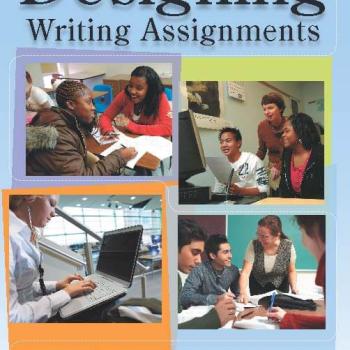
Designing Writing Assignments
Traci Gardner offers practical tips, starting points, and a companion website to help secondary and college teachers design effective writing assignments.
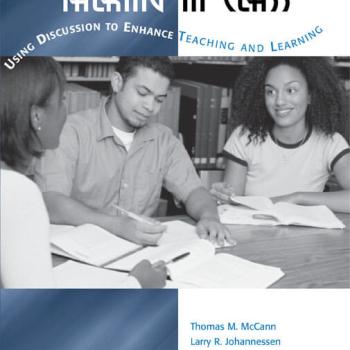
Talking in Class: Using Discussion to Enhance Teaching and Learning
Grades
9 - 12
|
Professional Library
|
Book
Talking in Class: Using Discussion to Enhance Teaching and Learning
The authors guide high school teachers in developing skills in promoting and facilitating authentic discussion in the English language arts classroom.
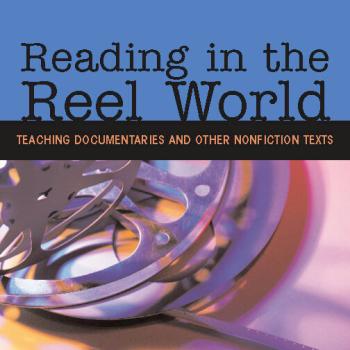
Reading in the Reel World: Teaching Documentaries and Other Nonfiction Texts
Grades
7 - 12
|
Professional Library
|
Book
Reading in the Reel World: Teaching Documentaries and Other Nonfiction Texts
John Golden offers middle and high school teachers a practical guide for using documentary film in the classroom to improve students' reading, writing, and thinking skills.
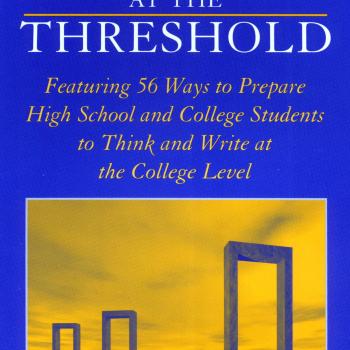
Writing at the Threshold: Featuring 56 Ways to Prepare High School and College Students to Think and Write at the College Level
Grades
11 - 12
|
Professional Library
|
Book
Writing at the Threshold: Featuring 56 Ways to Prepare High School and College Students to Think and Write at the College Level
This book offers both an eloquent philosophy of composition instruction and a useful set of classroom-tested teaching ideas distilled from the author's 28 years of teaching writing.
What Is "College-Level" Writing?
Grades
9 - 12
|
Professional Library
|
Book
What Is "College-Level" Writing?
Just what defines "college-level" writing? This collection seeks to engage this essential question with care, patience, and pragmatism.
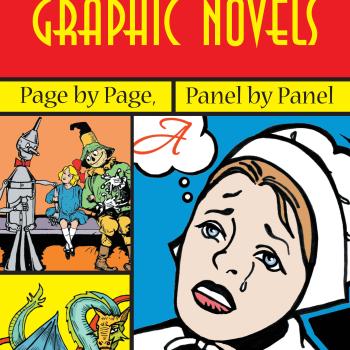
Building Literacy Connections with Graphic Novels: Page by Page, Panel by Panel
Grades
7 - 12
|
Professional Library
|
Book
Building Literacy Connections with Graphic Novels: Page by Page, Panel by Panel
This collection of essays by classroom teachers demonstrates how to pair graphic novels with classic literature (including both canonical and YA lit).
Reading in the Dark: Using Film as a Tool in the English Classroom
Grades
9 - 12
|
Professional Library
|
Book
Reading in the Dark: Using Film as a Tool in the English Classroom
In this practical guide, John Golden makes direct links between film and literary study by addressing reading strategies (e.g., predicting, responding, questioning) and key aspects of textual analysis.
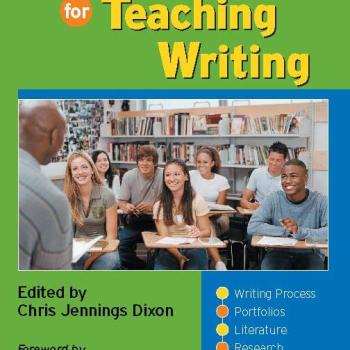
Lesson Plans for Teaching Writing
Grades
8 - 12
|
Professional Library
|
Book
Lesson Plans for Teaching Writing
This collection of lesson plans will help prepare high school and college students for college-level writing.
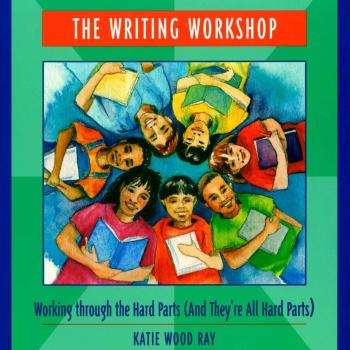
The Writing Workshop: Working through the Hard Parts (And They're All Hard Parts)
Grades
K - 8
|
Professional Library
|
Book
The Writing Workshop: Working through the Hard Parts (And They're All Hard Parts)
A practical, comprehensive, and illuminating guide for both new and experienced teachers that confronts the challenges of the writing workshop head-on.
6 - 12

The Major Impact of Minor Characters in the Lives of Immigrant Heroes

Teaching Comics
Translating Poetry into Comics
9 - 12

From Verse to Visual: Translating Poetry into Comics

Teaching Comics
6 - 12

Create a Comic Book Vignette of Immigration to the US

Teaching Comics
6 - 12

Write an Illustrated “I Am” Poem in Comic-Book Style

Teaching Comics
9 - 12

Show, Don’t Tell: Implied Meaning and Subtext with Evidence

Teaching Comics
6 - 12

A Different Point of View for a Comic

After reading Great Immigrants, Great Americans: The Comic Book, students will revise a comic from the perspective of another character in the original story, allowing the new narrator to be the main character.

Teaching Comics
6 - 12

Questions All Around: A Collection of Questions for Graphic Novel Stories from Great Immigrants, Great Americans

Teaching Comics

Pagination

  • First page « First
  • Previous page ‹‹
  • …
  • Page 12
  • Page 13
  • Page 14
  • Page 15
  • Page 16
  • Page 17
  • Page 18
  • Page 19
  • Page 20
  • …
  • Next page ››
  • Last page Last »

Explore Resources by Grade

  • KindergartenK
  • 1-2
  • 3-4
  • 5-6
  • 7-8
  • 9-10
  • 11-12

RWT-logo

Powered By NCTE

Footer 1 Menu

  • About
  • Classroom Resources
  • Professional Development
  • Collections
  • Contact Us

Footer 2 Menu

  • National Council of Teachers of English
  • Contribute to RWT
  • FAQs
  • Join NCTE

Footer 3 Menu

  • Legal Notices
  • Privacy Policy
  • Promotional Materials
  • Site Demonstrations

Want to stay in touch with RWT and NCTE? Sign up here!

  • Facebook
  • Twitter
  • Instagram
  • Pinterest
  • YouTube

© NCTE 2026. All rights reserved