ReadWriteThink - Powered by NCTE
  • About
  • Classroom Resources
    • Lesson Plans
    • Teaching Comics
    • Teaching With Primary Resources
    • Calendar
    • Printouts
    • Student Interactives
  • Collections
    • Assessment
    • Authors
    • Booklists
    • Media Literacy
    • Poetry
    • Primary Sources
    • Writing
  • Professional Development
    • Strategy Guides
    • Professional Library
    • Meetings & Events
  • Join NCTE
  • Contact Us
  • About
  • Classroom Resources
    • Lesson Plans
    • Teaching Comics
    • Teaching With Primary Resources
    • Calendar
    • Printouts
    • Student Interactives
  • Collections
    • Assessment
    • Authors
    • Booklists
    • Media Literacy
    • Poetry
    • Primary Sources
    • Writing
  • Professional Development
    • Strategy Guides
    • Professional Library
    • Meetings & Events
  • Join NCTE
  • Contact Us
  • Facebook
  • Twitter
  • Instagram
  • Pinterest
  • YouTube

Breadcrumb

  1. Home

Type

  • Classroom Resources
  • Professional Development

Grades

  • 1 (108)
  • 2 (114)
  • 3 (185)
  • 4 (188)
  • 5 (213)
  • 6 (251)
  • 7 (256)
  • 8 (261)
  • 9 (275)
  • 10 (269)
  • 11 (260)
  • 12 (259)
  • K (98)

Learning Objectives

  • (-) multimodal literacy (260)
  • (-) writing process (421)
  • collaboration (458)
  • Comprehension (508)
  • critical thinking (649)
  • digital literacy (154)
  • Grammar (57)
  • inquiry / research (350)
  • listening (182)
  • literary analysis (367)
  • Media literacy (205)
  • metacognition (302)
  • multicultural awareness (113)
  • oral communication (224)
  • phonological awareness (61)
  • print awareness (89)
  • reading fluency (67)
  • reading genres (290)
  • Spelling (51)
  • text structure / story structure (242)
  • Vocabulary (191)
  • writing genres (382)

Topics

  • arts
  • careers
  • community
  • drama
  • ELL
  • Family
  • fiction
  • Mathematics
  • Mobile Learning
  • nonfiction
  • poetry
  • science
  • seasons / holidays
  • social action
  • social studies / history
  • Sports
  • STEM
Teaching the Epic through Ghost Stories
Grades
9 - 12
|
Lesson Plan
|
Standard Lesson
Teaching the Epic through Ghost Stories
In this lesson, students connect to the oral tradition of epic storytellers by sharing their own oral tales of ghosts and goblins and monsters.
Comics in the Classroom as an Introduction to Narrative Structure
Grades
3 - 5
|
Lesson Plan
|
Standard Lesson
Comics in the Classroom as an Introduction to Narrative Structure
This lesson uses comic strip frames to define plot and reinforce the structure that underlies a narrative. Students finish by writing their own original narratives.

Collaborative Stories 2: Revising
Grades
K - 2
|
Lesson Plan
|
Minilesson
Collaborative Stories 2: Revising

Using a collaborative story written by students, the teacher leads a shared-revising activity to help students consider content when revising, with students participating in the marking of text revisions.

Collaborative Stories 1: Prewriting and Drafting
Grades
K - 2
|
Lesson Plan
|
Standard Lesson
Collaborative Stories 1: Prewriting and Drafting

Students hone their teamwork skills and play off each other's writing strengths as they participate in prewriting activities for a story to be written collaboratively by the whole class.
Style: Translating Stylistic Choices from Hawthorne to Hemingway and Back Again
Grades
9 - 12
|
Lesson Plan
|
Standard Lesson
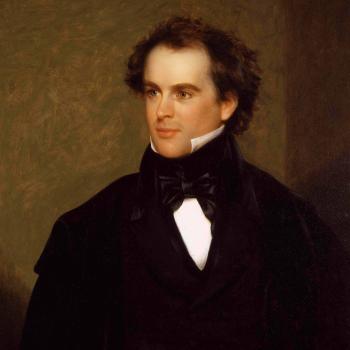
Style: Translating Stylistic Choices from Hawthorne to Hemingway and Back Again
After exploring the styles of two authors, students translate passages from one author into the style of another. They then translate fables into the style of one of the authors.
Grades
9 - 12
|
Lesson Plan
|
Standard Lesson
Comic Makeovers: Examining Race, Class, Ethnicity, and Gender in the Media
Students explore stereotypes in the media and representations of race, class, ethnicity, and gender by analyzing comics over a two-week period and then re-envisioning them with a "comic character makeover."

Novel News: Broadcast Coverage of Character, Conflict, Resolution, and Setting
Grades
9 - 12
|
Lesson Plan
|
Standard Lesson
Novel News: Broadcast Coverage of Character, Conflict, Resolution, and Setting
This twist on readers theater has students prepare original news programs based on incidents in a recent reading, as they explore standard literary elements of character, conflict, resolution, and setting.
Grades
6 - 8
|
Lesson Plan
|
Standard Lesson
Book Report Alternative: Comic Strips and Cartoon Squares
Students must think critically to create comic strips highlighting six important scenes from a book they have read.

Doodle Splash: Using Graphics to Discuss Literature
Grades
6 - 8
|
Lesson Plan
|
Standard Lesson
Doodle Splash: Using Graphics to Discuss Literature

Students keep a doodle journal while reading short stories by a common author. In small groups, students then combine their doodles into a graphic representation of the text.
Comics in the Classroom as an Introduction to Genre Study
Grades
3 - 5
|
Lesson Plan
|
Standard Lesson
Comics in the Classroom as an Introduction to Genre Study
Multidimensional, challenging, and popular with students, comics provide an excellent way to introduce the concept of genres.
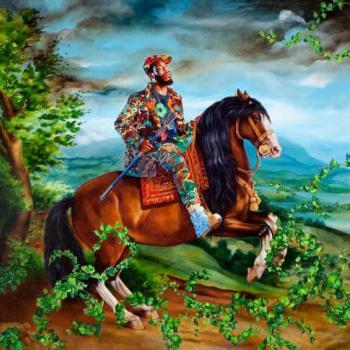
Locating Purpose in Allusion through Art and Poetry
Grades
9 - 12
|
Lesson Plan
|
Standard Lesson
Locating Purpose in Allusion through Art and Poetry
Through this lesson, students will learn how to use the literary term "allusion" in discussing how and why authors and artists draw on and transform subject material.

Talking Poetry with Blabberize
Grades
4 - 8
|
Lesson Plan
|
Standard Lesson
Talking Poetry with Blabberize

Students will be motivated to share their poetry through an online tool the features recording and animation.

Book Report Alternative: Rewind the Plot!
Grades
6 - 12
|
Lesson Plan
|
Standard Lesson
Book Report Alternative: Rewind the Plot!
In this alternative to the traditional book report, students report on their novel choices by rewinding the plot.
Prove It!: A Citation Scavenger Hunt
Grades
6 - 12
|
Lesson Plan
|
Minilesson
Prove It!: A Citation Scavenger Hunt
Students are challenged to find citations that support details about the characters, plot, or themes from a text.

Grades
6 - 10
|
Lesson Plan
|
Standard Lesson
Blending the Past with Today's Technology: Using Prezi to Prepare for Historical Fiction
To prepare for literature circles featuring historical novels, students research the decades of the 1930s to the 1990s and share their information using Prezi, a web application for creating multimedia presentations.
Vote for Me!  Making Presidential Commercials Using Avatars
Grades
6 - 12
|
Lesson Plan
|
Standard Lesson
Vote for Me! Making Presidential Commercials Using Avatars
After researching political platforms of past presidents through primary sources and other resources, students create commercials for these presidents using Voki, an online web tool that produces speaking avatars.

Animate that Haiku!
Grades
5 - 8
|
Lesson Plan
|
Standard Lesson
Animate that Haiku!
Following the traditional form of the haiku, students publish their own haikus using Animoto, an online web tool to produce slideshows that blend text and music.
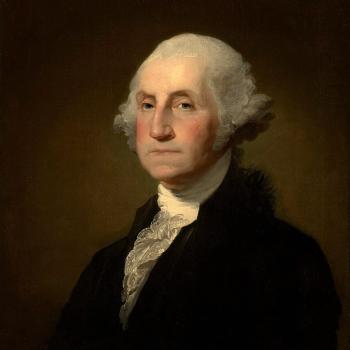
What Did George Post Today?  Learning About People of the American Revolution Through Facebook
Grades
6 - 12
|
Lesson Plan
|
Standard Lesson
What Did George Post Today? Learning About People of the American Revolution Through Facebook
After researching famous people of the American Revolution, students create Facebook-like PowerPoint presentations to share their knowledge with classmates.
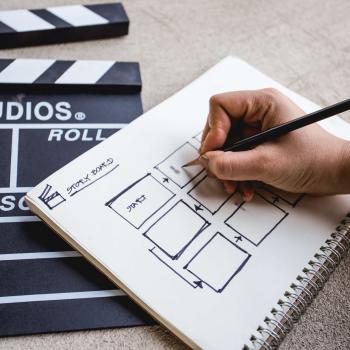
From Text to Film: Exploring Classic Literature Adaptations
Grades
8 - 12
|
Lesson Plan
|
Standard Lesson
From Text to Film: Exploring Classic Literature Adaptations
Students create storyboards to compare and contrast a book and its film adaptation.
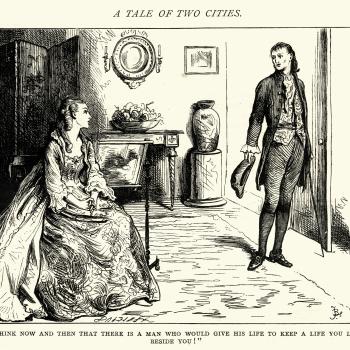
A Tale of a Few Text Messages: A Character Study of <i>A Tale of Two Cities</i>
Grades
9 - 12
|
Lesson Plan
|
Standard Lesson
A Tale of a Few Text Messages: A Character Study of A Tale of Two Cities
Students use A Tale of Two Cities to explore relationships, plot points, character traits, and background by writing text messages between characters within the novel.

Pagination

  • First page « First
  • Previous page ‹‹
  • …
  • Page 4
  • Page 5
  • Page 6
  • Page 7
  • Page 8
  • Page 9
  • Page 10
  • Page 11
  • Page 12
  • …
  • Next page ››
  • Last page Last »

Explore Resources by Grade

  • KindergartenK
  • 1-2
  • 3-4
  • 5-6
  • 7-8
  • 9-10
  • 11-12

RWT-logo

Powered By NCTE

Footer 1 Menu

  • About
  • Classroom Resources
  • Professional Development
  • Collections
  • Contact Us

Footer 2 Menu

  • National Council of Teachers of English
  • Contribute to RWT
  • FAQs
  • Join NCTE

Footer 3 Menu

  • Legal Notices
  • Privacy Policy
  • Promotional Materials
  • Site Demonstrations

Want to stay in touch with RWT and NCTE? Sign up here!

  • Facebook
  • Twitter
  • Instagram
  • Pinterest
  • YouTube

© NCTE 2026. All rights reserved