ReadWriteThink - Powered by NCTE
  • About
  • Classroom Resources
    • Lesson Plans
    • Teaching Comics
    • Teaching With Primary Resources
    • Calendar
    • Printouts
    • Student Interactives
  • Collections
    • Assessment
    • Authors
    • Booklists
    • Media Literacy
    • Poetry
    • Primary Sources
    • Writing
  • Professional Development
    • Strategy Guides
    • Professional Library
    • Meetings & Events
  • Join NCTE
  • Contact Us
  • About
  • Classroom Resources
    • Lesson Plans
    • Teaching Comics
    • Teaching With Primary Resources
    • Calendar
    • Printouts
    • Student Interactives
  • Collections
    • Assessment
    • Authors
    • Booklists
    • Media Literacy
    • Poetry
    • Primary Sources
    • Writing
  • Professional Development
    • Strategy Guides
    • Professional Library
    • Meetings & Events
  • Join NCTE
  • Contact Us
  • Facebook
  • Twitter
  • Instagram
  • Pinterest
  • YouTube

Breadcrumb

  1. Home

Type

  • Classroom Resources
  • Professional Development

Grades

  • 1 (19)
  • 2 (20)
  • 3 (36)
  • 4 (35)
  • 5 (42)
  • 6 (47)
  • 7 (46)
  • 8 (47)
  • 9 (59)
  • 10 (58)
  • 11 (56)
  • 12 (56)
  • K (18)

Learning Objectives

  • (-) writing process (126)
  • collaboration (153)
  • Comprehension (211)
  • critical thinking (213)
  • digital literacy (41)
  • Grammar (10)
  • inquiry / research (70)
  • listening (68)
  • literary analysis (202)
  • Media literacy (52)
  • metacognition (87)
  • multicultural awareness (40)
  • multimodal literacy (71)
  • oral communication (76)
  • phonological awareness (19)
  • print awareness (24)
  • reading fluency (22)
  • reading genres (158)
  • Spelling (14)
  • text structure / story structure (107)
  • Vocabulary (57)
  • writing genres (109)

Topics

  • (-) fiction
  • arts
  • careers
  • community
  • drama
  • ELL
  • Family
  • Mathematics
  • Mobile Learning
  • nonfiction
  • poetry
  • science
  • seasons / holidays
  • social action
  • social studies / history
  • Sports
  • STEM
Leading to Great Places in the Middle School Classroom
Grades
6 - 8
|
Lesson Plan
|
Standard Lesson
Leading to Great Places in the Middle School Classroom
Students examine leads in existing texts and create alternative leads for them before revising leads in their own writing.
Leading to Great Places in the Elementary Classroom
Grades
3 - 5
|
Lesson Plan
|
Standard Lesson
Leading to Great Places in the Elementary Classroom
Students examine great leads in children's literature before writing or revising a lead in their own writing.
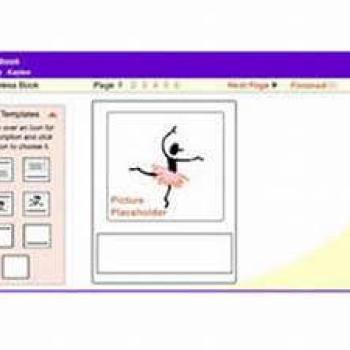
Stapleless Book
Grades
K - 12
|
Student Interactive
|
Writing & Publishing Prose
Stapleless Book

The Stapleless Book can be used for taking notes while reading, making picture books, collecting facts, or creating vocabulary booklets . . . the possibilities are endless!
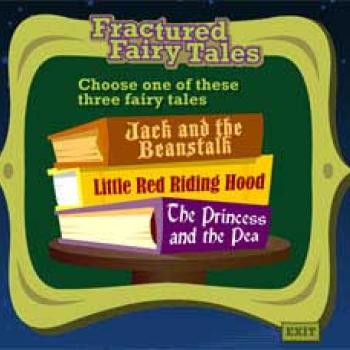
Fractured Fairy Tales
Grades
3 - 12
|
Student Interactive
|
Writing & Publishing Prose
Fractured Fairy Tales

The Fractured Fairy Tale tool encourages students to create their own fractured fairy tales.

Grades
9 - 12
|
Professional Library
|
Book
Tim O'Brien in the Classroom: "This too is true: Stories can save us"
As part of the NCTE High School Literature Series, Tim O'Brien in the Classroom focuses on opportunities for classroom discussion and writing assignments, including lessons, open-ended prompts, and student writing samples.
Grades
6 - 12
|
A Conversation with Kristin Cashore

Kristin Cashore is one of those rare authors whose books are deep and beautiful, and whose work helps readers gain perspective on their own lives. Tune in to hear about Kristin's process of writing Bitterblue, how music helps her with writing, and how she copes when writing gets hard.

RAFT Writing Template
Grades
5 - 12
|
Printout
|
Writing Starter
RAFT Writing Template
Students can utilize this printout to organize their writing as they learn to use the RAFT strategy. This printout enables students to clearly define their role, audience, format, and topic for writing.

Using the RAFT Writing Strategy
Grades
Grades
5 - 12
|
Strategy Guide
Using the RAFT Writing Strategy
This strategy guide introduces the RAFT technique and offers practical ideas for using this technique to teach students to experiment with various perspectives in their writing.
Supporting Student Comprehension in Content Area Reading
Grades
Grades
6 - 12
|
Strategy Guide
Supporting Student Comprehension in Content Area Reading
In this strategy guide, you'll learn a few simple, yet powerful, techniques to encourage students to use peer talk and writing to enhance their understanding of content area texts.
Facilitating Participation with Silent Conversations
Grades
Grades
5 - 12
|
Strategy Guide
Facilitating Participation with Silent Conversations
This guide introduces silent conversations, a collaborative learning technique that has students thinking, sharing, and reflecting about important questions—but through writing rather than talk.
The Art of the Doodle: Writing with Imagination
Grades
Grades
5 - 12
|
Strategy Guide
The Art of the Doodle: Writing with Imagination
Use independent, imaginative artwork and varied writing prompts to assess understanding of a given topic for a student body with differentiated needs.

Developing Evidence-Based Arguments from Texts
Grades
Grades
6 - 12
|
Strategy Guide
Developing Evidence-Based Arguments from Texts

This strategy guide clarifies the difference between persuasion and argumentation, stressing the connection between close reading of text to gather evidence and formation of a strong argumentative claim about text.

The Ten-Minute Play: Encouraging Original Response to Challenging Texts
Grades
9 - 12
|
Lesson Plan
|
Unit
The Ten-Minute Play: Encouraging Original Response to Challenging Texts
Students use both analytical and creative skills to adapt passages from a novel with significant internal dialogue and conflict, such as Toni Morrison's Beloved, into a ten-minute play.
The Importance of Titles: From Big Blank Space to Small Good Thing
Grades
9 - 12
|
Lesson Plan
|
Standard Lesson
The Importance of Titles: From Big Blank Space to Small Good Thing
After examining two sets of stories that author Raymond Carver renamed in revision, students write a reflective essay in which they defend their choice of a title for one them.

Rummaging for Fiction: Using Found Photographs and Notes to Spark Story Ideas
Grades
9 - 12
|
Lesson Plan
|
Standard Lesson
Rummaging for Fiction: Using Found Photographs and Notes to Spark Story Ideas
In this lesson, students use found notes and found photographs as inspiration to help them identify subjects, settings, characters, and conflicts for pieces of creative writing.
Exploring Change through Allegory and Poetry
Grades
6 - 8
|
Lesson Plan
|
Standard Lesson
Exploring Change through Allegory and Poetry

Students read an example of allegory, review literary concepts, complete literary elements maps and plot diagrams, create a pictorial allegory, and write diamante poems related to the theme of change.

Creative Outlining-From Freewriting to Formalizing
Grades
9 - 12
|
Lesson Plan
|
Standard Lesson
Creative Outlining-From Freewriting to Formalizing
After reading a short story, students use freewriting as a catalyst for a literary analysis essay.
Worth Its Weight: Letter Writing with "The Things They Carried"
Grades
9 - 12
|
Lesson Plan
|
Standard Lesson
Worth Its Weight: Letter Writing with "The Things They Carried"
This lesson uses a letter-writing activity based on Tim O'Brien's story "The Things They Carried" to build empathy as students examine the weight they symbolically carry in their own lives.

Exchanging Ideas by Sharing Journals: Interactive Response in the Classroom
Grades
3 - 5
|
Lesson Plan
|
Standard Lesson
Exchanging Ideas by Sharing Journals: Interactive Response in the Classroom
Pairs of students respond to literature alternately in shared journals. Mini-lessons are presented on responding to prompts, creating dialogue, adding drawings, and asking and answering questions.
Developing Characterization in Raymond Carver's "A Small, Good Thing"
Grades
9 - 12
|
Lesson Plan
|
Standard Lesson
Developing Characterization in Raymond Carver's "A Small, Good Thing"
Students read Raymond Carver's story "A Small, Good Thing," focusing on characterization in order to develop one of the static characters—the hit-and-run driver who causes Scotty's death—more fully.

Pagination

  • First page « First
  • Previous page ‹‹
  • Page 1
  • Page 2
  • Page 3
  • Page 4
  • Page 5
  • Page 6
  • Page 7
  • Next page ››
  • Last page Last »

Explore Resources by Grade

  • KindergartenK
  • 1-2
  • 3-4
  • 5-6
  • 7-8
  • 9-10
  • 11-12

RWT-logo

Powered By NCTE

Footer 1 Menu

  • About
  • Classroom Resources
  • Professional Development
  • Collections
  • Contact Us

Footer 2 Menu

  • National Council of Teachers of English
  • Contribute to RWT
  • FAQs
  • Join NCTE

Footer 3 Menu

  • Legal Notices
  • Privacy Policy
  • Promotional Materials
  • Site Demonstrations

Want to stay in touch with RWT and NCTE? Sign up here!

  • Facebook
  • Twitter
  • Instagram
  • Pinterest
  • YouTube

© NCTE 2026. All rights reserved