After reading several poets' personal responses to the September 11th terrorist attacks, students write a "then and now" poem that puts their early memories of the event in conversation with their current understanding of and response to the tragedy.
Responding to Tragedy: Then and Now

Literature Response in Primary Classrooms
This step-by-step literature response template for use with read-alouds asks students to use drawing and writing to respond to increasingly-complex prompts which address literary elements as well as personal connections.
Audience & Purpose: Evaluating Disney's Changes to the Hercules Myth
What drives changes to classic myths and fables? In this lesson students evaluate the changes Disney made to the myth of "Hercules" in order to achieve their audience and purpose.
Active Reading through Self-Assessment: The Student-Made Quiz
This recurring lesson encourages students to comprehend their reading through inquiry and collaboration. They choose important quotations from the text and work in groups to formulate "quiz" questions that their peers will answer.
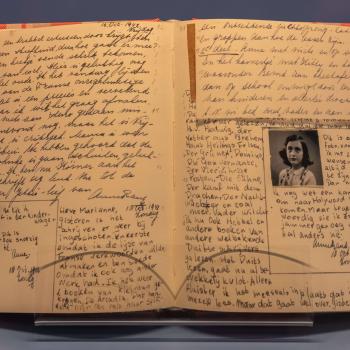
Writing for Audience: The Revision Process in The Diary of Anne Frank
After reading or viewing The Diary of Anne Frank, students will make connections between audience and purpose and revise a journal entry with an outside audience in mind.

Developing Citizenship Through Rhetorical Analysis
Students analyze rhetorical strategies in online editorials, building knowledge of strategies and awareness of local and national issues. This lesson teaches students connections between subject, writer, and audience and how rhetorical strategies are used in everyday writing.
A Picture IS Worth a Thousand Words: Using Infographics to Illustrate How-to Writing
Students write step-by-step instructions on topics of their own choosing. Then using Piktochart, students create their own infographics to illustrate their instructions.

Picture This: Combining Infographics and Argumentative Writing
After researching topics that the students have chosen, students write argumentative essays. Then, using Piktochart, students create their own infographics to illustrate their research.

For Argument's Sake: Playing "Devil's Advocate" with Nonfiction Texts
Students learn how to play "devil's advocate" by evaluating sports reforms, reading an engaging non-fiction article, and participating in a town hall meeting in which they represent the interests of various stakeholders to generate debate and develop critical thinking skills.

Book Report Alternative: Sharing Info from Informational Reading
Reporting on an informational book doesn't have to be boring! Instead of the traditional book report format, students create newspapers using a Printing Press interactive to share what they have learned from reading informational books.
Making the Cut: Revising Memoirs by Detecting Clutter and Confusion
Students improve a slide show by removing pictures. Their reasons for cutting pictures are translated into revision guidelines for cutting unnecessary words and sections from their rough drafts.
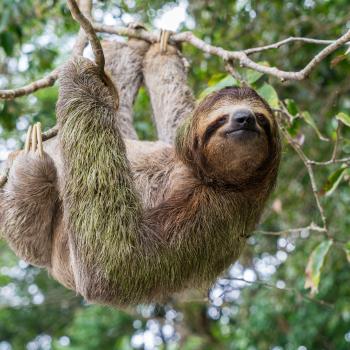
Investigating Animals: Using Nonfiction for Inquiry-based Research
Inspired by their curiosity about animals, students work together to research an animal of their choice and present the information they gather to an authentic audience.
Adventures in Nonfiction: A Guided Inquiry Journey
Students are guided through an informal exploration of nonfiction texts and child-oriented Websites, learning browsing and skimming techniques for the purpose of gathering interesting information.
Research Building Blocks: "Cite Those Sources!"
Students learn the importance of crediting others for their words and ideas, and then learn the paraphrasing and citation skills necessary to avoid plagiarism.

Research Building Blocks: Notes, Quotes, and Fact Fragments
Students are guided through the process of taking notes while reading factual information, then turning those notes into new sentences and paragraphs written in their own words.
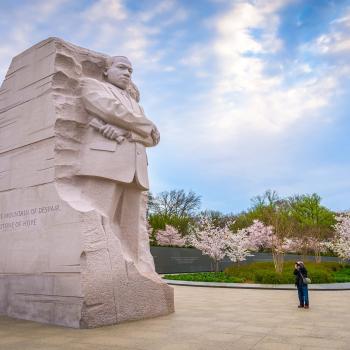
How Big Are Martin's Big Words? Thinking Big about the Future
Inspired by the book Martin's Big Words, students explore information on Dr. King to think about his "big" words, then they write about their own "big" words and dreams.
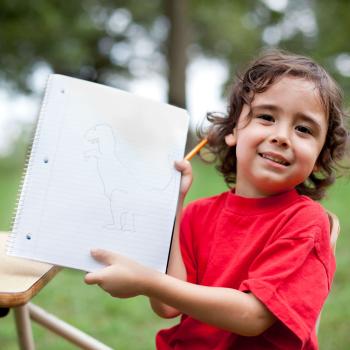
Writing Reports in Kindergarten? Yes!
This lesson encourages young students to see themselves as writers with a message to convey. Three types of reports are provided to show what kindergartners and emergent writers can do.
Writing and Assessing an Autobiographical Incident
Students build upon their knowledge of biographies to write their own autobiographical incident. After going through a process of revision, they use a rubric to assess their work.
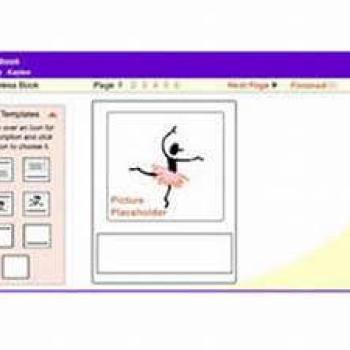
Stapleless Book
The Stapleless Book can be used for taking notes while reading, making picture books, collecting facts, or creating vocabulary booklets . . . the possibilities are endless!

Tim O'Brien in the Classroom: "This too is true: Stories can save us"
As part of the NCTE High School Literature Series, Tim O'Brien in the Classroom focuses on opportunities for classroom discussion and writing assignments, including lessons, open-ended prompts, and student writing samples.