It's not easy surviving fourth grade (or third or fifth)! In this lesson, students brainstorm survival tips for future fourth graders and incorporate those tips into an essay.
How-To Writing: Motivating Students to Write for a Real Purpose
Delicious, Tasty, Yummy: Enriching Writing with Adjectives and Synonyms
Students thoroughly explore identifying synonyms and adjectives before using them to add variety and interest to their own writing.
What's in a Mystery? Exploring and Identifying Mystery Elements
Students identify the characteristics of mystery writing, outline a mystery story using a graphic organizer, write and revise their own mystery story, edit each other's work, and share their mysteries.

Dancing Minds and Shouting Smiles: Teaching Personification Through Poetry
Students learn about personification by reading and discussing poems and then brainstorm nouns and verbs to create personification in their own poems.
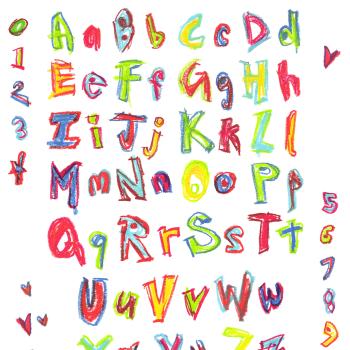
Alphabetizing With Original Stories
Students write original stories using alphabetical order, beginning each page with a new letter, and then illustrate their texts in class or at home with their families.

A Directed Listening-Thinking Activity for "The Tell-Tale Heart"
What's that sound? Students participate in a Directed ListeningThinking Activity (DLTA) using "The Tell-Tale Heart," make predictions, and respond in the form of an acrostic poem or comic strip.
Alliteration All Around
Students learn about alliteration, and then practice using alliteration in acrostic poems, tongue twisters, alphabet books, and number books.
All About Alliteration: Responding to Literature Through a Poetry Link
Studied students stupefy! Students learn about alliteration by listening to an alliterative read-aloud and apply the knowledge they gain to the creation of their own poem and illustration.

Theme Poems: Writing Extraordinary Poems About Ordinary Objects
Students select a familiar object online, build a bank of words related to the object, and write theme poems that are printed and displayed in class.

Reading, Writing, Haiku Hiking! A Class Book of Picturesque Poems
Students learn haiku
write descriptive poems
and share with the class.

Family Ties: Making Connections to Improve Reading Comprehension
Families are all about connections between people. In this lesson, students read three books about different families and make text-to-self, text-to-text, and text-to-world connections to those texts.
BioBags: Linking Literature and Life
Students create BioBags, a collection of texts that mark special times in their lives. BioBags provide a way for students to share a variety of events and texts.

Blogging With Photovoice: Sharing Pictures in an Integrated Classroom
Make the most of your students' diverse ability levels and experience with a prewriting activity in which they describe an abstract idea using blogging and photographs that they have taken.

Empowered Fiction Writers: Generating and Organizing Ideas for Story Writing
Do their minds go blank when they confront a blank piece of paper? Speedwriting can help students get started on writing and come up with topics to write about. They can then incorporate their key ideas and phrases into a narrative with the help of a graphic story organizer.
Get Cooking With Words! Creating a Recipe Using Procedural Writing
Students participate in read-alouds of books that exemplify effective word choice, explore how to choose words to best communicate an idea, and then write explicit instructions for a recipe.

This is My Story: Encouraging Students to Use a Unique Voice
What did the wolf think of Red Riding Hood? Once Upon a Fairy Tale offers his side of the story and more, providing vivid examples of how voice enlivens narrative. After comparing versions of the story, students apply the concept of voice to Fractured Fairy Tales and other writing activities.
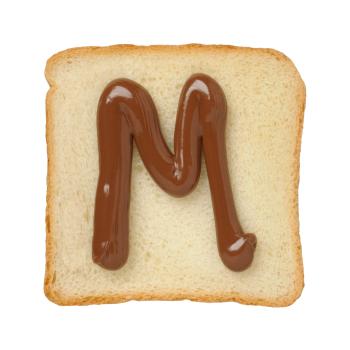
Phonics Through Literature: Learning About the Letter M
Students learn about phonics by focusing on the letter m and participating in an integrated array of activities, including reading, writing, mathematics, music, art, and technology.

E-pals Around the World
With e-pals, students develop real-life writing and social experiences, learn the format of a friendly letter and parts of an e-mail message, and discover other cultures, languages, and geographic areas.

Heroes Around Us
Students select, read about, and report on a hero and then identify how their hero matches certain criteria and characteristics. Hero reports are then compiled into a class book.
Using a Predictable Text to Teach High-Frequency Words
After reading an engaging yet predictable text about a child looking for his cat, students use a similar format and high-frequency words to craft tales about their own lost pets.