By conducting interviews, sharing and assessing data, and writing papers based on their authentic research, students reach their own conclusions on the meaning of the American Dream.

Chasing the Dream: Researching the Meaning of the American Dream
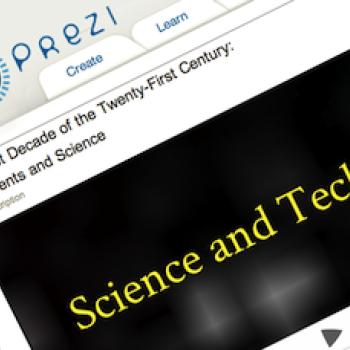
Blending the Past with Today's Technology: Using Prezi to Prepare for Historical Fiction
To prepare for literature circles featuring historical novels, students research the decades of the 1930s to the 1990s and share their information using Prezi, a web application for creating multimedia presentations.

The Passion of Punctuation
Using published writers' texts and students' own writing, this unit explores emotions that are associated with the artful and deliberate use of commas, semicolons, colons, and exclamation points (end-stop marks of punctuation).

Literature Response in Primary Classrooms
This step-by-step literature response template for use with read-alouds asks students to use drawing and writing to respond to increasingly-complex prompts which address literary elements as well as personal connections.

Exploring the Power of Language with Six-Word Memoirs
What do the words we write really have to say about us? In this lesson, students examine the power of word choice as they write six-word memoirs of their lives.

Sí, Se Puede: Making a Difference, One Letter at a Time
After reading the book ¡Si, Se Puede!/Yes, We Can!: Janitor Strike in L.A., students learn about labor unions, strikes, and organizing for change. Students interview staff members in their school to learn about their daily work life, and write persuasive advocacy letters.

Using Collaborative Reasoning to Support Critical Thinking
Students will participate in Collaborative Reasoning in small groups to discuss and think critically about issues of social justice and diversity by reading current events informational articles.
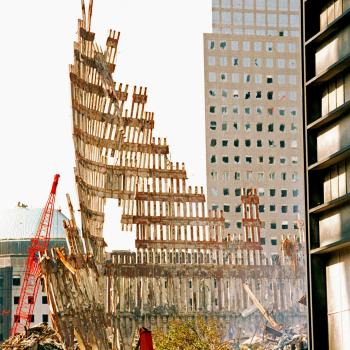
Huge Mistakes that Led to Catastrophe: Learning about Human-made Disasters throughout History
After researching various human-made disasters such as the BP oil spill, the sinking of the Titanic, and the Great Chicago Fire, students share their research in oral presentations. Then students pair up to compare and contrast their disasters using the Venn Diagram Student Interactive or the Venn diagram Mobile App.

Guess What's in the Bag: A Language-based Activity
Students play a guessing game to practice using descriptive language.
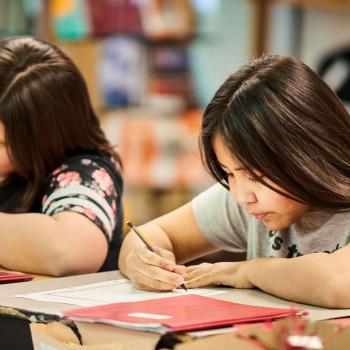
Peer Review: Narrative
This minilesson guides student in using the PQP techniquePraise–Question–Polishto offer concrete and useful peer review feedback.

Who's Got Mail? Using Literature to Promote Authentic Letter Writing
Students discuss and chart letter elements and write their own letters to adults at school, reinforcing letter-writing skills beyond the classroom lesson.
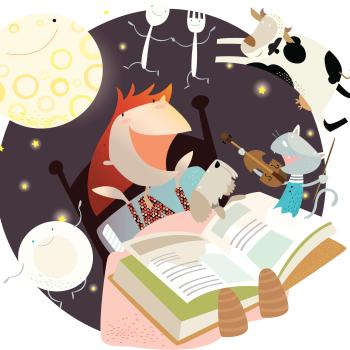
Growing Readers and Writers with Help from Mother Goose
Watch Mother Goose work her magic! This lesson uses nursery rhymes to help emergent readers remember the letters and their sounds and identify word chunks.

Draw a Story: Stepping from Pictures to Writing
Students draw a series of pictures that tell a story, including character action, problem and solution. They ‘read' their story to others, transcribe it into writing, and create an accordion book.

Seasonal Haiku: Writing Poems to Celebrate Any Season
After listening to haiku poetry, students use seasonal descriptive words to write their own haiku, following the traditional format. They then publish their poems by mounting them on illustrated backgrounds.

Have Journal...Will Travel: Promoting Family Involvement in Literacy
Students build positive memories of literacy activities when they take turns taking home a book bag stuffed with items to encourage literacy interactions with their families.

What's in a Name? Teaching Concepts of Letter and Word
In this recurring activity, the process of choosing a helper for the day becomes a literacy activity, with the helper's name as a starting place for reading and writing.

From Stop Signs to the Golden Arches: Environmental Print
Students bring the print-rich environment of the community into the classroom through the use of environmental print, enabling emergent readers to delight in the realization that they are indeed readers.

Introducing Each Other: Interviews, Memoirs, Photos, and Internet Research
Students use their communication and writing skills as they interview a partner, write an article about them, and create a multimodal presentation to introduce their partner to the class.

Rosa Parks was born on this day in 1913.
Rosa Parks was committed to the struggle for social justice and human rights until her death, inspiring millions of people around the world. Today, we celebrate her!
Read Across America Day: Celebrate a Nation of Diverse Readers
Bring the celebration of reading and literacy into your classroom, library, school, and home all year long.