In this Strategy Guide Series, you'll get information and ideas about teaching reading in the different content areas.

Reading in the Content Areas

Facilitating Participation with Silent Conversations
This guide introduces silent conversations, a collaborative learning technique that has students
thinking, sharing, and reflecting about important questions—but through writing rather than talk.

Conducting Inner-Outer Circle Discussions
This guide shares the steps to take to get more students talking by dividing the group into speaking and non-speaking circles.
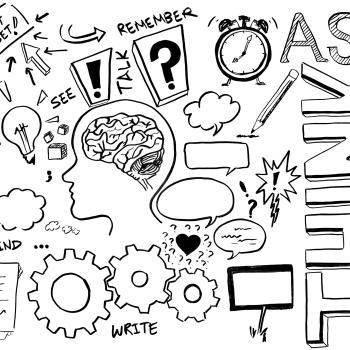
The Art of the Doodle: Writing with Imagination
Use independent, imaginative artwork and varied writing prompts to assess understanding of a given topic for a student body with differentiated needs.

Consensus Decision Making
This strategy guide introduces Consensus Decision Making, a method for facilitating and engaging students in a critical discussion of the central ideas of a text.

Developing Evidence-Based Arguments from Texts
This strategy guide clarifies the difference between persuasion and argumentation, stressing the connection between close reading of text to gather evidence and formation of a strong argumentative claim about text.

Using Partner Talk to Strengthen Student Collaboration and Understanding
In this strategy guide, you'll learn about Partner Talk—a way to provide students with another learning opportunity to make learning their own through collaboration and discussion.

Teaching with Zooming Slideshows through Prezi
Through Prezi, a web application, students create "zooming" presentations for various purposes, such as presenting research, defending an opinion, or sharing a digital story.

Guideline on The Students' Right to Read
The current edition of The Students' Right to Read is an adaptation and updating of the original Council statement, including "Citizen's Request for Reconsideration of a Work."
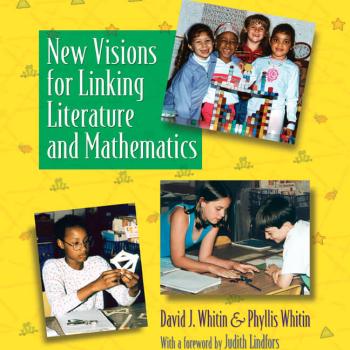
New Visions for Linking Literature and Mathematics
David and Phyllis Whitin offer K–6 teachers a wealth of ideas for integrating literature and mathematics.
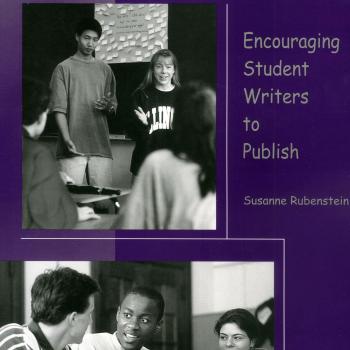
Go Public!: Encouraging Student Writers to Publish
Intended for middle and high school teachers, Go Public! offers specific writing ideas and classroom activities to help students develop the confidence and ability to publish in a wide market.
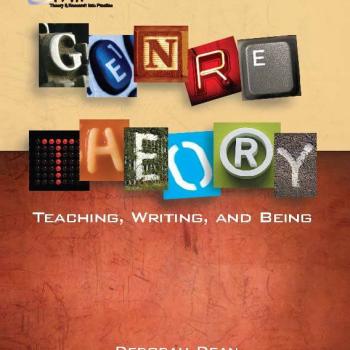
Genre Theory: Teaching, Writing, and Being
Dean synthesizes theory and research about genres and provides secondary-level teachers with practical classroom applications.
Designing Writing Assignments
Traci Gardner offers practical tips, starting points, and a companion website to help secondary and college teachers design effective writing assignments.
Wondrous Words: Writers and Writing in the Elementary Classroom
Katie Wood Ray explains in practical terms the theoretical underpinnings of how elementary and middle school students learn to write from their reading.

Tracking the Ways Writers Develop Heroes and Villains
Everyone knows that Star Wars character Darth Vader is a villain. This lesson asks students to explore how they know such things about heroes and villains they encounter in texts.

All's Well that Sells Well: A Creative Introduction to Shakespeare
Students compare attending a performance at The Globe Theater with attending a modern theater production or movie. They then create a commercial for an Elizabethan audience promoting a modern product.

The Ten-Minute Play: Encouraging Original Response to Challenging Texts
Students use both analytical and creative skills to adapt passages from a novel with significant internal dialogue and conflict, such as Toni Morrison's Beloved, into a ten-minute play.