Students write and record their own essays for a class blog by first completing a series of activities designed to get them thinking and writing about their experiences.

Giving Voice to Students Through "This I Believe" Podcasts
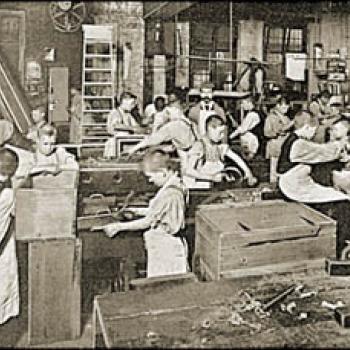
Giving Voice to Child Laborers Through Monologues
Students present monologues in the "voice" of someone involved in child labor in England, respond to questions, and then discuss contemporary child laborers and compare them to the past.
To, Too, or Two: Developing an Understanding of Homophones
The classroom becomes a stage in this interactive lesson in which students sing, act, and design comic strips to learn the meanings and spellings of common homophones.

Using Word Webs to Teach Synonyms for Commonly Used Words
Students use word webs to choose synonyms for generic adjectives and to learn to adjust their word usage for different contexts.
Using Songwriting to Build Awareness of Beginning Letter Sounds
"Bessie bird lives in a barn" in this lesson in which students create alliterative animal songs to help them learn letter names and consonant sounds and build phonemic awareness.

The Peace Journey: Using Process Drama in the Classroom
What does peace mean to you? In this lesson, students attempt to answer this question as they write and perform a short skit that reflects their ideas of peace.

I've Got the Literacy Blues
Students will be singing the blues in this lesson in which they identify themes from "The Gift of the Magi" and write and present blues poetry based on those themes.
Exploring Disability Using Multimedia and the B-D-A Reading Strategy
History takes on new dimensions in this interactive multimedia lesson that emphasizes the B-D-A approach to research as students investigate the experiences of people with disabilities since the early 1800s.
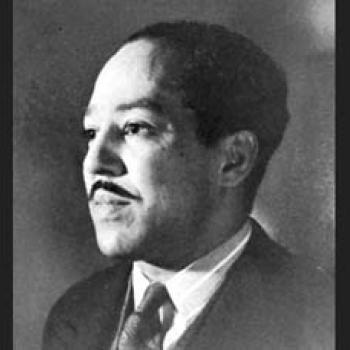
Discovering a Passion for Poetry With Langston Hughes
Through a study of Langston Hughes' poetry, students connect his writing to his place in history.
Guided Comprehension: Evaluating Using the Meeting of the Minds Technique
Based on the Guided Comprehension Model developed by Maureen McLaughlin and Mary Beth Allen, this lesson introduces students to the strategy of evaluating, using the Meeting of the Minds technique.

Biography Project: Research and Class Presentation
Classroom biography study offers high-interest reading with a purpose, as students begin with inquiry and research, summarize and organize their information, and prepare oral presentations to share with the class.

Guided Comprehension: Knowing How Words Work Using Semantic Feature Analysis
Based on the Guided Comprehension Model developed by Maureen McLaughlin and Mary Beth Allen, this lesson introduces students to the comprehension strategy of knowing how words work.

Let's Build a Snowman
In this lesson, students use both fiction and nonfiction texts, the Internet, and a K-W-L chart to learn about how animals survive the winter.

Spelling Cheerleading: Integrating Movement and Spelling Generalizations
"2-4-6-8, students will be spelling great" in this lesson that teaches the y rule for adding suffixes through cheering the spelling of words aloud, word sorts, and writing stories.
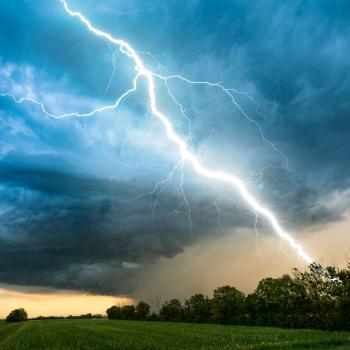
Weather: A Journey in Nonfiction
Questions about weather clear up when students use what they learned from their books to create a presentation to share with the rest of the class.
Using Writing and Role-Play to Engage the Reluctant Writer
What does the world look like through a javelina's eyes? Students become javelinas in this lesson when they analyze a character and write from his or her perspective.
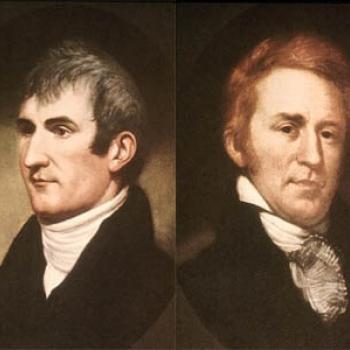
Exploring Cross-Age Tutoring Activities With Lewis and Clark
Interaction and adventure draws high school and elementary school students together as they analyze stories about the Lewis and Clark expedition.

Magazine Redux: An Exercise in Critical Literacy
Paper and pixels get compared in this lesson in which students compare both printed and online versions of a magazine.

Everyone Loves a Mystery: A Genre Study
Students track the elements of mystery stories through Directed Learning-Thinking Activities, story maps, and puzzles. Then they offer clues for other readers as they plan and write original mystery stories.

Diagram It! Identifying, Comparing, and Writing About Nonfiction Texts
Students compare the traits fact and fiction by using a Venn diagram to compare fiction and nonfiction books about Native Americans.