ReadWriteThink - Powered by NCTE
  • About
  • Classroom Resources
    • Lesson Plans
    • Teaching Comics
    • Teaching With Primary Resources
    • Calendar
    • Printouts
    • Student Interactives
  • Collections
    • Assessment
    • Authors
    • Booklists
    • Media Literacy
    • Poetry
    • Primary Sources
    • Writing
  • Professional Development
    • Strategy Guides
    • Professional Library
    • Meetings & Events
  • Join NCTE
  • Contact Us
  • About
  • Classroom Resources
    • Lesson Plans
    • Teaching Comics
    • Teaching With Primary Resources
    • Calendar
    • Printouts
    • Student Interactives
  • Collections
    • Assessment
    • Authors
    • Booklists
    • Media Literacy
    • Poetry
    • Primary Sources
    • Writing
  • Professional Development
    • Strategy Guides
    • Professional Library
    • Meetings & Events
  • Join NCTE
  • Contact Us
  • Facebook
  • Twitter
  • Instagram
  • Pinterest
  • YouTube

Breadcrumb

  1. Home

Type

  • Classroom Resources
  • Professional Development

Grades

  • 1 (4)
  • 2 (5)
  • 3 (11)
  • 4 (14)
  • 5 (17)
  • 6 (21)
  • 7 (20)
  • 8 (19)
  • 9 (17)
  • 10 (16)
  • 11 (16)
  • 12 (16)
  • K (4)

Learning Objectives

  • (-) digital literacy (7)
  • (-) oral communication (28)
  • collaboration (27)
  • Comprehension (30)
  • critical thinking (53)
  • Grammar (2)
  • inquiry / research (21)
  • listening (22)
  • literary analysis (22)
  • Media literacy (10)
  • multicultural awareness (14)
  • multimodal literacy (20)
  • phonological awareness (2)
  • print awareness (11)
  • reading fluency (7)
  • reading genres (14)
  • Spelling (7)
  • text structure / story structure (16)
  • Vocabulary (11)
  • writing genres (20)
  • writing process (25)

Topics

  • (-) Family
  • arts
  • careers
  • community
  • drama
  • ELL
  • fiction
  • Mathematics
  • Mobile Learning
  • nonfiction
  • poetry
  • science
  • seasons / holidays
  • social action
  • social studies / history
  • Sports
  • STEM
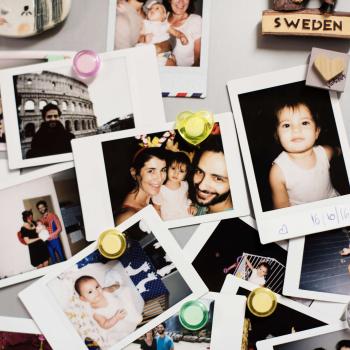
Creating Family Timelines: Graphing Family Memories and Significant Events
Grades
3 - 5
|
Lesson Plan
|
Standard Lesson
Creating Family Timelines: Graphing Family Memories and Significant Events
Students interview family members, and then create graphic family timelines based on important and memorable family events.
Grades
9 - 12
|
Lesson Plan
|
Standard Lesson
Making Connections to Myth and Folktale: The Many Ways to Rainy Mountain

Following the model of N. Scott Momaday's The Way To Rainy Mountain, students write three-voice narratives based on Kiowa folktales, an interview with an Elder, and personal connections to theme.

Chasing the Dream: Researching the Meaning of the American Dream
Grades
9 - 12
|
Lesson Plan
|
Standard Lesson
Chasing the Dream: Researching the Meaning of the American Dream
By conducting interviews, sharing and assessing data, and writing papers based on their authentic research, students reach their own conclusions on the meaning of the American Dream.
Exploring the Power of Language with Six-Word Memoirs
Grades
9 - 12
|
Lesson Plan
|
Standard Lesson
Exploring the Power of Language with Six-Word Memoirs

What do the words we write really have to say about us? In this lesson, students examine the power of word choice as they write six-word memoirs of their lives.

Sí, Se Puede: Making a Difference, One Letter at a Time
Grades
6 - 8
|
Lesson Plan
|
Standard Lesson
Sí, Se Puede: Making a Difference, One Letter at a Time
After reading the book ¡Si, Se Puede!/Yes, We Can!: Janitor Strike in L.A., students learn about labor unions, strikes, and organizing for change. Students interview staff members in their school to learn about their daily work life, and write persuasive advocacy letters.

Boars and Baseball: Making Connections
Grades
4 - 7
|
Lesson Plan
|
Standard Lesson
Boars and Baseball: Making Connections
In this lesson, students will make text-to-self, text-to-text, and text-to-world connections after reading In the Year of the Boar and Jackie Robinson. After sharing and discussing connections, students choose and plan a project that makes a personal connection to the text.
Exploring Perspectives on Desegregation Using <i>Brown Girl Dreaming</i>
Grades
5 - 9
|
Lesson Plan
|
Standard Lesson
Exploring Perspectives on Desegregation Using Brown Girl Dreaming
Students read and discuss a selection of poems from Jacqueline Woodson's Brown Girl Dreaming to explore varying views on the process of desegregation in America.

Using the RAFT Writing Strategy
Grades
Grades
5 - 12
|
Strategy Guide
Using the RAFT Writing Strategy
This strategy guide introduces the RAFT technique and offers practical ideas for using this technique to teach students to experiment with various perspectives in their writing.
Conducting Inner-Outer Circle Discussions
Grades
Grades
6 - 12
|
Strategy Guide
Conducting Inner-Outer Circle Discussions
This guide shares the steps to take to get more students talking by dividing the group into speaking and non-speaking circles.
Teaching with Zooming Slideshows through Prezi
Grades
Grades
6 - 12
|
Strategy Guide
Teaching with Zooming Slideshows through Prezi
Through Prezi, a web application, students create "zooming" presentations for various purposes, such as presenting research, defending an opinion, or sharing a digital story.

Website Planning in a Bilingual Classroom
Grades
3 - 5
|
Lesson Plan
|
Standard Lesson
Website Planning in a Bilingual Classroom
Students complete a family survey and plan a website to share the responses, increasing their understanding and appreciation of their own families and cultures, and their classmates as well.

Bringing Economic Vocabulary to Life Through Video Posters
Grades
2 - 5
|
Lesson Plan
|
Minilesson
Bringing Economic Vocabulary to Life Through Video Posters
Imagine if vocabulary could come alive with the click of a button! Students create video posters to demonstrate knowledge of new economics vocabulary.

Using Children's Literature to Develop Classroom Community
Grades
3 - 6
|
Lesson Plan
|
Standard Lesson
Using Children's Literature to Develop Classroom Community
Conversation and cooperation bring out the best in students when they hold dialogues about their individual strengths, abilities, and talents.

Grades
6 - 8
|
Lesson Plan
|
Unit
Exploring and Sharing Family Stories
Writing gets personal when students interview family members in order to write a personal narrative about that person.

MyTube: Changing the World With Video Public Service Announcements
Grades
9 - 12
|
Lesson Plan
|
Unit
MyTube: Changing the World With Video Public Service Announcements
This assignment will go viral with students as they think about the meanings of words and images in public service announcements from YouTube before creating a PSA of their own.
Grades
6 - 8
|
Lesson Plan
|
Standard Lesson
My Life/Your Life: A Look at Your Parents' Past
Past and present come together when students interview their parents and create a skit that compares their parents' experiences as middle schoolers with the students' own lives.
WorldReadAloudDay
Grades
4 - 12
|
Calendar Activity
|
Literacy-Related Event
Today is World Read Aloud Day.

Students celebrate the power of words by reading aloud to their classmates and spreading the word of global literacy to their friends and family.
Beware the Ides of March!
Grades
3 - 12
|
Calendar Activity
|
Historical Figure & Event
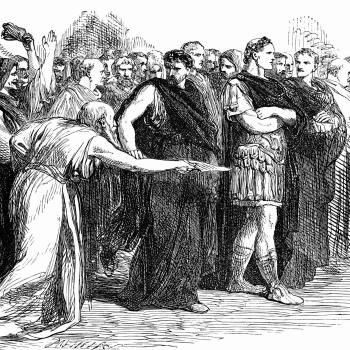
Beware the Ides of March!
Students discuss and categorize superstitions, define a superstition, and compare the similarities and difference between proverbs and superstitions.
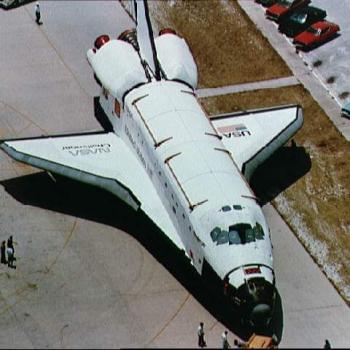
The Space Shuttle <em>Challenger</em> exploded in 1986.
Grades
3 - 12
|
Calendar Activity
|
Historical Figure & Event
The Space Shuttle Challenger exploded in 1986.

Students interview a parent or another adult about the Challenger and hypothesize about differences. Students can also write about the Columbia disaster in 2003.

Amelia Earhart completed her solo flight from Honolulu to Oakland in 1935.
Grades
3 - 12
|
Calendar Activity
|
Historical Figure & Event
Amelia Earhart completed her solo flight from Honolulu to Oakland in 1935.
Students explore the definition of a hero and use the interactive Venn diagram to identify the most common characteristics of a hero.

Pagination

  • Page 1
  • Page 2
  • Next page ››
  • Last page Last »

Explore Resources by Grade

  • KindergartenK
  • 1-2
  • 3-4
  • 5-6
  • 7-8
  • 9-10
  • 11-12

RWT-logo

Powered By NCTE

Footer 1 Menu

  • About
  • Classroom Resources
  • Professional Development
  • Collections
  • Contact Us

Footer 2 Menu

  • National Council of Teachers of English
  • Contribute to RWT
  • FAQs
  • Join NCTE

Footer 3 Menu

  • Legal Notices
  • Privacy Policy
  • Promotional Materials
  • Site Demonstrations

Want to stay in touch with RWT and NCTE? Sign up here!

  • Facebook
  • Twitter
  • Instagram
  • Pinterest
  • YouTube

© NCTE 2026. All rights reserved