Students learn the importance of crediting others for their words and ideas, and then learn the paraphrasing and citation skills necessary to avoid plagiarism.
Research Building Blocks: "Cite Those Sources!"

Research Building Blocks: Skim, Scan, and Scroll
In this lesson from a research skills unit, students read informational text, looking for supporting details. They practice skimming and scanning print resources, and scrolling through electronic resources.
Myth and Truth: Independence Day
By exploring myths and truths surrounding Independence Day, students think critically about commonly believed stories regarding the beginning of the Revolutionary War and the Independence Day holiday.

Research Building Blocks: Examining Electronic Sources
In this lesson, students evaluate and rate the relevance of electronic resources as they research information about their state.
Research Building Blocks: Notes, Quotes, and Fact Fragments
Students are guided through the process of taking notes while reading factual information, then turning those notes into new sentences and paragraphs written in their own words.
Research Building Blocks: Hints about Print
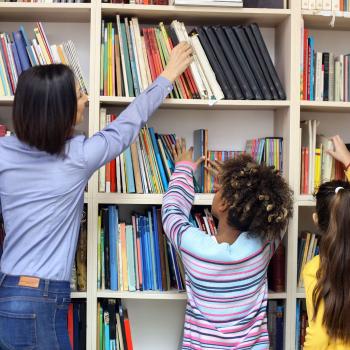
In this lesson from a research skills unit, students examine abstracts on selected books to determine their relevance and helpfulness.

Book Reviews, Annotation, and Web Technology
Students work in groups to create annotated book reviews with links to topics of interest related to their book.
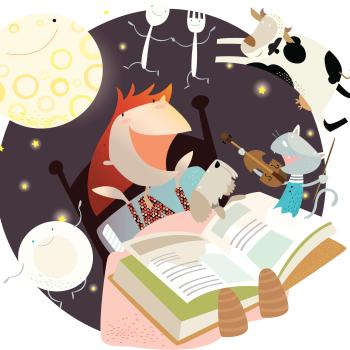
Growing Readers and Writers with Help from Mother Goose
Watch Mother Goose work her magic! This lesson uses nursery rhymes to help emergent readers remember the letters and their sounds and identify word chunks.
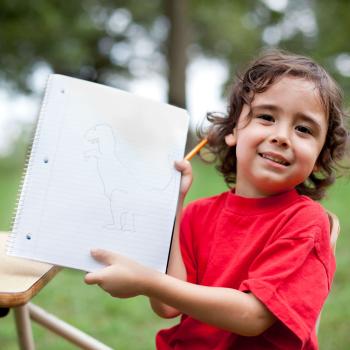
Writing Reports in Kindergarten? Yes!
This lesson encourages young students to see themselves as writers with a message to convey. Three types of reports are provided to show what kindergartners and emergent writers can do.
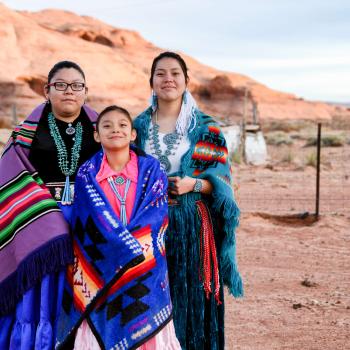
Native Americans Today
This lesson challenges students' views of Native Americans as a vanished people by asking them to compare their prior knowledge with information they gather while reading about contemporary Native Americans.

Draw a Story: Stepping from Pictures to Writing
Students draw a series of pictures that tell a story, including character action, problem and solution. They ‘read' their story to others, transcribe it into writing, and create an accordion book.
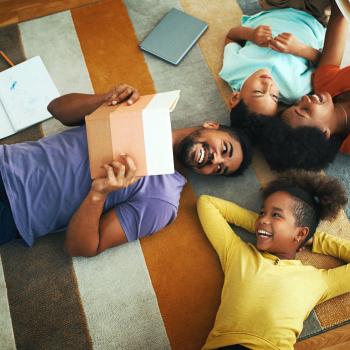
Have Journal...Will Travel: Promoting Family Involvement in Literacy
Students build positive memories of literacy activities when they take turns taking home a book bag stuffed with items to encourage literacy interactions with their families.
What's in a Name? Teaching Concepts of Letter and Word
In this recurring activity, the process of choosing a helper for the day becomes a literacy activity, with the helper's name as a starting place for reading and writing.

From Stop Signs to the Golden Arches: Environmental Print
Students bring the print-rich environment of the community into the classroom through the use of environmental print, enabling emergent readers to delight in the realization that they are indeed readers.
Biographies: Creating Timelines of a Life
In this lesson students explore a number of sources to create a biographical timeline about a selected person. Students collaboratively research and resolve conflicting information they find during their investigation.
Introducing Each Other: Interviews, Memoirs, Photos, and Internet Research
Students use their communication and writing skills as they interview a partner, write an article about them, and create a multimodal presentation to introduce their partner to the class.
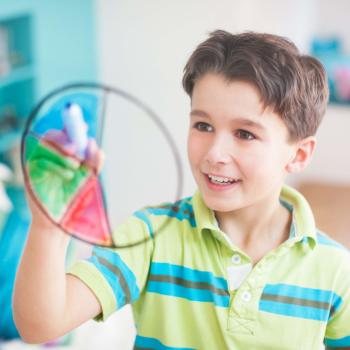
Listen, Look, and Learn: An Information-Gathering Process
After listening to and discussing the story Score One for the Sloths, primary students research the sloth. Students use a variety of resources, including an information wheel graphic organizer.
Memories Matter: The Giver and Descriptive Writing Memoirs
Using The Giver, students discuss the importance recorded history. This provides context for descriptive writing of students' own history in a lesson that integrates personal writing, research, and literary response.
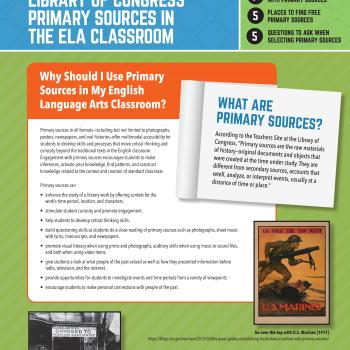
Engaging Students with Library of Congress Primary Sources in the ELA Classroom Quick-Reference Guide (QRG)
Quick-Reference Guide (QRG) focused on "Engaging Students with Library of Congress Primary Sources in the ELA Classroom."
Quantitative Civic Reasoning: A Guide for Centering Civic Innovation in Math and English Language Arts Classrooms
This guide explores quantitative civic reasoning in English and math classrooms.