This lesson, in which students research worms in order to create a classroom habitat, incorporates reading and writing across content areas as well as math and science activities.
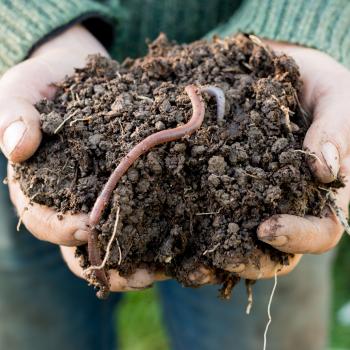
Digging Up Details on Worms: Using the Language of Science in an Inquiry Study

Defining Literacy in a Digital World
Through listing and observation, students identify the many texts that they read and composeincluding books and magazines, television shows, movies, audio broadcasts, hypertexts, and animations.

Put That on the List: Independently Writing a Catalog Poem
In this follow-up to writing collaborative catalog poems, students write individual catalog poems about what really matters in their lives, based on Carver's poem "The Car."

Put That on the List: Collaboratively Writing a Catalog Poem
Using the structure of a list poem, students combine creative expression with poetic techniques and language exploration in order to write group poems about what really matters in their lives.

Using Student-Centered Comprehension Strategies with Elie Wiesel's Night
Working in small groups, students read and discuss Elie Wiesel's memoir Night and then take turns assuming the "teacher" role, as the class works with four different comprehension strategies.

Literature Circle Roles Reframed: Reading as a Film Crew
Capture students' enthusiasm for film and transfer it to reading and literature by substituting film production roles for the traditional literature circle roles.
So What Do You Think? Writing a Review
Writing a review of an author's work challenges students to develop their critical thinking skills. It provides an opportunity for students to speak their mindsand to enjoy being heard.

Dear Librarian: Writing a Persuasive Letter
Students write persuasive letters to their librarian requesting that specific texts be added to the school library. As they work, students plan their arguments and outline their reasons and examples.

Audio Listening Practices: Exploring Personal Experiences with Audio Texts
Students keep a daily diary that records how and when they listen to audio texts, then analyze the details and compare their results to published reports on American radio listeners.
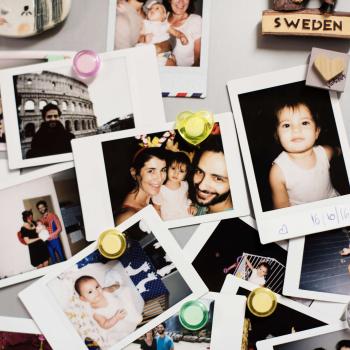
Creating Family Timelines: Graphing Family Memories and Significant Events
Students interview family members, and then create graphic family timelines based on important and memorable family events.

Once Upon a Time Rethought: Writing Fractured Fairy Tales
Students read and analyze fairy tales, identifying their common elements. They then write their own "fractured" fairy tales by changing one of the literary elements found in the original.

Opening the Door for Reading: Sharing Favorite Texts to Build Community
In this lesson, students build classroom community by exploring environmental print and a teacher-created display that focuses on a favorite book. They then create and share their own presentations.

Literature as a Jumping Off Point for Nonfiction Inquiry
Students use text sets to research a topic inspired by a fiction book they have read. A text set is a collection of multiple text genres with a single focus.
Our Community: Creating ABC Books as Assessment
Students create alphabet books, which are used as an integrated assessment with science, health, social studies, and any other content area. This lesson plans looks at the theme of community.

Question and Answer Books--From Genre Study to Report Writing
After exploring several question and answer books on a variety of topics, students research a topic and create their own class question and answer book.

Paying Attention to Technology: Reviewing a Technology
Students read and analyze technology reviews to establish the characteristics of the genre. They then compose their own reviews on a technology of their choice.
Developing Reading Plans to Support Independent Reading
Students analyze their past readings and use that knowledge to create reading plans for the future.
Discovering Traditional Sonnet Forms
Students read sonnets, charting the poems' characteristics and using their observations to deduce traditional sonnet forms. They then write original sonnets, using a poem they have analyzed as a model.

Completing the Circle: The Craft of Circular Plot Structure
Students identify, explore and apply the elements of circle plot structures to their own stories by using graphic organizers, reading and writing stories, and using checklists to assess their work.
Bridging Literature and Mathematics by Visualizing Mathematical Concepts
During interactive read-aloud sessions, students identify how an author conveys mathematical information about animals' sizes and abilities. They then conduct research projects focusing on the same mathematical concepts.