Students learn about the life and music of John Lennon, write a short story from their lives integrating lyrics from some of their favorite songs, and create a class book of stories.

Songs of Our Lives: Using Lyrics to Write Stories
Cut up, Cover up, and Come Away with Ideas for Writing!
Students rework their forgotten/abandoned drafts by cutting and covering up selected words. By creatively manipulating text, they explore portal writing, a strategy for envisioning a new story or story direction.

Using Microblogging and Social Networking to Explore Characterization and Style
Students use social networking sites to trace the development of characters by assuming the persona of a character on the class Ning and sending a set number of tweets, or status updates.

Moving Toward Acceptance Through Picture Books and Two-Voice Texts
Students read and discuss literature about intolerance and diversity. They work with a partner to write two-voice poems that illustrate situations of intolerance at their school and suggest a step toward acceptance.
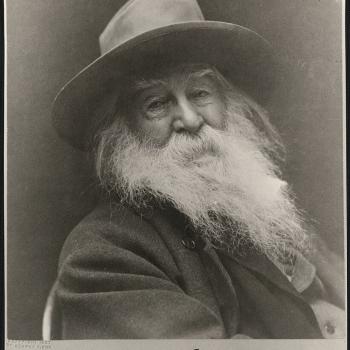
Walt Whitman as a Model Poet: "I Hear My School Singing"
Students first analyze Walt Whitman's "I Hear America Singing," then use Whitman's poem as a model as they create their own list poems.
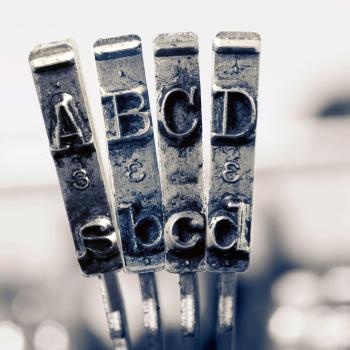
The ABCs of Poetry
Students examine a letter of the alphabet from all angles, creating image pools of original metaphors that they then turn into poems.
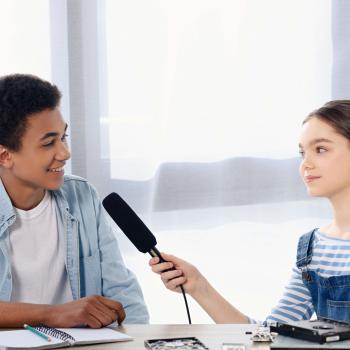
The Feature Story—Fifteen Minutes (and 500 Words) of Fame!
Students learn how to differentiate between a news story and a feature story by writing a profile of a classmate.
Communicating on Local Issues: Exploring Audience in Persuasive Letter Writing
Students will research a local issue, and then write letters to two different audiences, asking readers to take a related action or adopt a specific position on the issue.

Put That on the List: Independently Writing a Catalog Poem
In this follow-up to writing collaborative catalog poems, students write individual catalog poems about what really matters in their lives, based on Carver's poem "The Car."

Put That on the List: Collaboratively Writing a Catalog Poem
Using the structure of a list poem, students combine creative expression with poetic techniques and language exploration in order to write group poems about what really matters in their lives.

Our Classroom: Writing an Owner's Manual
Students write an owner's manual that helps them get to know their classroom, provides them with a sense of ownership, and lets others know about their classroom.
Our Community: Creating ABC Books as Assessment
Students create alphabet books, which are used as an integrated assessment with science, health, social studies, and any other content area. This lesson plans looks at the theme of community.

A Bear of a Poem: Composing and Performing Found Poetry
Children find favorite words, phrases, and sentences from familiar stories. Working together, they combine their words and phrases to create a poem. The poem is then shared as performance poetry.
Discovering Traditional Sonnet Forms
Students read sonnets, charting the poems' characteristics and using their observations to deduce traditional sonnet forms. They then write original sonnets, using a poem they have analyzed as a model.
Writing Poetry with Rebus and Rhyme
This lesson encourages students to use rhyming words to write rebus poetry modeled on rebus books, which substitute pictures for the words that young students cannot yet identify or decode.
Unlocking the Underlying Symbolism and Themes of a Dramatic Work
This lesson plan invites students to consider characters from Lorraine Hansberry's A Raisin in the Sun. Students explore a selected character and write poems about objects associated with that character.

Childhood Remembrances: Life and Art Intersect in Nikki Giovanni's "Nikki-Rosa"
Students explore what Carol Jago calls the place "where life and art intersect" by reading Nikki Giovanni's poem, "Nikki-Rosa," and then writing about childhood memories of their own.

Is a Sentence a Poem?
Students use their own poetry to analyze syntax, imagery, and meaning in a one-sentence poem by a canonical author to decide what makes it a poem.

Making History Come Alive Through Poetry and Song
Students compare the sinking of the Edmund Fitzgerald with the song, "The Wreck of the Edmund Fitzgerald," then create their own poetry about a historical event.

Chasing the Dream: Researching the Meaning of the American Dream
By conducting interviews, sharing and assessing data, and writing papers based on their authentic research, students reach their own conclusions on the meaning of the American Dream.