ReadWriteThink - Powered by NCTE
  • About
  • Classroom Resources
    • Lesson Plans
    • Teaching Comics
    • Teaching With Primary Resources
    • Calendar
    • Printouts
    • Student Interactives
  • Collections
    • Assessment
    • Authors
    • Booklists
    • Media Literacy
    • Poetry
    • Primary Sources
    • Writing
  • Professional Development
    • Strategy Guides
    • Professional Library
    • Meetings & Events
  • Join NCTE
  • Contact Us
  • About
  • Classroom Resources
    • Lesson Plans
    • Teaching Comics
    • Teaching With Primary Resources
    • Calendar
    • Printouts
    • Student Interactives
  • Collections
    • Assessment
    • Authors
    • Booklists
    • Media Literacy
    • Poetry
    • Primary Sources
    • Writing
  • Professional Development
    • Strategy Guides
    • Professional Library
    • Meetings & Events
  • Join NCTE
  • Contact Us
  • Facebook
  • Twitter
  • Instagram
  • Pinterest
  • YouTube

Breadcrumb

  1. Home

Type

  • Classroom Resources
  • Professional Development

Grades

  • 1 (64)
  • 2 (63)
  • 3 (129)
  • 4 (128)
  • 5 (136)
  • 6 (145)
  • 7 (147)
  • 8 (156)
  • 9 (161)
  • 10 (158)
  • 11 (155)
  • 12 (155)
  • K (54)

Learning Objectives

  • (-) multicultural awareness (113)
  • (-) text structure / story structure (242)
  • collaboration (458)
  • Comprehension (508)
  • critical thinking (649)
  • digital literacy (154)
  • Grammar (57)
  • inquiry / research (350)
  • listening (182)
  • literary analysis (367)
  • Media literacy (205)
  • metacognition (302)
  • multimodal literacy (260)
  • oral communication (224)
  • phonological awareness (61)
  • print awareness (89)
  • reading fluency (67)
  • reading genres (290)
  • Spelling (51)
  • Vocabulary (191)
  • writing genres (382)
  • writing process (421)

Topics

  • arts
  • careers
  • community
  • drama
  • ELL
  • Family
  • fiction
  • Mathematics
  • Mobile Learning
  • nonfiction
  • poetry
  • science
  • seasons / holidays
  • social action
  • social studies / history
  • Sports
  • STEM
9 - 12

Picture an American

Teaching Comics
Translating Poetry into Comics
9 - 12

From Verse to Visual: Translating Poetry into Comics

Teaching Comics
6 - 12

Create a Comic Book Vignette of Immigration to the US

Teaching Comics
6 - 12

A Different Point of View for a Comic

After reading Great Immigrants, Great Americans: The Comic Book, students will revise a comic from the perspective of another character in the original story, allowing the new narrator to be the main character.

Teaching Comics
6 - 12

Questions All Around: A Collection of Questions for Graphic Novel Stories from Great Immigrants, Great Americans

Teaching Comics
9 - 12

Dear Great Immigrant, Dear Great American Comic Letter

Teaching Comics
Guided Comprehension: Making Connections Using a Double-Entry Journal
Grades
4 - 6
|
Lesson Plan
|
Standard Lesson
Guided Comprehension: Making Connections Using a Double-Entry Journal

Based on the Guided Comprehension Model by Maureen McLaughlin and Mary Beth Allen, this lesson helps students learn three types of connections (text-to-text, text-to-self, and text-to-world) using a double-entry journal.

Analyzing and Comparing Medieval and Modern Ballads
Grades
9 - 12
|
Lesson Plan
|
Standard Lesson
Analyzing and Comparing Medieval and Modern Ballads
Students explore the ballads genre by reading medieval ballads to deduce their characteristics, acting out the ballads, comparing medieval and modern ballads using Venn diagrams, and composing their own ballads.
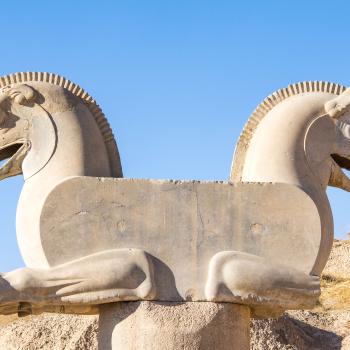
Gaining Background for the Graphic Novel <em>Persepolis</em>: A WebQuest on Iran
Grades
9 - 12
|
Lesson Plan
|
Standard Lesson
Gaining Background for the Graphic Novel Persepolis: A WebQuest on Iran

To prepare students for reading the graphic novel Persepolis, this lesson uses a WebQuest to focus students' research on finding reliable information about Iran before and during the Islamic Revolution.

Worth Its Weight: Letter Writing with "The Things They Carried"
Grades
9 - 12
|
Lesson Plan
|
Standard Lesson
Worth Its Weight: Letter Writing with "The Things They Carried"
This lesson uses a letter-writing activity based on Tim O'Brien's story "The Things They Carried" to build empathy as students examine the weight they symbolically carry in their own lives.
Grades
K - 2
|
Lesson Plan
|
Standard Lesson
The Day Jimmy's Boa Taught Cause and Effect
This lesson introduces the concept of cause and effect with Trinka Hakes Noble's books about Jimmy and his boa constrictor.

The Children's Picture Book Project
Grades
9 - 12
|
Lesson Plan
|
Unit
The Children's Picture Book Project

In this lesson students evaluate published children's picture storybooks. Students then plan, write, illustrate, and publish their own children's picture books.

Website Planning in a Bilingual Classroom
Grades
3 - 5
|
Lesson Plan
|
Standard Lesson
Website Planning in a Bilingual Classroom
Students complete a family survey and plan a website to share the responses, increasing their understanding and appreciation of their own families and cultures, and their classmates as well.
Reaching Across Time: Scaffolded Engagements With a 19th-Century Text
Grades
9 - 12
|
Lesson Plan
|
Standard Lesson
Reaching Across Time: Scaffolded Engagements With a 19th-Century Text
Students in the 21st century need to build background knowledge and fill in textual gaps to enter the unfamiliar world of "Bartleby the Scrivener: A Story of Wall Street."
Making It Visual for ELL Students: Teaching History Using <em>Maus</em>
Grades
9 - 12
|
Lesson Plan
|
Unit
Making It Visual for ELL Students: Teaching History Using Maus
Spark the engagement of English-language learners or reluctant readers with the graphic novel Maus. The visual information provided by the genre serves as a support for reading and critical engagement.
Creating a Persuasive Podcast
Grades
6 - 10
|
Lesson Plan
|
Standard Lesson
Creating a Persuasive Podcast
Students learn how to get their voice out on the web when they research issues important to them and compose a persuasive podcast to post online.

Latino Poetry Blog: Blogging as a Forum for Open Discussion
Grades
8 - 12
|
Lesson Plan
|
Standard Lesson
Latino Poetry Blog: Blogging as a Forum for Open Discussion
In this lesson, students use blogs to hold discussions about the effect of the factors of culture, history, and environment on Latino poetry.
Scaffolding Methods for Research Paper Writing
Grades
6 - 8
|
Lesson Plan
|
Unit
Scaffolding Methods for Research Paper Writing
In this lesson, students use a scaffold to help them compile information to write a solid research paper.

Grades
K - 2
|
Lesson Plan
|
Standard Lesson
Four Simple Steps to Small-Group Guided Writing
Students will go batty about the three writing strategies they learn in this lesson centered on Nicola Davies' Bat Loves the Night.
Cultural Connections and Writing for Change
Grades
3 - 5
|
Lesson Plan
|
Standard Lesson
Cultural Connections and Writing for Change

A little understanding can go a long way. After learning about difficulties that Palestinian youths face, students will write a letter to an official discussing these issues.

Pagination

  • First page « First
  • Previous page ‹‹
  • …
  • Page 3
  • Page 4
  • Page 5
  • Page 6
  • Page 7
  • Page 8
  • Page 9
  • Page 10
  • Page 11
  • …
  • Next page ››
  • Last page Last »

Explore Resources by Grade

  • KindergartenK
  • 1-2
  • 3-4
  • 5-6
  • 7-8
  • 9-10
  • 11-12

RWT-logo

Powered By NCTE

Footer 1 Menu

  • About
  • Classroom Resources
  • Professional Development
  • Collections
  • Contact Us

Footer 2 Menu

  • National Council of Teachers of English
  • Contribute to RWT
  • FAQs
  • Join NCTE

Footer 3 Menu

  • Legal Notices
  • Privacy Policy
  • Promotional Materials
  • Site Demonstrations

Want to stay in touch with RWT and NCTE? Sign up here!

  • Facebook
  • Twitter
  • Instagram
  • Pinterest
  • YouTube

© NCTE 2026. All rights reserved