ReadWriteThink - Powered by NCTE
  • About
  • Classroom Resources
    • Lesson Plans
    • Teaching Comics
    • Teaching With Primary Resources
    • Calendar
    • Printouts
    • Student Interactives
  • Collections
    • Assessment
    • Authors
    • Booklists
    • Media Literacy
    • Poetry
    • Primary Sources
    • Writing
  • Professional Development
    • Strategy Guides
    • Professional Library
    • Meetings & Events
  • Join NCTE
  • Contact Us
  • About
  • Classroom Resources
    • Lesson Plans
    • Teaching Comics
    • Teaching With Primary Resources
    • Calendar
    • Printouts
    • Student Interactives
  • Collections
    • Assessment
    • Authors
    • Booklists
    • Media Literacy
    • Poetry
    • Primary Sources
    • Writing
  • Professional Development
    • Strategy Guides
    • Professional Library
    • Meetings & Events
  • Join NCTE
  • Contact Us
  • Facebook
  • Twitter
  • Instagram
  • Pinterest
  • YouTube

Breadcrumb

  1. Home

Type

  • Classroom Resources
  • Professional Development

Grades

  • 1 (9)
  • 2 (11)
  • 3 (26)
  • 4 (30)
  • 5 (35)
  • 6 (40)
  • 7 (38)
  • 8 (37)
  • 9 (28)
  • 10 (27)
  • 11 (26)
  • 12 (26)
  • K (7)

Learning Objectives

  • (-) critical thinking (53)
  • collaboration (27)
  • Comprehension (30)
  • digital literacy (7)
  • Grammar (2)
  • inquiry / research (21)
  • listening (22)
  • literary analysis (22)
  • Media literacy (10)
  • metacognition (31)
  • multicultural awareness (14)
  • multimodal literacy (20)
  • oral communication (28)
  • phonological awareness (2)
  • print awareness (11)
  • reading fluency (7)
  • reading genres (14)
  • Spelling (7)
  • text structure / story structure (16)
  • Vocabulary (11)
  • writing genres (20)
  • writing process (25)

Topics

  • (-) Family
  • arts
  • careers
  • community
  • drama
  • ELL
  • fiction
  • Mathematics
  • Mobile Learning
  • nonfiction
  • poetry
  • science
  • seasons / holidays
  • social action
  • social studies / history
  • Sports
  • STEM
Bringing Economic Vocabulary to Life Through Video Posters
Grades
2 - 5
|
Lesson Plan
|
Minilesson
Bringing Economic Vocabulary to Life Through Video Posters
Imagine if vocabulary could come alive with the click of a button! Students create video posters to demonstrate knowledge of new economics vocabulary.

Using Children's Literature to Develop Classroom Community
Grades
3 - 6
|
Lesson Plan
|
Standard Lesson
Using Children's Literature to Develop Classroom Community
Conversation and cooperation bring out the best in students when they hold dialogues about their individual strengths, abilities, and talents.

Grades
6 - 8
|
Lesson Plan
|
Unit
Exploring and Sharing Family Stories
Writing gets personal when students interview family members in order to write a personal narrative about that person.

Family Ties: Making Connections to Improve Reading Comprehension
Grades
K - 2
|
Lesson Plan
|
Standard Lesson
Family Ties: Making Connections to Improve Reading Comprehension
Families are all about connections between people. In this lesson, students read three books about different families and make text-to-self, text-to-text, and text-to-world connections to those texts.

MyTube: Changing the World With Video Public Service Announcements
Grades
9 - 12
|
Lesson Plan
|
Unit
MyTube: Changing the World With Video Public Service Announcements
This assignment will go viral with students as they think about the meanings of words and images in public service announcements from YouTube before creating a PSA of their own.
Grades
6 - 8
|
Lesson Plan
|
Standard Lesson
My Life/Your Life: A Look at Your Parents' Past
Past and present come together when students interview their parents and create a skit that compares their parents' experiences as middle schoolers with the students' own lives.
WorldReadAloudDay
Grades
4 - 12
|
Calendar Activity
|
Literacy-Related Event
Today is World Read Aloud Day.

Students celebrate the power of words by reading aloud to their classmates and spreading the word of global literacy to their friends and family.

Gwendolyn Brooks published <em>Bronzeville Boys and Girls</em> in 1956.
Grades
3 - 12
|
Calendar Activity
|
Author & Text
Gwendolyn Brooks published Bronzeville Boys and Girls in 1956.

After students have read and discussed several poems from Brooks' collection, they create a poetry anthology for their own family, neighborhood, or classroom.
Grades
3 - 12
|
Calendar Activity
|
Author & Text
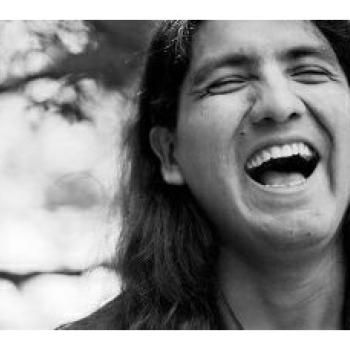
Sherman Alexie was born in 1966.

Students imagine they have been asked to participate in a museum exhibit, take photos/videos of a significant location, and write or record reflections. Students can also create an exhibit from something they have read.
Beware the Ides of March!
Grades
3 - 12
|
Calendar Activity
|
Historical Figure & Event
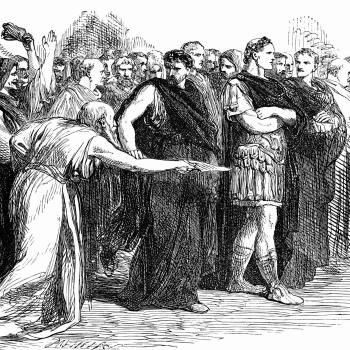
Beware the Ides of March!
Students discuss and categorize superstitions, define a superstition, and compare the similarities and difference between proverbs and superstitions.

Diarist Samuel Pepys was born.
Grades
3 - 12
|
Calendar Activity
|
Historical Figure & Event
Diarist Samuel Pepys was born.
Students write diary entries and revisit the entries as if it were a hundred years from now. Students then brainstorm and write paragraphs about life in the 21st century.
Gold was discovered in California in 1848.
Grades
3 - 12
|
Calendar Activity
|
Historical Figure & Event
Gold was discovered in California in 1848.
Students read letters from the Gold Rush and follow up by writing an imaginary letter to a family member about their experience using the Letter Generator.
Amelia Earhart completed her solo flight from Honolulu to Oakland in 1935.
Grades
3 - 12
|
Calendar Activity
|
Historical Figure & Event
Amelia Earhart completed her solo flight from Honolulu to Oakland in 1935.
Students explore the definition of a hero and use the interactive Venn diagram to identify the most common characteristics of a hero.

Kodak was issued a film patent on October 14, 1884.
Grades
1 - 8
|
Calendar Activity
|
Historical Figure & Event
Kodak was issued a film patent on October 14, 1884.
Students create a scrapbook of their favorite pieces throughout the year and present it to parents at an end-of-year party.
Alex Haley, author of <em>Roots</em>, was born in 1921.
Grades
5 - 12
|
Calendar Activity
|
Author & Text
Alex Haley, author of Roots, was born in 1921.
Students explore their own roots by interviewing family members and use their family history to write a fictional account of their roots.
Children's author Patricia Polacco was born in 1944.
Grades
3 - 8
|
Calendar Activity
|
Author & Text
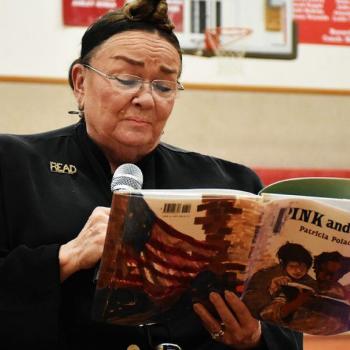
Children's author Patricia Polacco was born in 1944.
Students share family stories of their own by writing original poems and reviewing parts of speech using the Diamante Poems tool.
<em>Mister Rogers' Neighborhood</em> premiered in 1967.
Grades
7 - 12
|
Calendar Activity
|
Historical Figure & Event
Mister Rogers' Neighborhood premiered in 1968.

After thinking about TV shows, books, and movies from their childhood, students write about what they remember and revisit how they feel about it at an older age.
Louisa May Alcott was born in 1832.
Grades
7 - 12
|
Calendar Activity
|
Author & Text
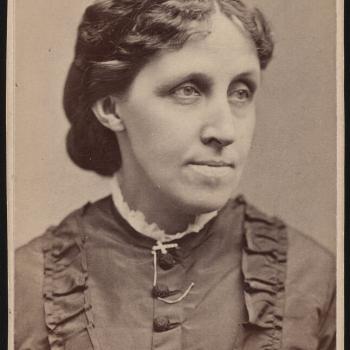
Louisa May Alcott was born in 1832.
Students brainstorm important events and people that might serve as the beginning of an interesting piece of writing. They then use the Bio-Cube to plan their writing and write an essay about a memorable person.
Dr. Jonas Salk, who developed the polio vaccine, was born in 1914.
Grades
5 - 12
|
Calendar Activity
|
Historical Figure & Event
Dr. Jonas Salk, who developed the polio vaccine, was born in 1914.
After learning about Dr. Salk, students interview a family member or someone they know who remembers the polio epidemic.
Grades
6 - 12
|
A Conversation with Laurie Halse Anderson

In this episode, Laurie Halse Anderson talks about her newest book, Wintergirls.

Pagination

  • First page « First
  • Previous page ‹‹
  • Page 1
  • Page 2
  • Page 3
  • Next page ››
  • Last page Last »

Explore Resources by Grade

  • KindergartenK
  • 1-2
  • 3-4
  • 5-6
  • 7-8
  • 9-10
  • 11-12

RWT-logo

Powered By NCTE

Footer 1 Menu

  • About
  • Classroom Resources
  • Professional Development
  • Collections
  • Contact Us

Footer 2 Menu

  • National Council of Teachers of English
  • Contribute to RWT
  • FAQs
  • Join NCTE

Footer 3 Menu

  • Legal Notices
  • Privacy Policy
  • Promotional Materials
  • Site Demonstrations

Want to stay in touch with RWT and NCTE? Sign up here!

  • Facebook
  • Twitter
  • Instagram
  • Pinterest
  • YouTube

© NCTE 2026. All rights reserved