Students analyze characterization by creating their own superheroes or super-villains,
complete with related gadgets and settings.
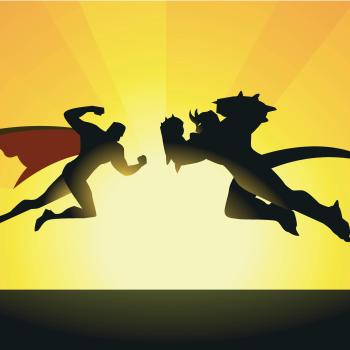
Fantastic Characters: Analyzing and Creating Superheroes and Villains

The Mysteries of Harris Burdick: Using Illustrations to Guide Writing
Students use illustrations from The Mysteries of Harris Burdick as a guide to write mysteries
and then present their stories to the class for students to discuss to which illustration each
story corresponds.

Color My World: Expanding Meaning Potential through Media
Using different writing/drawing materials (e.g., markers, color pencils, pastels, etc.), students learn how to communicate different moods and/or feelings to support their written ideas and how authors do the same through their work.
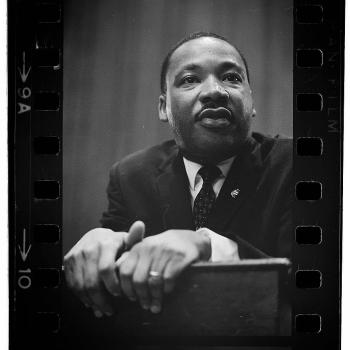
I Have a Dream: Exploring Nonviolence in Young Adult Texts
Students will identify how Martin Luther King Jr.'s dream of nonviolent conflict-resolution is reinterpreted in modern texts. Homework is differentiated to prompt discussion on how nonviolence is portrayed through characterization and conflict. Students will be formally assessed on a thesis essay that addresses the Six Kingian Principles of Nonviolence.
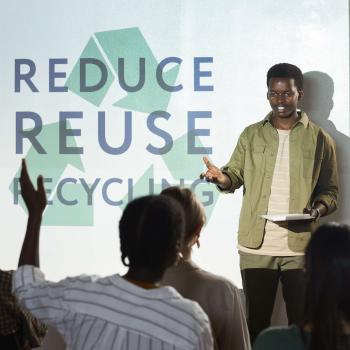
Creating Better Presentation Slides through Glance Media and Billboard Design
This lesson introduces the concept of "glance media" through an analysis of billboards. Students apply design concepts by creating a slide presentation to accompany an existing historical speech.

A "Brief, Urgent Message": Theme in Slaughterhouse-Five
As a culminating activity for Slaughterhouse-Five, students make a compilation album (a CD with 6-8 tracks) that reflects their analysis, understanding, and reaction to the ideas in the novel Slaughterhouse-Five.
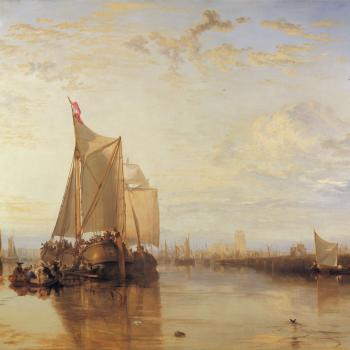
An Exploration of Romanticism Through Art and Poetry
Students use art and poetry to explore and understand major characteristics of the Romantic period.

Judging a Book by its Cover: The Art and Imagery of The Great Gatsby
Students explore The Great Gatsby's allusion to art and its use of visual imagery and conclude their study by designing their own cover for the novel.

Entering History: Nikki Giovanni and Martin Luther King, Jr.
Nikki Giovanni's poem "The Funeral of Martin Luther King, Jr." is paired with Dr. King's "I Have a Dream" speech, taking students on a quest through time to the Civil Rights movement.
The Comic Book Show and Tell
Students craft comic scripts using clear, descriptive, and detailed writing that shows (illustrates) and tells (directs). After peers create an artistic interpretation of the script, students revise their original scripts.
Audio Broadcasts and Podcasts: Oral Storytelling and Dramatization
After exploring Orson Welles' 1938 broadcast of H. G. Wells' War of the Worlds, students create their own audio dramatization of a text they have read.
You're the Top! Pop Culture Then and Now
Students analyze the lyrics to Cole Porter's "You're the Top!" and then update them to include current "tops" in pop culture.
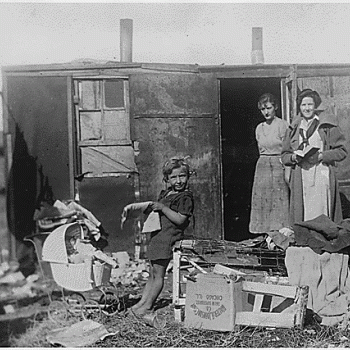
Designing Museum Exhibits for The Grapes of Wrath: A Multigenre Project
Using The Grapes of Wrath as a backdrop, students conduct research on issues that the novel addresses, publishing their findings in a multigenre museum exhibit.

Engaging Students in a Collaborative Exploration of the Gettysburg Address
In small groups, students closely examine one sentence from the Gettysburg Address and create a multigenre project communicating what they have discovered about the meaning and significance of the text.
Creating Family Timelines: Graphing Family Memories and Significant Events
Students interview family members, and then create graphic family timelines based on important and memorable family events.

Building Vietnam War Scavenger Hunts through Web-Based Inquiry
Students research the effects of the Vietnam war on a specific group of people who were involved. They then create Internet scavenger hunts to share with the class.
The History Behind Song Lyrics
Students research the items listed in the song "We Didn't Start the Fire" by Billy Joel, noting their historical relevance, and then document their findings using an online chart.

Examining Transcendentalism through Popular Culture
Using excerpts from the works of Ralph Waldo Emerson and Henry David Thoreau, comics, and songs from different musical genres, students examine the characteristics of transcendentalism.

Doodle Splash: Using Graphics to Discuss Literature
Students keep a doodle journal while reading short stories by a common author. In small groups, students then combine their doodles into a graphic representation of the text.
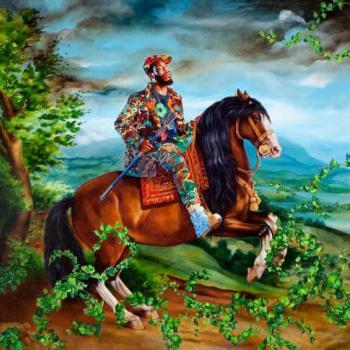
Locating Purpose in Allusion through Art and Poetry
Through this lesson, students will learn how to use the literary term "allusion" in discussing how and why authors and artists draw on and transform subject material.