ReadWriteThink - Powered by NCTE
  • About
  • Classroom Resources
    • Lesson Plans
    • Teaching Comics
    • Teaching With Primary Resources
    • Calendar
    • Printouts
    • Student Interactives
  • Collections
    • Assessment
    • Authors
    • Booklists
    • Media Literacy
    • Poetry
    • Primary Sources
    • Writing
  • Professional Development
    • Strategy Guides
    • Professional Library
    • Meetings & Events
  • Join NCTE
  • Contact Us
  • About
  • Classroom Resources
    • Lesson Plans
    • Teaching Comics
    • Teaching With Primary Resources
    • Calendar
    • Printouts
    • Student Interactives
  • Collections
    • Assessment
    • Authors
    • Booklists
    • Media Literacy
    • Poetry
    • Primary Sources
    • Writing
  • Professional Development
    • Strategy Guides
    • Professional Library
    • Meetings & Events
  • Join NCTE
  • Contact Us
  • Facebook
  • Twitter
  • Instagram
  • Pinterest
  • YouTube

Breadcrumb

  1. Home

Type

  • (-) Standard Lesson

Grades

  • 5 (2)
  • 6 (3)
  • 7 (3)
  • 8 (4)
  • 9 (4)
  • 10 (3)
  • 11 (4)
  • 12 (4)

Learning Objectives

  • (-) text structure / story structure (7)
  • collaboration (15)
  • Comprehension (14)
  • critical thinking (14)
  • digital literacy (4)
  • inquiry / research (8)
  • literary analysis (14)
  • Media literacy (5)
  • metacognition (11)
  • multicultural awareness (2)
  • multimodal literacy (8)
  • oral communication (14)
  • print awareness (1)
  • reading fluency (4)
  • reading genres (9)
  • Vocabulary (2)
  • writing genres (11)
  • writing process (6)

Topics

  • (-) drama
  • arts
  • community
  • ELL
  • Family
  • fiction
  • Mathematics
  • Mobile Learning
  • nonfiction
  • poetry
  • science
  • social action
  • social studies / history
  • Sports
  • STEM
Fantastic Characters: Analyzing and Creating Superheroes and Villains
Grades
6 - 8
|
Lesson Plan
|
Standard Lesson
Fantastic Characters: Analyzing and Creating Superheroes and Villains
Students analyze characterization by creating their own superheroes or super-villains, complete with related gadgets and settings.

<em>The Mysteries of Harris Burdick</em>: Using Illustrations to Guide Writing
Grades
5 - 9
|
Lesson Plan
|
Standard Lesson
The Mysteries of Harris Burdick: Using Illustrations to Guide Writing
Students use illustrations from The Mysteries of Harris Burdick as a guide to write mysteries and then present their stories to the class for students to discuss to which illustration each story corresponds.

Tragic Love: Introducing Shakespeare's <em>Romeo and Juliet</em>
Grades
9 - 12
|
Lesson Plan
|
Standard Lesson
Tragic Love: Introducing Shakespeare's Romeo and Juliet

This lesson introduces students to William Shakespeare's Romeo and Juliet by having them examine the ideas of tragedy and tragic love by connecting the story to their own lives.

Grades
9 - 12
|
Lesson Plan
|
Standard Lesson
Happily Ever After? Exploring Character, Conflict, and Plot in Dramatic Tragedy
By exploring the decisions points in a tragedy, students consider how the plot of the story can change if the key characters make a different choice at the turning point.
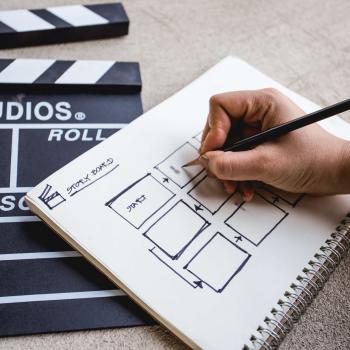
From Text to Film: Exploring Classic Literature Adaptations
Grades
8 - 12
|
Lesson Plan
|
Standard Lesson
From Text to Film: Exploring Classic Literature Adaptations
Students create storyboards to compare and contrast a book and its film adaptation.
What's the Purpose?: Examining a Cold Manipulation of Language
Grades
11 - 12
|
Lesson Plan
|
Standard Lesson
What's the Purpose?: Examining a Cold Manipulation of Language
With a crafty pen, Truman Capote wrote In Cold Blood to create a new genre and shock his audience. This lesson will help students examine Capote's manipulation of language as he forces his audience to take a different look at murderers and consider a different definition of nonfiction. His unique purpose leaves students an interesting text to consider.
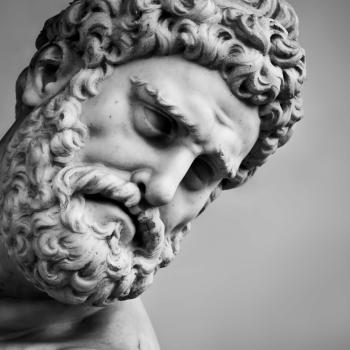
Audience & Purpose: Evaluating Disney's Changes to the Hercules Myth
Grades
5 - 8
|
Lesson Plan
|
Standard Lesson
Audience & Purpose: Evaluating Disney's Changes to the Hercules Myth
What drives changes to classic myths and fables? In this lesson students evaluate the changes Disney made to the myth of "Hercules" in order to achieve their audience and purpose.

Explore Resources by Grade

  • KindergartenK
  • 1-2
  • 3-4
  • 5-6
  • 7-8
  • 9-10
  • 11-12

RWT-logo

Powered By NCTE

Footer 1 Menu

  • About
  • Classroom Resources
  • Professional Development
  • Collections
  • Contact Us

Footer 2 Menu

  • National Council of Teachers of English
  • Contribute to RWT
  • FAQs
  • Join NCTE

Footer 3 Menu

  • Legal Notices
  • Privacy Policy
  • Promotional Materials
  • Site Demonstrations

Want to stay in touch with RWT and NCTE? Sign up here!

  • Facebook
  • Twitter
  • Instagram
  • Pinterest
  • YouTube

© NCTE 2026. All rights reserved
