Students learn about the life and music of John Lennon, write a short story from their lives integrating lyrics from some of their favorite songs, and create a class book of stories.

Songs of Our Lives: Using Lyrics to Write Stories

Analyzing Famous Speeches as Arguments
Students are often asked to perform speeches, but rarely do we require students to analyze speeches as carefully as we study works of literature. In this unit, students are required to identify the rhetorical strategies in a famous speech and the specific purpose for each chosen device. They will write an essay about its effectiveness and why it is still famous after all these years.
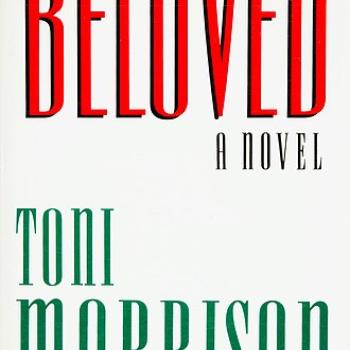
Narrative Structure and Perspectives in Toni Morrison's Beloved
Using Beloved as a model of a work with multiple narrative perspectives, students use a visualizing activity and close reading to consider ways in which subjective values shape contradictory representations.

Graphing Plot and Character in a Novel
In this graphical mapping project, students assign a value to the events, characters, and themes in a novel and think about how the elements of the story are all interconnected.
Making Connections to Myth and Folktale: The Many Ways to Rainy Mountain
Following the model of N. Scott Momaday's The Way To Rainy Mountain, students write three-voice narratives based on Kiowa folktales, an interview with an Elder, and personal connections to theme.
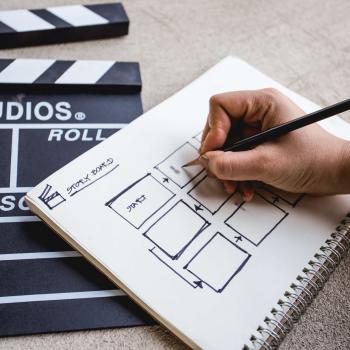
From Text to Film: Exploring Classic Literature Adaptations
Students create storyboards to compare and contrast a book and its film adaptation.

Life is Beautiful: Teaching the Holocaust through Film with Complementary Texts
After students have read a book about the Holocaust, such as The Diary of Anne Frank or Night by Elie Wiesel, students will view Life is Beautiful and complete discussion questions to challenge their ability to analyze literature using film.
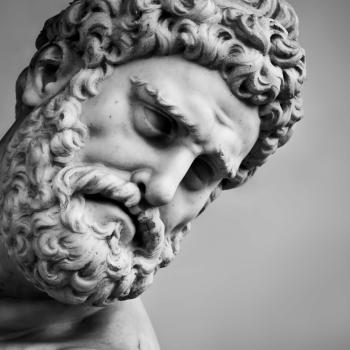
Audience & Purpose: Evaluating Disney's Changes to the Hercules Myth
What drives changes to classic myths and fables? In this lesson students evaluate the changes Disney made to the myth of "Hercules" in order to achieve their audience and purpose.

Developing Citizenship Through Rhetorical Analysis
Students analyze rhetorical strategies in online editorials, building knowledge of strategies and awareness of local and national issues. This lesson teaches students connections between subject, writer, and audience and how rhetorical strategies are used in everyday writing.

Worth Its Weight: Letter Writing with "The Things They Carried"
This lesson uses a letter-writing activity based on Tim O'Brien's story "The Things They Carried" to build empathy as students examine the weight they symbolically carry in their own lives.

Cultural Connections and Writing for Change
A little understanding can go a long way. After learning about difficulties that Palestinian youths face, students will write a letter to an official discussing these issues.

In the Style of Ernie Pyle: Reporting on World War II
Students will think this lesson should make the headlines when they finish researching Ernie Pyle's work in preparation for writing their own news articles.
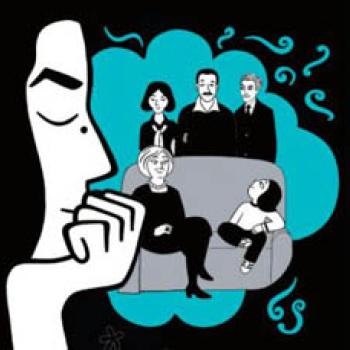
Pictures Tell the Story: Improving Comprehension With Persepolis
Students get the big picture of the Middle East when they read and analyze Marjane Satrapi's graphic novel Persepolis.

Pourquoi Stories: Creating Tales to Tell Why
Where did the stars come from? What makes lightning and thunder? Pourquoi tales are narratives developed by various cultures around the world to explain natural phenomena. Students study three tales and learn about their cultures of origin, then work cooperatively to write and present an original pourquoi tale.
Timelines and Texts: Motivating Students to Read Nonfiction
In an effort to help motivate students to read nonfiction, students are challenged to use a timeline to help them name the year when certain products were invented.

Using THIEVES to Preview Nonfiction Texts
Students become "thieves" in this lesson as they use a previewing strategy to "steal" information from textbooks and other nonfiction texts before actually reading them.
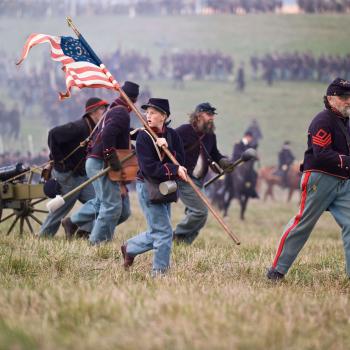
Comparing Electronic and Print Texts About the Civil War Soldier
Which side will win as students investigate both sides of the battle of using print versus online text for research as they learn about the lives of Civil War soldiers?
Flying to Freedom: Tar Beach and The People Could Fly
Students look to the past and use historical context to compare and contrast two characters from folktales.