After reading two complementary Reading Rainbow selections, students compare the selections using the Venn Diagram and write a comparison essay.

LeVar Burton, longtime host of Reading Rainbow, was born in 1957.

Today, the American Library Association announces its annual book award winners.
Students research different awards given by the ALA and do an activity based on one of the awards.
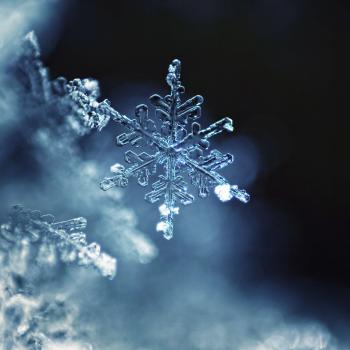
Snowflake Bentley illustrator Mary Azarian was born in 1940.
Students catch snowflakes outdoors and sketch some of the structures, or grow their own snow crystals and examine them using magnifying glasses or microscopes.

F. Scott Fitzgerald, author of The Great Gatsby, was born in 1896.
After reading The Great Gatsby, students work in pairs, select a chapter from the novel, and rewrite it from the point of view of a different character.
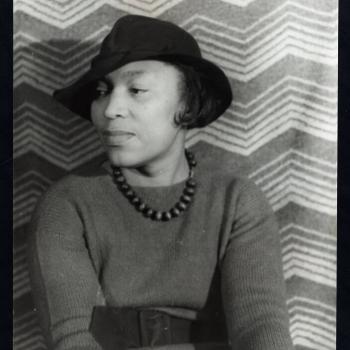
Their Eyes Were Watching God was published in 1937.
Students brainstorm the kinds of stories they know and where these stories come from. Students return to these questions as they begin reading Hurston's novel.

Rhyme Time With Madeline
Children love books that rhyme and to create their own rhymes. It's a fun way to learn how words sound similar to one another!

Explore and Write About Nature
In this activity, children look closely at living things in their natural environments and then make books about what they see.

Blast Off to Learn New Words
Boost vocabulary by taking an imaginary trip into space. After a lunar "landing," children return to Earth with a galaxy of new words.

Explore Point of View in Fairy Tales
Explore fairy tales told in both old and new ways and use an online tool to help children create their own "fractured" version of a fairy tale.

Make a Mystery Puzzle
Have children explore the different parts of mystery writing by making a puzzle about a favorite book. They can then invent and write their own mysteries using the online Mystery Cube tool.
Books Will Take You There!
While enjoying a book that features a journey, children write postcards from the perspective of the main character for each stop along the trip.
Cooking and Creating in the Kitchen
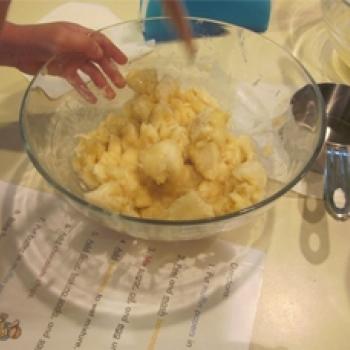
After reading If You Give a Moose a Muffin, have a "Muffin Party"! Children will write invitations, follow a recipe, and enjoy sharing their homemade muffins.
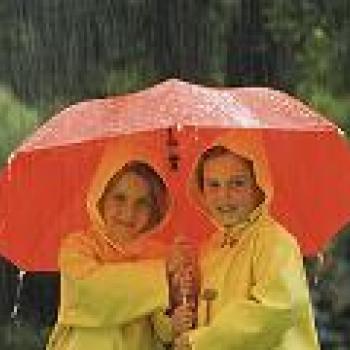
It's Raining Cats and Dogs! Make a Children's Book about the Weather
Kids learn about weather sayings throughout history while writing and illustrating a book for younger children.
Unveiling Idioms: A Game of Concentration
Brainstorm popular expressions with friends and family, then explore their meanings through game play and writing/drawing/cut-and-paste activities.

The Natural World as Inspiration: An Outdoor Art Show
Children incorporate materials from outdoors with paints or crayons to create pieces of art to display on their clotheslines, fences, or porches for a neighborhood art show.
Children's Book Project
This activity can help teens create picture books that a teen caregiver can then share with children.

Finding Poetry in Pleasure Reading
After reading a book or magazine, children and teens can choose a section and transform it into what's known as a "found poem."

Have You Seen the Movie Yet?
Before seeing a film based on a book, classic or contemporary, children can learn about filmmaking and create their own scenes based on their favorite moments from the book.

Mickey Mouse appeared in his first animated feature.
Students create a short, humorous story with at least one action character, and then use online tools to make a flipbook.
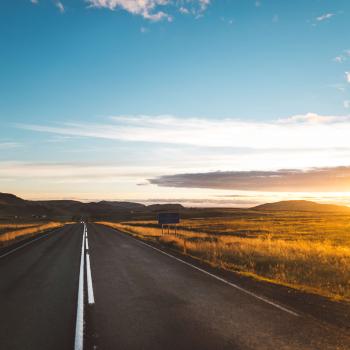
On the Road author Jack Kerouac embarked on his first cross-country road trip in 1947.
Students read a section from On the Road that deals with cross-country travel and reflects Kerouac's unique writing style. Students then attempt to write a narrative using Kerouac's stream-of-consciousness style.