ReadWriteThink - Powered by NCTE
  • About
  • Classroom Resources
    • Lesson Plans
    • Teaching Comics
    • Teaching With Primary Resources
    • Calendar
    • Printouts
    • Student Interactives
  • Collections
    • Assessment
    • Authors
    • Booklists
    • Media Literacy
    • Poetry
    • Primary Sources
    • Writing
  • Professional Development
    • Strategy Guides
    • Professional Library
    • Meetings & Events
  • Join NCTE
  • Contact Us
  • About
  • Classroom Resources
    • Lesson Plans
    • Teaching Comics
    • Teaching With Primary Resources
    • Calendar
    • Printouts
    • Student Interactives
  • Collections
    • Assessment
    • Authors
    • Booklists
    • Media Literacy
    • Poetry
    • Primary Sources
    • Writing
  • Professional Development
    • Strategy Guides
    • Professional Library
    • Meetings & Events
  • Join NCTE
  • Contact Us
  • Facebook
  • Twitter
  • Instagram
  • Pinterest
  • YouTube

Breadcrumb

  1. Home

Type

  • Classroom Resources
  • Professional Development

Grades

  • 1 (67)
  • 2 (70)
  • 3 (104)
  • 4 (106)
  • 5 (125)
  • 6 (139)
  • 7 (146)
  • 8 (153)
  • 9 (133)
  • 10 (127)
  • 11 (125)
  • 12 (125)
  • K (55)

Learning Objectives

  • collaboration (88)
  • Comprehension (100)
  • critical thinking (126)
  • digital literacy (33)
  • Grammar (17)
  • inquiry / research (100)
  • listening (39)
  • literary analysis (73)
  • Media literacy (27)
  • metacognition (60)
  • multicultural awareness (22)
  • multimodal literacy (45)
  • oral communication (41)
  • phonological awareness (11)
  • print awareness (19)
  • reading fluency (16)
  • reading genres (66)
  • Spelling (12)
  • text structure / story structure (49)
  • Vocabulary (63)
  • writing genres (106)
  • writing process (100)

Topics

  • (-) poetry
  • (-) science
  • arts
  • careers
  • community
  • drama
  • ELL
  • Family
  • fiction
  • Mathematics
  • Mobile Learning
  • nonfiction
  • seasons / holidays
  • social action
  • social studies / history
  • Sports
  • STEM
Blast Off! Vocabulary Instruction Using a Virtual Moon Trip
Grades
K - 2
|
Lesson Plan
|
Standard Lesson
Blast Off! Vocabulary Instruction Using a Virtual Moon Trip
3, 2, 1... Blast off! Students learn new vocabulary by taking a virtual field trip to the moon, read-alouds, creating a picture dictionary, and completing a final writing activity.

Exploring Cause and Effect Using Expository Texts About Natural Disasters
Grades
3 - 5
|
Lesson Plan
|
Standard Lesson
Exploring Cause and Effect Using Expository Texts About Natural Disasters

Students explore the nature and structure of expository texts that focus on cause and effect and apply what they learned using graphic organizers and writing paragraphs to outline cause-and-effect relationships.

Using Web-Based Bookmarks to Conduct Internet Research
Grades
2 - 3
|
Lesson Plan
|
Standard Lesson
Using Web-Based Bookmarks to Conduct Internet Research
The important thing about this lesson is… that it connects literature and science. The Important Book by Margaret Wise Brown provides a model for original student poems about a content area topic. Web-based bookmarks guide students to appropriate sites on the topic, and a graphic organizer helps them focus their research.
A Race With Grace: Sports Poetry in Motion
Grades
3 - 5
|
Lesson Plan
|
Standard Lesson
A Race With Grace: Sports Poetry in Motion
In this lesson, athletics, aesthetics, and poetics intersect in new ways as developing literacy learners experiment together with the forms of language.
Multipurpose Poetry: Introducing Science Concepts and Increasing Fluency
Grades
3 - 5
|
Lesson Plan
|
Standard Lesson
Multipurpose Poetry: Introducing Science Concepts and Increasing Fluency

Creepy crawlers, hoppers, and fliers are the focus of this lesson in which students chorally read poems about insects and use the Internet to locate facts about their assigned insects.
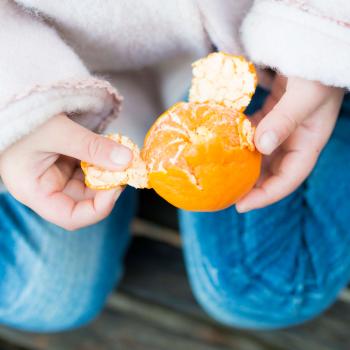
Cosmic Oranges: Observation and Inquiry Through Descriptive Writing and Art
Grades
6 - 8
|
Lesson Plan
|
Standard Lesson
Cosmic Oranges: Observation and Inquiry Through Descriptive Writing and Art
Students will eat up this lesson about oranges as they practice the skills that help them investigate and make detailed observations for descriptive purposes.
Grades
3 - 5
|
Lesson Plan
|
Standard Lesson
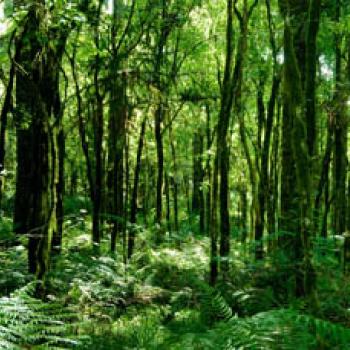
Teaching Science Through Picture Books: A Rainforest Lesson

Students read Welcome to the Green House, use note-taking strategies, find patterns in text structure, learn vocabulary in context, and write efferent and affective responses to the text.

Grades
6 - 8
|
Lesson Plan
|
Standard Lesson
Dynamic Duo Text Talks: Examining the Content of Internet Sites
An Observation and Inquiry Sheet guides students as they analyze and compare their reactions to the value, engagement, and credibility of three websites related to Anne Frank and the Holocaust.
Grades
6 - 8
|
Lesson Plan
|
Standard Lesson
The Reading Performance: Understanding Fluency Through Oral Interpretation
Students discuss prosody, gain a new appreciation for literature intended for oral performance, and participate in activities that instill the value of technology in shaping their appreciation of literature.
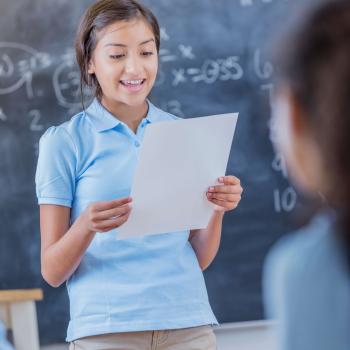
Poetry: A Feast to Form Fluent Readers
Grades
3 - 5
|
Lesson Plan
|
Standard Lesson
Poetry: A Feast to Form Fluent Readers
Students improve their reading fluency by selecting a poem online to perform in class.
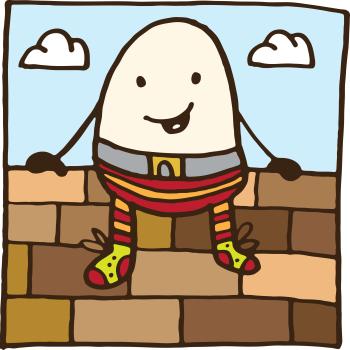
Word Recognition Strategies Using Nursery Rhymes
Grades
K - 2
|
Lesson Plan
|
Standard Lesson
Word Recognition Strategies Using Nursery Rhymes
Whether you sing or recite familiar nursery rhymes in this standard lesson, students will learn how to create and categorize words that have similar endings.
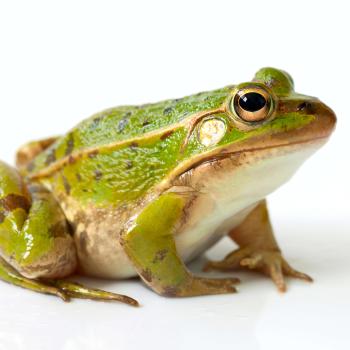
The Frog Beyond the Fairy Tale Character: Searching Informational Texts
Grades
K - 2
|
Lesson Plan
|
Standard Lesson
The Frog Beyond the Fairy Tale Character: Searching Informational Texts
Frogs often appear as the main character in fiction stories, but what do students really know about frogs? Students find out in this lesson in which they research real-life frogs.
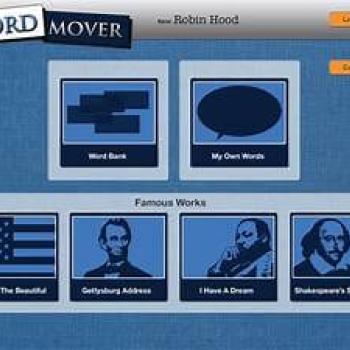
Word Mover
Grades
3 - 12
|
Student Interactive
|
Writing Poetry
Word Mover

Word Mover allows children and teens to create "found poetry" by choosing from word banks and existing famous works; additionally, users can add new words to create a piece of poetry by moving/manipulating the text.
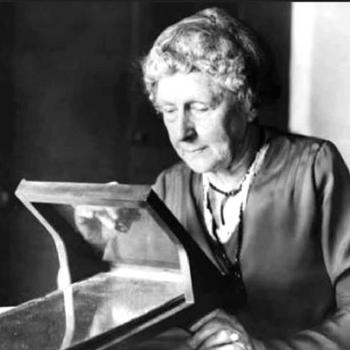
Astronomer Annie Jump Cannon was born today.
Grades
4 - 8
|
Calendar Activity
|
Historical Figure & Event
Astronomer Annie Jump Cannon was born today.
Students research a constellation and share their learning using an interactive or mobile app.
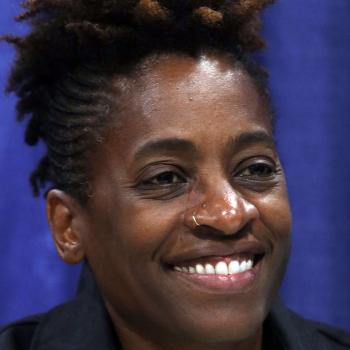
Author Jacqueline Woodson was born today.
Grades
5 - 9
|
Calendar Activity
|
Author & Text
Author Jacqueline Woodson was born today.
Students read the poem "February 12, 1963" and write a poem to commemorate their own birthday.
WorldReadAloudDay
Grades
4 - 12
|
Calendar Activity
|
Literacy-Related Event
Today is World Read Aloud Day.

Students celebrate the power of words by reading aloud to their classmates and spreading the word of global literacy to their friends and family.

Author E.B. White was born on this day in 1899.
Grades
K - 5
|
Calendar Activity
|
Author & Text
Author E.B. White was born on this day in 1899.
Author E.B. White, most well-known for his famous children's book, Charlotte's Web, received high acclaim and awards for many of his works of fiction.
Poet Nikki Giovanni was born in 1943.
Grades
1 - 12
|
Calendar Activity
|
Author & Text
Poet Nikki Giovanni was born in 1943.
Using the poem "My First Memory (of Librarians)," students connect memory, their senses, and the language of poetry.
Gwendolyn Brooks published <em>Bronzeville Boys and Girls</em> in 1956.
Grades
3 - 12
|
Calendar Activity
|
Author & Text
Gwendolyn Brooks published Bronzeville Boys and Girls in 1956.

After students have read and discussed several poems from Brooks' collection, they create a poetry anthology for their own family, neighborhood, or classroom.

Poet and author Pat Mora was born on this day in 1942.
Grades
7 - 12
|
Calendar Activity
|
Author & Text
Poet and author Pat Mora was born on this day in 1942.
Students study and write extended metaphors through the use of Pat Mora's book.

Pagination

  • First page « First
  • Previous page ‹‹
  • …
  • Page 8
  • Page 9
  • Page 10
  • Page 11
  • Page 12
  • Page 13
  • Page 14
  • Page 15
  • Page 16
  • Next page ››
  • Last page Last »

Explore Resources by Grade

  • KindergartenK
  • 1-2
  • 3-4
  • 5-6
  • 7-8
  • 9-10
  • 11-12

RWT-logo

Powered By NCTE

Footer 1 Menu

  • About
  • Classroom Resources
  • Professional Development
  • Collections
  • Contact Us

Footer 2 Menu

  • National Council of Teachers of English
  • Contribute to RWT
  • FAQs
  • Join NCTE

Footer 3 Menu

  • Legal Notices
  • Privacy Policy
  • Promotional Materials
  • Site Demonstrations

Want to stay in touch with RWT and NCTE? Sign up here!

  • Facebook
  • Twitter
  • Instagram
  • Pinterest
  • YouTube

© NCTE 2026. All rights reserved