In this activity, children look closely at living things in their natural environments and then make books about what they see.
Explore and Write About Nature

Write Theme Poems
Use shape and theme poems, or poems that look like the things they describe, as a fun way to introduce children to poetry.

Blast Off to Learn New Words
Boost vocabulary by taking an imaginary trip into space. After a lunar "landing," children return to Earth with a galaxy of new words.
Add Seasons to Rhyming Poems and Songs
Choose favorite rhyming songs or nursery rhymes then replace the rhyming words with seasonal themes.

Make a Magnetic Poetry Set
Let children practice using different types of words in a fill-in-the-blank-story game before making their own word list for a magnetic poetry set.
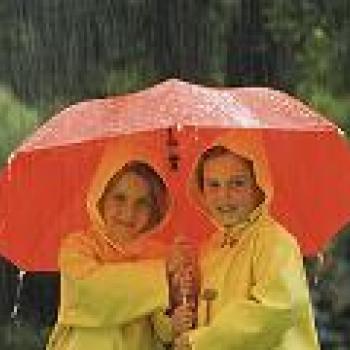
It's Raining Cats and Dogs! Make a Children's Book about the Weather
Kids learn about weather sayings throughout history while writing and illustrating a book for younger children.

Follow the Word Trail: Organize a Treasure Hunt
Create a treasure hunt out of word-puzzle clues hidden around the home or yard.

Send a Smile: Make a Card for a Special Occasion
Everyone loves getting a greeting card, especially if it's homemade. Make a funny or thoughtful greeting card or invitation with pictures and a poem, joke, or riddle.

The Natural World as Inspiration: An Outdoor Art Show
Children incorporate materials from outdoors with paints or crayons to create pieces of art to display on their clotheslines, fences, or porches for a neighborhood art show.

Finding Poetry in Pleasure Reading
After reading a book or magazine, children and teens can choose a section and transform it into what's known as a "found poem."

Where the Sidewalk Ends by Shel Silverstein was published in 1974.
Students are introduced to a Silverstein verse and asked for their impressions. They then draw that they imagine when they read one of his lines and then write a line or two to continue the passage.

Richard Wright was born in 1908.
Students read an appropriate excerpt from Black Boy, discuss the incident in which Richard gets into trouble, and write found poems.

The Smithsonian Institution was founded in 1846.
After exploring an exhibit online, students use the information they learned to write "A Day in the Life" narratives that tell about a person, animal, or object they saw in the exhibit.

Monarch butterflies begin their migration in the fall.
After exploring the ways that monarch butterflies react to seasons, students complete an inquiry study to examine how other things change because of the seasons and create a class anthology.

The first picture of Earth was taken by the U.S. satellite Explorer VI in 1959.
After students view the first picture from the Explorer VI Satellite, they discuss the differences between this first image and the images of the earth that we typically see today.

The prototype for the World Wide Web was created in 1990.
Students look at pictures from the past using the WayBack Machine and brainstorm a few websites to explore to think about how they have changed over the years.

Ernest Thayer, author of the famous poem "Casey at the Bat," was born in 1863.
In small groups or individually, students make baseball cards for the players in the poem "Casey at the Bat." Students can use a word processor or the Character Trading Cards interactive to create their cards.

Gary Soto, poet and children's writer, was born on this date in 1952.
Using one of Soto's stories, students take part in share stories about their families, describe their street/neighborhood, or compose an acrostic poem using the Acrostic Poems interactive tool.
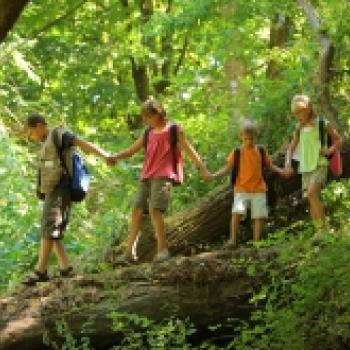
Let's Go On A Poetry Walk!
The sun is shining, the birds are chirping, and you're surrounded by brilliant shades of green! Observe and collect sensory images from nature and use the sights, sounds, smells, and textures to create original nature poetry.
Go Wild with Webcams!
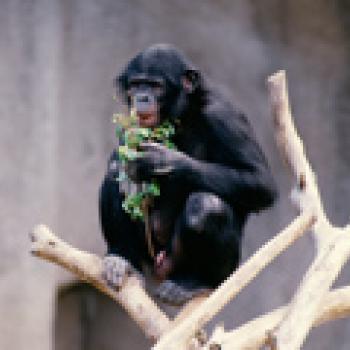
Can't make it to a zoo? After reading a book about apes, observe animal habits and habitats using one of the many Webcams broadcasting from zoos and aquariums around the United States and the world.