Students analyze characterization by creating their own superheroes or super-villains,
complete with related gadgets and settings.
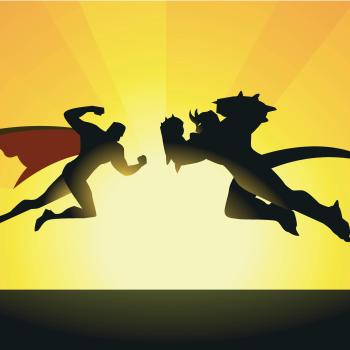
Fantastic Characters: Analyzing and Creating Superheroes and Villains

Songs of Our Lives: Using Lyrics to Write Stories
Students learn about the life and music of John Lennon, write a short story from their lives integrating lyrics from some of their favorite songs, and create a class book of stories.
Cut up, Cover up, and Come Away with Ideas for Writing!
Students rework their forgotten/abandoned drafts by cutting and covering up selected words. By creatively manipulating text, they explore portal writing, a strategy for envisioning a new story or story direction.

Creative Writing in the Natural World: A Framing
Students practice writing detailed, sensory-rich descriptions by framing a small piece of nature and freewriting about it. From this minilesson, students can develop a variety of types of writing.
The Mysteries of Harris Burdick: Using Illustrations to Guide Writing
Students use illustrations from The Mysteries of Harris Burdick as a guide to write mysteries
and then present their stories to the class for students to discuss to which illustration each
story corresponds.
Color My World: Expanding Meaning Potential through Media
Using different writing/drawing materials (e.g., markers, color pencils, pastels, etc.), students learn how to communicate different moods and/or feelings to support their written ideas and how authors do the same through their work.

Comparing Portrayals of Slavery in Nineteenth-Century Photography and Literature
In this lesson, students analyze similarities and differences among depictions of slavery in The Adventures of Huckleberry Finn, Frederick Douglass' Narrative, and nineteenth century photographs of slaves. Students formulate their analysis of the role of art and fiction, as they attempt to reliably reflect social ills, in a final essay.
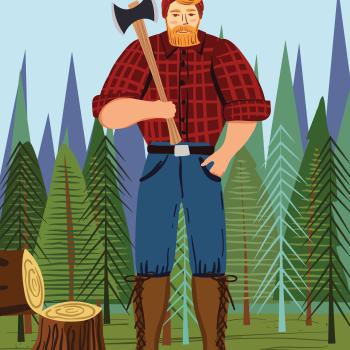
American Folklore: A Jigsaw Character Study
Groups of students read and discuss American folklore stories, each group reading a different story. Using a jigsaw strategy, the groups compare character traits and main plot points of the stories. A diverse selection of American folk tales is used for this lesson, which is adaptable to any text set.
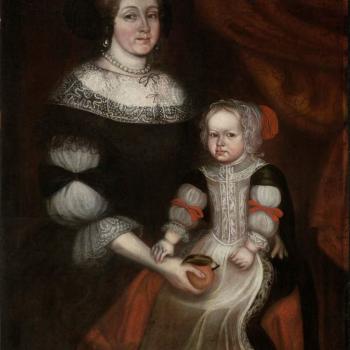
An Exploration of The Crucible through Seventeenth-Century Portraits
In this lesson, students incorporate analyses of characters from The Crucible with examinations of original seventeenth-century portraits of Puritans to create a visual portrait of the character. The project culminates in a "Portrait Gallery Walk" where students present and defend their artwork.
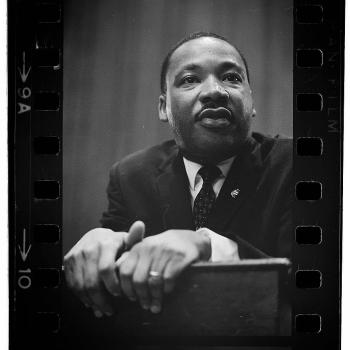
I Have a Dream: Exploring Nonviolence in Young Adult Texts
Students will identify how Martin Luther King Jr.'s dream of nonviolent conflict-resolution is reinterpreted in modern texts. Homework is differentiated to prompt discussion on how nonviolence is portrayed through characterization and conflict. Students will be formally assessed on a thesis essay that addresses the Six Kingian Principles of Nonviolence.

Utilizing Visual Images for Creating and Conveying Setting in Written Text
This lesson supports third-through-sixth grade students as they communicate story setting to their readers through the use of visual image prompts. Activities include individual and cooperative learning group work, as well as whole class discussion.

"America the Beautiful": Using Music and Art to Develop Vocabulary
Students engage in a rich study of vocabulary words from the song "America the Beautiful," using music and art.

Blurring Genre: Exploring Fiction and Nonfiction with Diary of a Worm
After reading several examples of how a published author incorporates facts in fiction writing, students research a topic of their choice and write fictional diary entries that incorporate factual information.
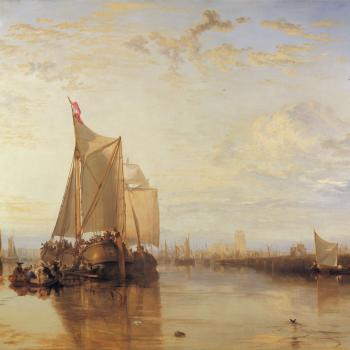
An Exploration of Romanticism Through Art and Poetry
Students use art and poetry to explore and understand major characteristics of the Romantic period.

Supporting Vocabulary Development with EASE
This lesson allows teachers to enrich students' oral and written vocabulary using the EASE sequence of instruction: Enunciate, Associate, Synthesize, and Emphasize the words you want students to use.

Book Report Alternative: Hooking a Reader with a Book Cover
Students select a book to read based only on its cover art. After reading the book, they use an interactive tool to create a new cover for it.

Judging a Book by its Cover: The Art and Imagery of The Great Gatsby
Students explore The Great Gatsby's allusion to art and its use of visual imagery and conclude their study by designing their own cover for the novel.
Finding the Science Behind Science Fiction through Paired Readings
Students read science fiction texts and then use nonfiction texts to extrapolate the scientific principles presented as they discuss the "what ifs" within the context of scientific principles.

Analyzing the Stylistic Choices of Political Cartoonists
Students explore and analyze the techniques that political (or editorial) cartoonists use and draw conclusions about why the cartoonists choose those techniques to communicate their messages.
The Comic Book Show and Tell
Students craft comic scripts using clear, descriptive, and detailed writing that shows (illustrates) and tells (directs). After peers create an artistic interpretation of the script, students revise their original scripts.