ReadWriteThink - Powered by NCTE
  • About
  • Classroom Resources
    • Lesson Plans
    • Teaching Comics
    • Teaching With Primary Resources
    • Calendar
    • Printouts
    • Student Interactives
  • Collections
    • Assessment
    • Authors
    • Booklists
    • Media Literacy
    • Poetry
    • Primary Sources
    • Writing
  • Professional Development
    • Strategy Guides
    • Professional Library
    • Meetings & Events
  • Join NCTE
  • Contact Us
  • About
  • Classroom Resources
    • Lesson Plans
    • Teaching Comics
    • Teaching With Primary Resources
    • Calendar
    • Printouts
    • Student Interactives
  • Collections
    • Assessment
    • Authors
    • Booklists
    • Media Literacy
    • Poetry
    • Primary Sources
    • Writing
  • Professional Development
    • Strategy Guides
    • Professional Library
    • Meetings & Events
  • Join NCTE
  • Contact Us
  • Facebook
  • Twitter
  • Instagram
  • Pinterest
  • YouTube

Breadcrumb

  1. Home

Type

  • Classroom Resources
  • Professional Development

Grades

  • 1 (93)
  • 2 (102)
  • 3 (189)
  • 4 (189)
  • 5 (214)
  • 6 (274)
  • 7 (265)
  • 8 (276)
  • 9 (313)
  • 10 (310)
  • 11 (302)
  • 12 (300)
  • K (78)

Learning Objectives

  • collaboration (197)
  • Comprehension (261)
  • critical thinking (295)
  • digital literacy (69)
  • Grammar (17)
  • inquiry / research (107)
  • listening (101)
  • literary analysis (246)
  • Media literacy (92)
  • metacognition (124)
  • multicultural awareness (57)
  • multimodal literacy (126)
  • oral communication (105)
  • phonological awareness (24)
  • print awareness (40)
  • reading fluency (37)
  • reading genres (178)
  • Spelling (20)
  • text structure / story structure (142)
  • Vocabulary (79)
  • writing genres (149)
  • writing process (169)

Topics

  • (-) arts
  • (-) fiction
  • careers
  • community
  • drama
  • ELL
  • Family
  • Mathematics
  • Mobile Learning
  • nonfiction
  • poetry
  • science
  • seasons / holidays
  • social action
  • social studies / history
  • Sports
  • STEM
Bringing Lessons to Life with Animoto
Grades
Grades
5 - 12
|
Strategy Guide
Bringing Lessons to Life with Animoto
Using Animoto, a free Web 2.0 tool, students can develop short digital videos that include music, photos, video clips, and text as well as share their creations electronically.

Speak to Me: Teaching with Voki
Grades
Grades
6 - 12
|
Strategy Guide
Speak to Me: Teaching with Voki
Through Voki, a Web 2.0 tool, students create customizable avatars for class presentations for various purposes, such as presenting biographical information, expressing an opinion, or reading a poem.
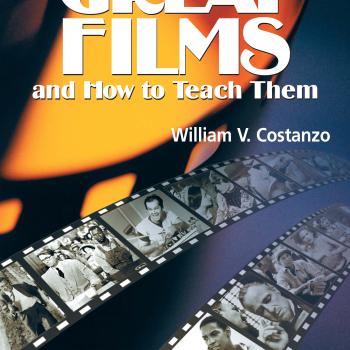
Great Films and How to Teach Them
Grades
9 - 12
|
Professional Library
|
Book
Great Films and How to Teach Them
Costanzo offers high school and college teachers an updated, expanded edition that contains 80% new material on teaching film, including study guides of 14 new film with relevant ways to engage their students through a medium that students know and love.
6 - 12

The Major Impact of Minor Characters in the Lives of Immigrant Heroes

Teaching Comics
9 - 12

Picture an American

Teaching Comics
Translating Poetry into Comics
9 - 12

From Verse to Visual: Translating Poetry into Comics

Teaching Comics
8 - 11

Connecting to the Past through Interviews: A Comics Project

Teaching Comics
6 - 12

Questions All Around: A Collection of Questions for Graphic Novel Stories from Great Immigrants, Great Americans

Teaching Comics
9 - 12

Dear Great Immigrant, Dear Great American Comic Letter

Teaching Comics
Tracking the Ways Writers Develop Heroes and Villains
Grades
9 - 12
|
Lesson Plan
|
Unit
Tracking the Ways Writers Develop Heroes and Villains
Everyone knows that Star Wars character Darth Vader is a villain. This lesson asks students to explore how they know such things about heroes and villains they encounter in texts.
Constructing New Understanding Through Choral Readings of Shakespeare
Grades
9 - 12
|
Lesson Plan
|
Standard Lesson
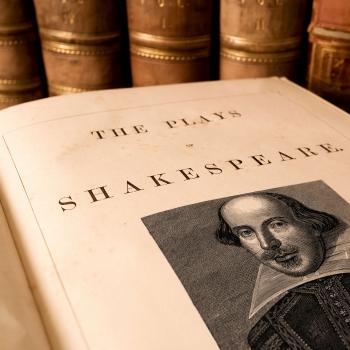
Constructing New Understanding Through Choral Readings of Shakespeare
After reading The Tempest or any other play by William Shakespeare, students work in small groups to plan, compose, and perform a choral reading based on a character or theme.
The Ten-Minute Play: Encouraging Original Response to Challenging Texts
Grades
9 - 12
|
Lesson Plan
|
Unit
The Ten-Minute Play: Encouraging Original Response to Challenging Texts
Students use both analytical and creative skills to adapt passages from a novel with significant internal dialogue and conflict, such as Toni Morrison's Beloved, into a ten-minute play.
The Importance of Titles: From Big Blank Space to Small Good Thing
Grades
9 - 12
|
Lesson Plan
|
Standard Lesson
The Importance of Titles: From Big Blank Space to Small Good Thing
After examining two sets of stories that author Raymond Carver renamed in revision, students write a reflective essay in which they defend their choice of a title for one them.
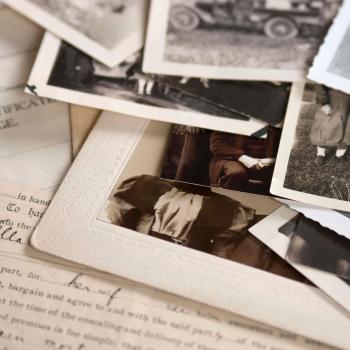
Rummaging for Fiction: Using Found Photographs and Notes to Spark Story Ideas
Grades
9 - 12
|
Lesson Plan
|
Standard Lesson
Rummaging for Fiction: Using Found Photographs and Notes to Spark Story Ideas
In this lesson, students use found notes and found photographs as inspiration to help them identify subjects, settings, characters, and conflicts for pieces of creative writing.

Cover to Cover: Comparing Books to Movies
Grades
6 - 8
|
Lesson Plan
|
Unit
Cover to Cover: Comparing Books to Movies
Students compare and analyze novels and the movies adapted from them. They design new DVD covers and a related insert for the movies, reflecting their response to the movie version.
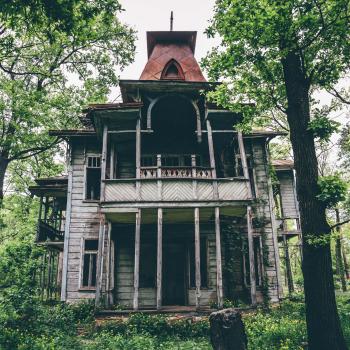
Exploring Setting: Constructing Character, Point of View, Atmosphere, and Theme
Grades
9 - 12
|
Lesson Plan
|
Standard Lesson
Exploring Setting: Constructing Character, Point of View, Atmosphere, and Theme
Students read texts by Dybek, Dickens, Poe, and Morrison to explore how authors use language to create setting and, in turn, how setting constructs other elements in a literary work.
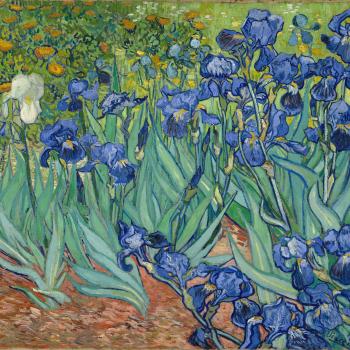
Ekphrasis: Using Art to Inspire Poetry
Grades
9 - 12
|
Lesson Plan
|
Unit
Ekphrasis: Using Art to Inspire Poetry

In this lesson, students explore ekphrasis—writing inspired by art. Students find pieces of art that inspire them and compose a booklet of poems about the pieces they have chosen.

Exploring Change through Allegory and Poetry
Grades
6 - 8
|
Lesson Plan
|
Standard Lesson
Exploring Change through Allegory and Poetry

Students read an example of allegory, review literary concepts, complete literary elements maps and plot diagrams, create a pictorial allegory, and write diamante poems related to the theme of change.

Designing Effective Poster Presentations
Grades
9 - 12
|
Lesson Plan
|
Unit
Designing Effective Poster Presentations
Students explore the genre of posters, review informational writing and visual design, and then design poster presentations to share in class or at a school-wide fair.
Creative Outlining-From Freewriting to Formalizing
Grades
9 - 12
|
Lesson Plan
|
Standard Lesson
Creative Outlining-From Freewriting to Formalizing
After reading a short story, students use freewriting as a catalyst for a literary analysis essay.

Pagination

  • First page « First
  • Previous page ‹‹
  • …
  • Page 11
  • Page 12
  • Page 13
  • Page 14
  • Page 15
  • Page 16
  • Page 17
  • Page 18
  • Page 19
  • …
  • Next page ››
  • Last page Last »

Explore Resources by Grade

  • KindergartenK
  • 1-2
  • 3-4
  • 5-6
  • 7-8
  • 9-10
  • 11-12

RWT-logo

Powered By NCTE

Footer 1 Menu

  • About
  • Classroom Resources
  • Professional Development
  • Collections
  • Contact Us

Footer 2 Menu

  • National Council of Teachers of English
  • Contribute to RWT
  • FAQs
  • Join NCTE

Footer 3 Menu

  • Legal Notices
  • Privacy Policy
  • Promotional Materials
  • Site Demonstrations

Want to stay in touch with RWT and NCTE? Sign up here!

  • Facebook
  • Twitter
  • Instagram
  • Pinterest
  • YouTube

© NCTE 2026. All rights reserved