ReadWriteThink - Powered by NCTE
  • About
  • Classroom Resources
    • Lesson Plans
    • Teaching Comics
    • Teaching With Primary Resources
    • Calendar
    • Printouts
    • Student Interactives
  • Collections
    • Assessment
    • Authors
    • Booklists
    • Media Literacy
    • Poetry
    • Primary Sources
    • Writing
  • Professional Development
    • Strategy Guides
    • Professional Library
    • Meetings & Events
  • Join NCTE
  • Contact Us
  • About
  • Classroom Resources
    • Lesson Plans
    • Teaching Comics
    • Teaching With Primary Resources
    • Calendar
    • Printouts
    • Student Interactives
  • Collections
    • Assessment
    • Authors
    • Booklists
    • Media Literacy
    • Poetry
    • Primary Sources
    • Writing
  • Professional Development
    • Strategy Guides
    • Professional Library
    • Meetings & Events
  • Join NCTE
  • Contact Us
  • Facebook
  • Twitter
  • Instagram
  • Pinterest
  • YouTube

Breadcrumb

  1. Home

Type

  • Classroom Resources
  • Professional Development

Grades

  • 1 (52)
  • 2 (57)
  • 3 (140)
  • 4 (150)
  • 5 (194)
  • 6 (231)
  • 7 (255)
  • 8 (262)
  • 9 (272)
  • 10 (269)
  • 11 (265)
  • 12 (265)
  • K (38)

Learning Objectives

  • collaboration (158)
  • Comprehension (164)
  • critical thinking (256)
  • digital literacy (49)
  • Grammar (19)
  • inquiry / research (160)
  • listening (65)
  • literary analysis (124)
  • Media literacy (79)
  • metacognition (123)
  • multicultural awareness (71)
  • multimodal literacy (80)
  • oral communication (89)
  • phonological awareness (13)
  • print awareness (31)
  • reading fluency (16)
  • reading genres (88)
  • Spelling (12)
  • text structure / story structure (60)
  • Vocabulary (55)
  • writing genres (150)
  • writing process (124)

Topics

  • (-) poetry
  • (-) social studies / history
  • arts
  • careers
  • community
  • drama
  • ELL
  • Family
  • fiction
  • Mathematics
  • Mobile Learning
  • nonfiction
  • science
  • seasons / holidays
  • social action
  • Sports
  • STEM
A Portrait of Our World: Making Connections and Developing Comprehension
Grades
6 - 8
|
Lesson Plan
|
Unit
A Portrait of Our World: Making Connections and Developing Comprehension

Students engage in carousel walks, character analyses, global explorations, and genre studies while using valuable language arts strategies to build higher-level comprehension skills.

Engineering the Perfect Poem by Using the Vocabulary of STEM
Grades
7 - 10
|
Lesson Plan
|
Standard Lesson
Engineering the Perfect Poem by Using the Vocabulary of STEM

Students research engineering careers and create poetry to understand the vocabulary of STEM (science, technology, engineering, and mathematics).

What is Poetry? Contrasting Poetry and Prose
Grades
6 - 8
|
Lesson Plan
|
Standard Lesson
What is Poetry? Contrasting Poetry and Prose

Students often find poetry frustrating and meaningless. By helping students think critically about the differences between poetry and prose, this introduction sets the stage for different strategies for comprehending poetic texts.

The Magic of Three: Techniques for the Writer's Craft
Grades
4 - 8
|
Lesson Plan
The Magic of Three: Techniques for the Writer's Craft
Students learn to use tricolons—a writer's technique of putting words and phrases into groups of threes—to add rhythm and power to their writing.
Lonely as a Cloud: Using Poetry to Understand Similes
Grades
4 - 8
|
Lesson Plan
|
Standard Lesson
Lonely as a Cloud: Using Poetry to Understand Similes
Students identify similes in poetry and gain experience in using similes as a poetic device in their own work.
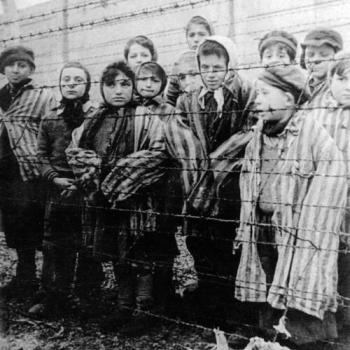
Using Technology to Analyze and Illustrate Symbolism in <em>Night</em>
Grades
6 - 8
|
Lesson Plan
|
Standard Lesson
Using Technology to Analyze and Illustrate Symbolism in Night
Images have power—they can trigger memories or symbolize abstract ideas. Students put the power of images to the test as they analyze symbolism in Night and create symbolic photomontages.
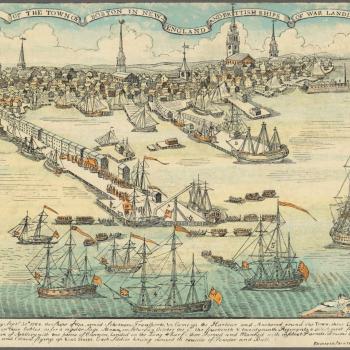
Learning About Research and Writing Using the American Revolution
Grades
3 - 5
|
Lesson Plan
|
Unit
Learning About Research and Writing Using the American Revolution
Students across the board will get a kick out of researching a historical figure from the American Revolution to create an acrostic poem.
Delicious, Tasty, Yummy: Enriching Writing with Adjectives and Synonyms
Grades
3 - 5
|
Lesson Plan
|
Standard Lesson
Delicious, Tasty, Yummy: Enriching Writing with Adjectives and Synonyms
Students thoroughly explore identifying synonyms and adjectives before using them to add variety and interest to their own writing.
Traveling the Road to Freedom Through Research and Historical Fiction
Grades
6 - 8
|
Lesson Plan
|
Unit
Traveling the Road to Freedom Through Research and Historical Fiction
Students learn how to walk a mile in someone else's shoes by reading historical fiction about the Underground Railroad.

Dancing Minds and Shouting Smiles: Teaching Personification Through Poetry
Grades
3 - 5
|
Lesson Plan
|
Standard Lesson
Dancing Minds and Shouting Smiles: Teaching Personification Through Poetry
Students learn about personification by reading and discussing poems and then brainstorm nouns and verbs to create personification in their own poems.

A Directed Listening-Thinking Activity for "The Tell-Tale Heart"
Grades
6 - 8
|
Lesson Plan
|
Standard Lesson
A Directed Listening-Thinking Activity for "The Tell-Tale Heart"
What's that sound? Students participate in a Directed Listening–Thinking Activity (DLTA) using "The Tell-Tale Heart," make predictions, and respond in the form of an acrostic poem or comic strip.
alligator
Grades
3 - 5
|
Lesson Plan
|
Standard Lesson
Alliteration All Around

Students learn about alliteration, and then practice using alliteration in acrostic poems, tongue twisters, alphabet books, and number books.

Poetry: Sound and Sense
Grades
9 - 12
|
Lesson Plan
|
Standard Lesson
Poetry: Sound and Sense
Students' groans about studying poetry may disappear with this lesson in which students read poetry from various writers and use these poems to examine the sounds and sense of language.
All About Alliteration: Responding to Literature Through a Poetry Link
Grades
3 - 5
|
Lesson Plan
|
Standard Lesson
All About Alliteration: Responding to Literature Through a Poetry Link

Studied students stupefy! Students learn about alliteration by listening to an alliterative read-aloud and apply the knowledge they gain to the creation of their own poem and illustration.
Dynamite Diamante Poetry
Grades
3 - 5
|
Lesson Plan
|
Standard Lesson
Dynamite Diamante Poetry

Introduce gerunds and review nouns, adjectives, and verbs through engaging read-alouds; then apply these concepts through collaborative word-sorting and poetry-writing activities.
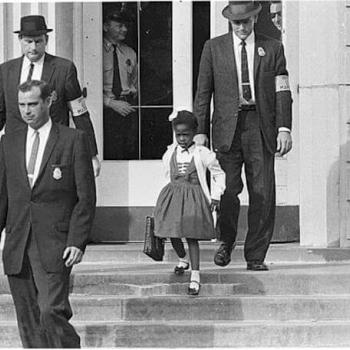
Seeing Integration From Different Viewpoints
Grades
6 - 8
|
Lesson Plan
|
Standard Lesson
Seeing Integration From Different Viewpoints
What does the world look like through someone else's eyes? Guide students in using colorful paper glasses to examine a story of school desegregation from multiple perspectives.

Building Classroom Community Through the Exploration of Acrostic Poetry
Grades
3 - 5
|
Lesson Plan
|
Standard Lesson
Building Classroom Community Through the Exploration of Acrostic Poetry

What do your students think about each other? Find out as you teach them the concepts of acrostic poems and challenge them to write an uplifting acrostic about a classmate.

Grades
6 - 8
|
Lesson Plan
|
Unit
Exploring and Sharing Family Stories
Writing gets personal when students interview family members in order to write a personal narrative about that person.

Theme Poems: Writing Extraordinary Poems About Ordinary Objects
Grades
3 - 5
|
Lesson Plan
|
Standard Lesson
Theme Poems: Writing Extraordinary Poems About Ordinary Objects

Students select a familiar object online, build a bank of words related to the object, and write theme poems that are printed and displayed in class.

Grades
3 - 5
|
Lesson Plan
|
Standard Lesson
Skimming and Scanning: Using Riddles to Practice Fact Finding Online
Students will learn to skim and scan to make sure they don't flounder when they're surfing the Internet for facts to help them complete riddles about the United States.

Pagination

  • First page « First
  • Previous page ‹‹
  • …
  • Page 10
  • Page 11
  • Page 12
  • Page 13
  • Page 14
  • Page 15
  • Page 16
  • Page 17
  • Page 18
  • …
  • Next page ››
  • Last page Last »

Explore Resources by Grade

  • KindergartenK
  • 1-2
  • 3-4
  • 5-6
  • 7-8
  • 9-10
  • 11-12

RWT-logo

Powered By NCTE

Footer 1 Menu

  • About
  • Classroom Resources
  • Professional Development
  • Collections
  • Contact Us

Footer 2 Menu

  • National Council of Teachers of English
  • Contribute to RWT
  • FAQs
  • Join NCTE

Footer 3 Menu

  • Legal Notices
  • Privacy Policy
  • Promotional Materials
  • Site Demonstrations

Want to stay in touch with RWT and NCTE? Sign up here!

  • Facebook
  • Twitter
  • Instagram
  • Pinterest
  • YouTube

© NCTE 2026. All rights reserved