ReadWriteThink - Powered by NCTE
  • About
  • Classroom Resources
    • Lesson Plans
    • Teaching Comics
    • Teaching With Primary Resources
    • Calendar
    • Printouts
    • Student Interactives
  • Collections
    • Assessment
    • Authors
    • Booklists
    • Media Literacy
    • Poetry
    • Primary Sources
    • Writing
  • Professional Development
    • Strategy Guides
    • Professional Library
    • Meetings & Events
  • Join NCTE
  • Contact Us
  • About
  • Classroom Resources
    • Lesson Plans
    • Teaching Comics
    • Teaching With Primary Resources
    • Calendar
    • Printouts
    • Student Interactives
  • Collections
    • Assessment
    • Authors
    • Booklists
    • Media Literacy
    • Poetry
    • Primary Sources
    • Writing
  • Professional Development
    • Strategy Guides
    • Professional Library
    • Meetings & Events
  • Join NCTE
  • Contact Us
  • Facebook
  • Twitter
  • Instagram
  • Pinterest
  • YouTube

Breadcrumb

  1. Home

Type

  • Classroom Resources
  • Professional Development

Grades

  • 1 (35)
  • 2 (37)
  • 3 (70)
  • 4 (74)
  • 5 (88)
  • 6 (99)
  • 7 (109)
  • 8 (117)
  • 9 (114)
  • 10 (107)
  • 11 (106)
  • 12 (106)
  • K (26)

Learning Objectives

  • collaboration (61)
  • Comprehension (68)
  • critical thinking (76)
  • digital literacy (26)
  • Grammar (15)
  • inquiry / research (44)
  • listening (34)
  • literary analysis (67)
  • Media literacy (16)
  • metacognition (45)
  • multicultural awareness (19)
  • multimodal literacy (33)
  • oral communication (34)
  • phonological awareness (11)
  • print awareness (12)
  • reading fluency (11)
  • reading genres (39)
  • Spelling (11)
  • text structure / story structure (30)
  • Vocabulary (42)
  • writing genres (87)
  • writing process (72)

Topics

  • (-) poetry
  • (-) STEM
  • arts
  • careers
  • community
  • drama
  • ELL
  • Family
  • fiction
  • Mathematics
  • Mobile Learning
  • nonfiction
  • science
  • seasons / holidays
  • social action
  • social studies / history
  • Sports
Create a Great Future: STEM Career Research Using Close Reading
Grades
6 - 12
|
Lesson Plan
|
Minilesson
Create a Great Future: STEM Career Research Using Close Reading
What if students could see the relevance of their school curriculum to real-world, interesting, STEM-related careers? Let's help them create a great future!

Finding Solutions to Food Waste: Persuasion in a Digital World
Grades
7 - 9
|
Lesson Plan
|
Unit
Finding Solutions to Food Waste: Persuasion in a Digital World
Using various reading strategies and resources, students explore the issue of food waste. They also create persuasive arguments and blog posts examining this topic.
Inspire Healthful Reading Using Unconventional Texts
Grades
K - 2
|
Lesson Plan
|
Minilesson
Inspire Healthful Reading Using Unconventional Texts
This minilesson encourages children to seek out and appropriately react to nutrition labels and to make healthy food choices, integrating science, math, health, and literacy.

Engineering the Perfect Poem by Using the Vocabulary of STEM
Grades
7 - 10
|
Lesson Plan
|
Standard Lesson
Engineering the Perfect Poem by Using the Vocabulary of STEM

Students research engineering careers and create poetry to understand the vocabulary of STEM (science, technology, engineering, and mathematics).

What is Poetry? Contrasting Poetry and Prose
Grades
6 - 8
|
Lesson Plan
|
Standard Lesson
What is Poetry? Contrasting Poetry and Prose

Students often find poetry frustrating and meaningless. By helping students think critically about the differences between poetry and prose, this introduction sets the stage for different strategies for comprehending poetic texts.

Lonely as a Cloud: Using Poetry to Understand Similes
Grades
4 - 8
|
Lesson Plan
|
Standard Lesson
Lonely as a Cloud: Using Poetry to Understand Similes
Students identify similes in poetry and gain experience in using similes as a poetic device in their own work.
Delicious, Tasty, Yummy: Enriching Writing with Adjectives and Synonyms
Grades
3 - 5
|
Lesson Plan
|
Standard Lesson
Delicious, Tasty, Yummy: Enriching Writing with Adjectives and Synonyms
Students thoroughly explore identifying synonyms and adjectives before using them to add variety and interest to their own writing.

Dancing Minds and Shouting Smiles: Teaching Personification Through Poetry
Grades
3 - 5
|
Lesson Plan
|
Standard Lesson
Dancing Minds and Shouting Smiles: Teaching Personification Through Poetry
Students learn about personification by reading and discussing poems and then brainstorm nouns and verbs to create personification in their own poems.

A Directed Listening-Thinking Activity for "The Tell-Tale Heart"
Grades
6 - 8
|
Lesson Plan
|
Standard Lesson
A Directed Listening-Thinking Activity for "The Tell-Tale Heart"
What's that sound? Students participate in a Directed Listening–Thinking Activity (DLTA) using "The Tell-Tale Heart," make predictions, and respond in the form of an acrostic poem or comic strip.
alligator
Grades
3 - 5
|
Lesson Plan
|
Standard Lesson
Alliteration All Around

Students learn about alliteration, and then practice using alliteration in acrostic poems, tongue twisters, alphabet books, and number books.

Poetry: Sound and Sense
Grades
9 - 12
|
Lesson Plan
|
Standard Lesson
Poetry: Sound and Sense
Students' groans about studying poetry may disappear with this lesson in which students read poetry from various writers and use these poems to examine the sounds and sense of language.
All About Alliteration: Responding to Literature Through a Poetry Link
Grades
3 - 5
|
Lesson Plan
|
Standard Lesson
All About Alliteration: Responding to Literature Through a Poetry Link

Studied students stupefy! Students learn about alliteration by listening to an alliterative read-aloud and apply the knowledge they gain to the creation of their own poem and illustration.
Dynamite Diamante Poetry
Grades
3 - 5
|
Lesson Plan
|
Standard Lesson
Dynamite Diamante Poetry

Introduce gerunds and review nouns, adjectives, and verbs through engaging read-alouds; then apply these concepts through collaborative word-sorting and poetry-writing activities.

Building Classroom Community Through the Exploration of Acrostic Poetry
Grades
3 - 5
|
Lesson Plan
|
Standard Lesson
Building Classroom Community Through the Exploration of Acrostic Poetry

What do your students think about each other? Find out as you teach them the concepts of acrostic poems and challenge them to write an uplifting acrostic about a classmate.

Theme Poems: Writing Extraordinary Poems About Ordinary Objects
Grades
3 - 5
|
Lesson Plan
|
Standard Lesson
Theme Poems: Writing Extraordinary Poems About Ordinary Objects

Students select a familiar object online, build a bank of words related to the object, and write theme poems that are printed and displayed in class.
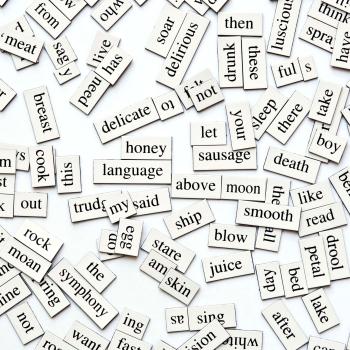
The Magnetism of Language: Parts of Speech, Poetry, and Word Play
Grades
6 - 8
|
Lesson Plan
|
Standard Lesson
The Magnetism of Language: Parts of Speech, Poetry, and Word Play
What wonderful ways words work! The parts of speech are the highlight of this lesson in which students identify parts of speech in a nonsensical poem and then create their own wild and wacky rhymes.
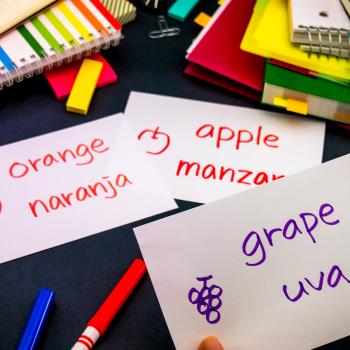
Let's Read It Again: Comprehension Strategies for English-Language Learners
Grades
K - 2
|
Lesson Plan
|
Standard Lesson
Let's Read It Again: Comprehension Strategies for English-Language Learners
Help Spanish-speaking English-language learners unlock the mysteries of their new language by using a bilingual book to recognize unfamiliar words and construct meaning from the text.
Zines for Kids: Multigenre Texts About Media Icons
Grades
3 - 5
|
Lesson Plan
|
Unit
Zines for Kids: Multigenre Texts About Media Icons
Special edition! Students use ReadWriteThink tools to create magazines about prominent figures using a variety of writing genres and styles.
Phonic Generalizations in <em>Chrysanthemum</em>
Grades
K - 2
|
Lesson Plan
|
Minilesson
Phonic Generalizations in Chrysanthemum
Students learn about word families by reading Kevin Henkes's book Chrysanthemum, identifying words with certain vowel pair endings, and reading words with similar endings.
Whole-to-Parts Phonics Instruction: Teaching Letter-Sound Correspondences
Grades
K - 2
|
Lesson Plan
|
Standard Lesson
Whole-to-Parts Phonics Instruction: Teaching Letter-Sound Correspondences
Students will find that learning onset and rime is a handy skill when they read the Jack and Jill rhyme.

Pagination

  • First page « First
  • Previous page ‹‹
  • …
  • Page 3
  • Page 4
  • Page 5
  • Page 6
  • Page 7
  • Page 8
  • Page 9
  • Page 10
  • Page 11
  • Next page ››
  • Last page Last »

Explore Resources by Grade

  • KindergartenK
  • 1-2
  • 3-4
  • 5-6
  • 7-8
  • 9-10
  • 11-12

RWT-logo

Powered By NCTE

Footer 1 Menu

  • About
  • Classroom Resources
  • Professional Development
  • Collections
  • Contact Us

Footer 2 Menu

  • National Council of Teachers of English
  • Contribute to RWT
  • FAQs
  • Join NCTE

Footer 3 Menu

  • Legal Notices
  • Privacy Policy
  • Promotional Materials
  • Site Demonstrations

Want to stay in touch with RWT and NCTE? Sign up here!

  • Facebook
  • Twitter
  • Instagram
  • Pinterest
  • YouTube

© NCTE 2026. All rights reserved