The sense of curiosity behind research writing gets lost in some school-based assignments. This Strategy Guide provides the foundation for cultivating interest and authority through I-Search writing, including publishing online.

Promoting Student-Directed Inquiry with the I-Search Paper

Inquiry Charts (I-Charts)
This guide introduces I-Charts, a strategy that enables students to generate meaningful questions about a topic and organize their writing.

Question the Author (QtA)
In this guide, you'll be introduced to a strategy that requires students to challenge their understanding and solidify their knowledge while reading a text.

Exit Slips
This strategy guide introduces the concept of using Exit Slips in the classroom to help students reflect on what they have learned and express what or how they are thinking about the new information. Exit Slips easily incorporate writing into the content area classroom and require students to think critically.

Power Notes
The strategy examined in this Strategy Guide teaches students an outlining technique to help them differentiate between main ideas and details in their reading and writing.
Code of Best Practices in Fair Use for Media Literacy Education
This document is a code of best practices that helps educators using media literacy concepts and techniques to interpret the copyright doctrine of fair use.
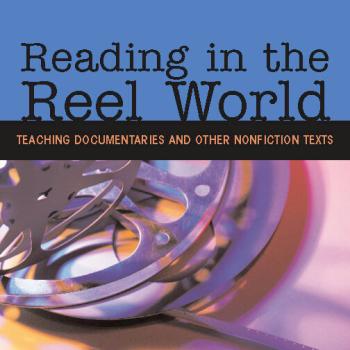
Reading in the Reel World: Teaching Documentaries and Other Nonfiction Texts
John Golden offers middle and high school teachers a practical guide for using documentary film in the classroom to improve students' reading, writing, and thinking skills.


Weekly Writer's Blogs: Building a Reflective Community of Support
Students explore the conventions of blog writing while using it to self-reflect on their writing and communicate with classmates about each other's reflections.
Having My Say: A Multigenre Autobiography Project
Students compose a multigenre paper, modeled after the Delany sister's autobiography, Having Our Say, that includes the autobiographical narrative essay as well as an informational nonfiction piece.

Writing Technical Instructions
Students walk through the process of creating technical instructions by analyzing existing instructions, choosing an audience, writing their own instructions, receiving user feedback, and then revising and publishing their instructions.

Beyond "What I Did on Vacation": Exploring the Genre of Travel Writing
After reading and analyzing short examples of travel writing and discussing conventions of the genre, students write their own travel articles.
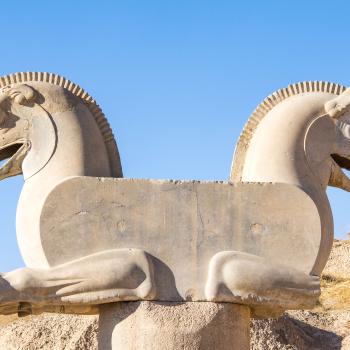
Gaining Background for the Graphic Novel Persepolis: A WebQuest on Iran
To prepare students for reading the graphic novel Persepolis, this lesson uses a WebQuest to focus students' research on finding reliable information about Iran before and during the Islamic Revolution.